Fat, Sugar, Salt Warnings In Red Boxes: Regulator's Latest Weapon Against Unhealthy Foods
Source Entity
NDTV News Search Records Found 1000
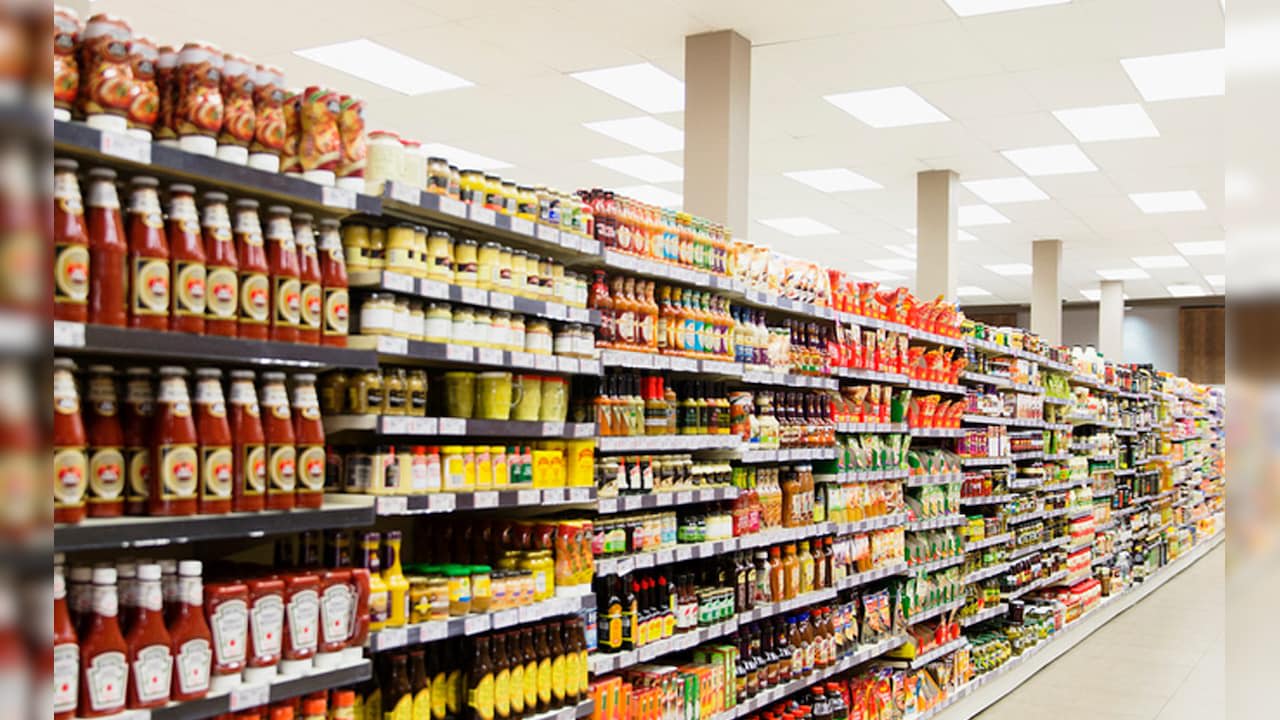
The FSSAI has proposed mandatory red hexagonal warning labels for packaged foods high in sugar, fat, or salt to combat rising obesity. This policy shift follows sustained pressure from the Supreme Court and public health advocates to improve nutritional transparency.
A Paradigm Shift in Indian Food Labeling
The Food Safety and Standards Authority of India (FSSAI) has initiated a significant regulatory pivot by proposing front-of-pack (FOP) red hexagonal warning labels for packaged food products. This decision marks a departure from the regulator’s previous stance and comes in direct response to mounting public pressure and judicial intervention. By mandating clear visual indicators for products high in saturated fat, sugar, or salt, the FSSAI aims to align India’s food safety standards with global best practices designed to combat the rising tide of non-communicable diseases.
The Catalyst: Judicial and Public Pressure
This policy shift follows a sharp rebuke from the Supreme Court, which recently questioned the regulator’s reluctance to implement stricter warning labels. For years, activists have campaigned for more transparent labeling, citing the urgent need to curb the consumption of ultra-processed foods. The court’s intervention has effectively forced the FSSAI to prioritize public health over the long-standing objections of industry giants like Coca-Cola, Nestle, and PepsiCo, who have historically argued that such labels would confuse consumers.
The Looming Health Crisis
The urgency behind this proposal is underscored by sobering public health data. A recent study published in The Lancet projects that approximately 450 million Indians could be overweight or obese by 2050. This demographic shift represents a massive burden on the national healthcare infrastructure. By implementing these warning labels, the FSSAI hopes to empower consumers to make informed dietary choices, specifically targeting children and vulnerable populations who are most susceptible to the long-term health impacts of high-sugar, high-fat diets.
Impact on the $100 Billion Market
India’s packaged food market is valued at over $100 billion, making this regulatory change a major financial and operational challenge for major manufacturers. The proposed red hexagonal warnings are designed to be impossible to ignore, potentially altering purchasing behaviors at the point of sale. While the FSSAI has indicated that some product categories may be granted exemptions, the move signals a broader transition toward a more health-conscious regulatory environment that could redefine product formulations across the industry.
Future Trends and Implementation
As the regulator moves forward, the focus will shift toward the specific thresholds of nutrient content that will trigger these warnings. The proposal envisions using thresholds aligned with the Dietary Guidelines for India to determine which products require the red label. The ultimate success of this policy will depend on the stringency of enforcement and the industry's ability to reformulate products to meet healthier standards. If successful, this initiative could serve as a model for other developing nations grappling with the rapid transition toward processed food consumption.
Verification Required?