Fujifilm’s Instax Pal 2 is a tiny digital camera that may not disappoint
Source Entity
Andrew Liszewski
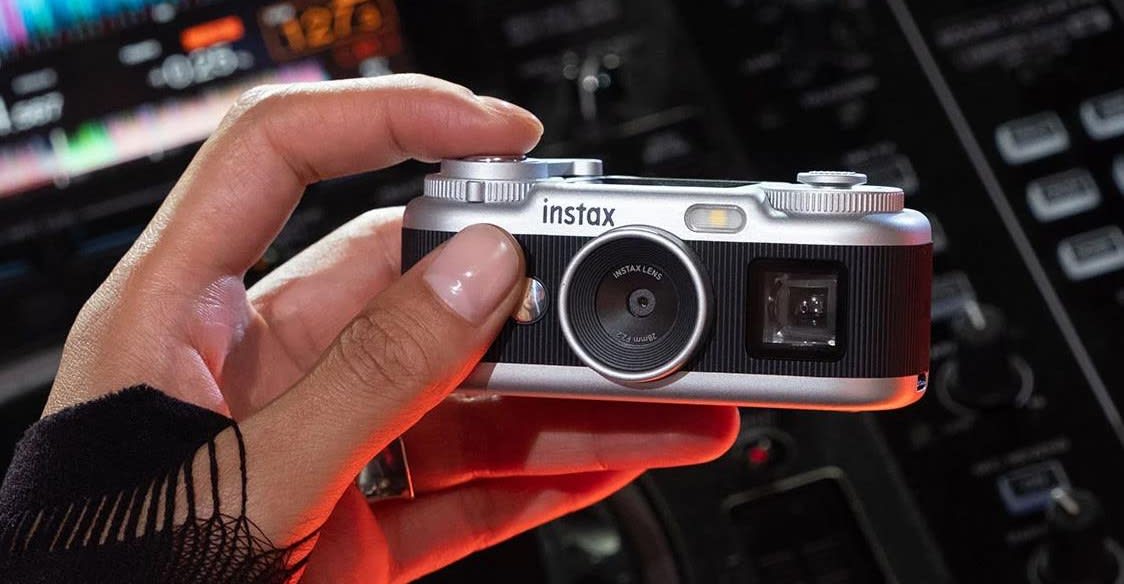
Fujifilm and Canon have unveiled new camera models, with the Instax Pal 2 offering a compact digital experience and the EOS R8 Mark II introducing long-awaited stabilization. These releases reflect a broader industry trend toward balancing portability with professional-grade features.
The Evolution of Compact and Full-Frame Photography
The landscape of digital photography is undergoing a significant shift as manufacturers like Fujifilm and Canon refine their hardware to meet diverse user needs. Fujifilm’s introduction of the Instax Pal 2 and Canon’s launch of the EOS R8 Mark II highlight two distinct market trajectories: the resurgence of novelty-driven, highly portable digital imaging and the democratization of advanced full-frame sensor technology.
Fujifilm’s Play for the Casual Market
Fujifilm’s decision to follow up on the original Instax Pal—a device originally noted for its lack of a viewfinder or screen—with the Instax Pal 2 marks a pivot toward usability. By incorporating a 1.3-inch LCD screen and an optical viewfinder, the company is addressing the core criticisms of its predecessor. The aesthetic shift toward a miniaturized analog camera design suggests that Fujifilm is leveraging the 'retro-tech' trend to entice younger photographers who value style as much as function.
Canon’s Strategic Stabilization Upgrade
Canon’s announcement of the EOS R8 Mark II addresses a critical gap identified in the 2023 original model. The inclusion of in-body image stabilization (IBIS) is a major hardware milestone for the lightweight full-frame category. While the addition of stabilization has slightly increased the weight to 1.2 pounds, the trade-off remains favorable for users seeking a more affordable alternative to the R6 Mark III without sacrificing the stability required for high-quality handheld shooting.
Balancing Accessibility and Performance
Both companies are navigating the challenge of offering professional features at accessible price points. The EOS R8 Mark II, priced at $1,899, serves as a bridge for enthusiasts who want professional-grade full-frame performance without the bulk or cost of flagship series. Meanwhile, the Instax Pal 2 continues to occupy the 'fun' niche, attempting to prove that small-format digital cameras can provide decent image quality while maintaining a pocket-friendly form factor.
Future Trends in Camera Design
Looking ahead, these releases indicate that the camera industry is no longer solely focused on raw resolution. Instead, the focus has shifted toward ergonomics, weight reduction, and the 'experience' of photography. As software and sensor tech plateau, manufacturers are differentiating their products through hardware refinements—such as retro-inspired designs or the integration of stabilization into smaller bodies—to maintain relevance in an era dominated by smartphone photography.
Conclusion
Whether catering to the casual social media user or the aspiring enthusiast, Fujifilm and Canon are successfully iterating on their existing product lines. By responding to specific consumer feedback—such as the demand for viewfinders in digital point-and-shoots and stabilization in entry-level full-frame cameras—both brands are ensuring that dedicated cameras remain a vital component of the modern creative toolkit.