Furifont, a Japanese font that shows furigana
Source Entity
Hacker News
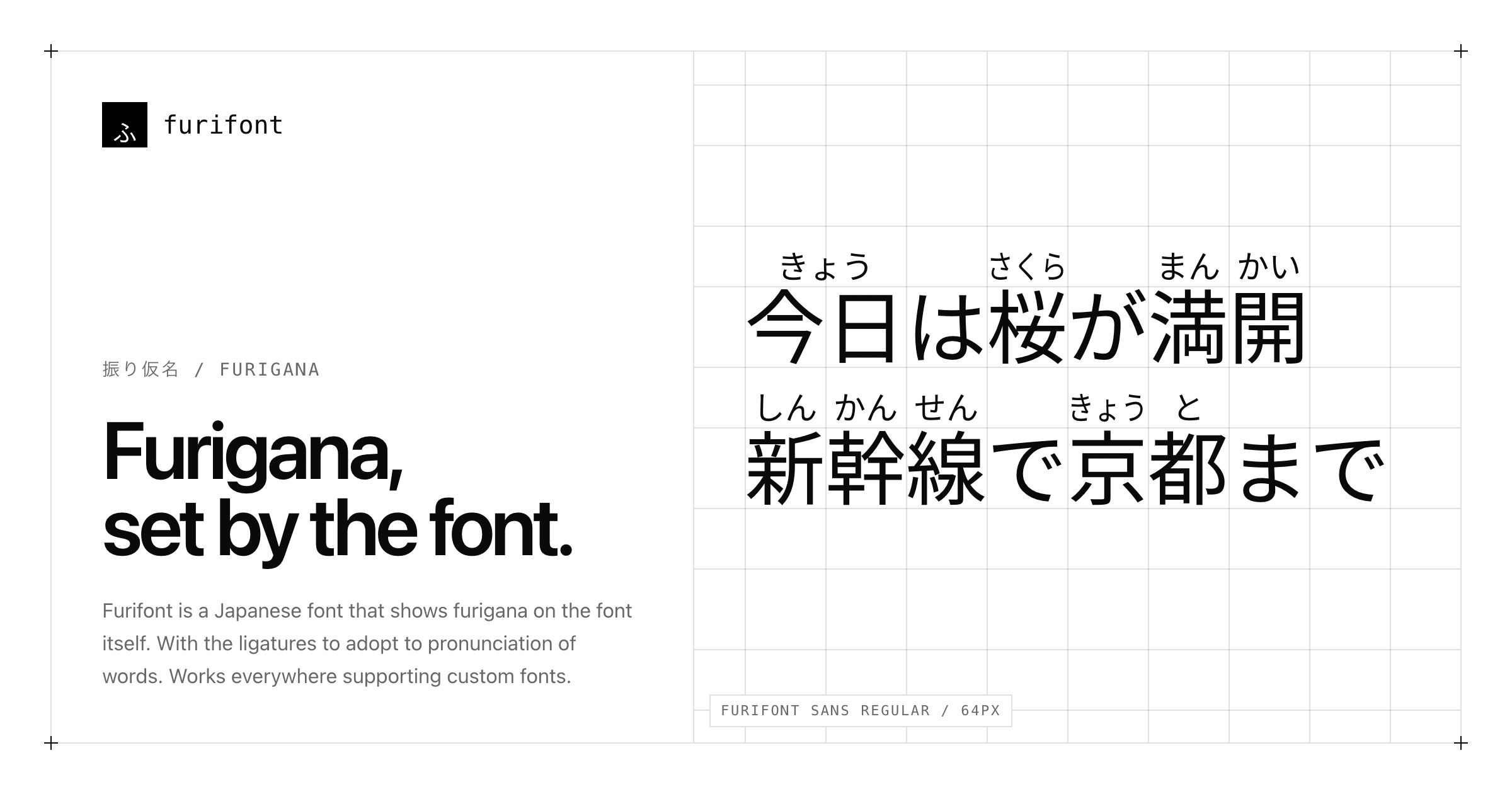
Furifont is a specialized Japanese typeface designed to automatically display furigana above kanji characters. This innovation streamlines digital reading for learners and accessibility-focused users by integrating phonetic guides directly into font typography.
The Innovation of Furifont: Revolutionizing Japanese Typography
Bridging the Literacy Gap
Furifont represents a significant shift in how digital Japanese content is rendered, specifically addressing the persistent challenge of reading kanji. By automating the display of furigana—the small hiragana characters placed above kanji to indicate pronunciation—this font removes the manual overhead typically associated with typesetting educational or accessible materials. For students and non-native speakers, this development is a transformative tool that lowers the barrier to entry for complex Japanese texts.
Technical Mechanics and Font Design
Unlike traditional methods that require complex HTML/CSS ruby tags or manual intervention, Furifont embeds the phonetic information directly into the typeface architecture. This approach ensures that the reading guide is always aligned correctly with the character, regardless of the platform or device being used. By integrating these phonetics at the font level, the developers have created a more stable and aesthetically consistent user experience, preventing the common formatting errors found in standard web-based ruby implementations.
Educational and Accessibility Implications
Beyond general use, Furifont serves as a critical accessibility tool. For individuals with learning disabilities or those who struggle with kanji recognition, the constant presence of furigana acts as a vital cognitive scaffold. The widespread adoption of such a font could fundamentally change how digital literature, news, and academic papers are distributed in Japan, ensuring that information remains accessible to a broader demographic without requiring expensive or time-consuming document reformatting.
Broader Trends in Linguistic Computing
This project sits at the intersection of typography and natural language processing. As digital interfaces evolve, there is a growing demand for 'intelligent' fonts that adapt to the reader's needs. Furifont is a prime example of how typography can move beyond mere aesthetics to become a functional component of the information delivery system, potentially paving the way for similar phonetic-integrated fonts in other logographic languages like Chinese.
Future Outlook and Challenges
The future of Furifont will depend on its ability to handle complex kanji compounds and varying readings, as Japanese is highly context-dependent. As the font evolves, it will likely require deep integration with dictionary databases to ensure accurate pronunciation mapping. Should it successfully solve these technical hurdles, Furifont could become the industry standard for digital publishing, education, and user interface design across the Japanese-speaking world, marking a new era in digital literacy.