G7 Nations To Release 100 Million Barrels Of Oil Amid Fuel Price Surge
Source Entity
NDTV News Search Records Found 1000
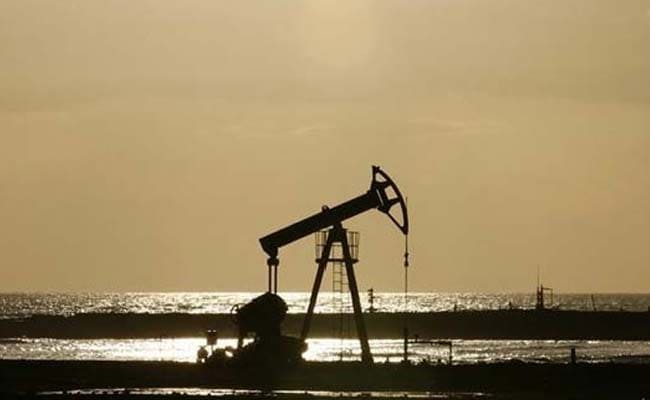
G7 nations have agreed to release 100 million barrels of oil and diesel reserves to combat surging fuel prices. This coordinated action, following pressure from the Trump administration, has caused oil prices to drop by over 3%.
Global Energy Markets React to Coordinated Reserve Release
Global energy markets experienced significant volatility this week as Brent crude fell below the $100 per barrel mark, dropping over 3% following reports of a coordinated international effort to increase fuel supply. This shift in market sentiment is driven by a landmark agreement among G7 nations to release 100 million barrels of oil from strategic reserves over the next four months. This intervention is designed to counteract the aggressive surge in diesel prices that has threatened economic stability amid the ongoing conflict with Iran.
The Geopolitical Drivers of the Decision
The decision to tap into strategic stockpiles follows intense diplomatic pressure from the Trump administration, which had previously threatened to implement a ban on diesel exports to Europe. By leveraging the threat of export restrictions, the U.S. successfully urged European Union member states to address the supply shortage. Reports indicate that France played a central role in proposing the diesel reserve release, which has now been adopted as a unified G7 strategy to stabilize the global supply chain.
Operationalizing the Strategic Reserve
The International Energy Agency (IEA) is tasked with coordinating the release, which is intended to begin immediately. A critical component of this strategy is the "frontloading" of a substantial portion of diesel supplies within the first 20 days. This rapid deployment of resources is aimed at providing immediate relief to a market that has seen diesel prices climb to record highs, impacting both domestic consumers and industrial logistics chains.
Impact on Market Prices
The immediate market reaction has been sharp, with U.S. West Texas Intermediate (WTI) futures falling 4% to $89.18 per barrel, while Brent crude dropped to $99.13. This correction reflects the market's anticipation of increased supply, which typically serves as a cooling mechanism for inflationary pressures on energy commodities. The drop in prices is a direct response to the announcement that 100 million barrels will enter the market, effectively signaling that major economies are willing to utilize their emergency buffers to temper price volatility.
Broader Implications and Future Trends
This event underscores the fragility of global energy security in the face of geopolitical conflicts, such as the war with Iran. The reliance on strategic reserves highlights a shift toward more interventionist energy policies, where governments are increasingly active in managing supply-side shocks. Looking forward, the success of this four-month release program will likely be measured by its ability to sustain lower prices while the global economy navigates the uncertainty of energy-intensive conflicts. If successful, this coordinated G7 approach may become a standard template for managing future energy crises.
Multiple Citing Sources
Verification Required?