Self-immolation of 25-yr-old sparks anger against Balen govt, protests planned in Nepal
Source Entity
Yubraj Ghimire
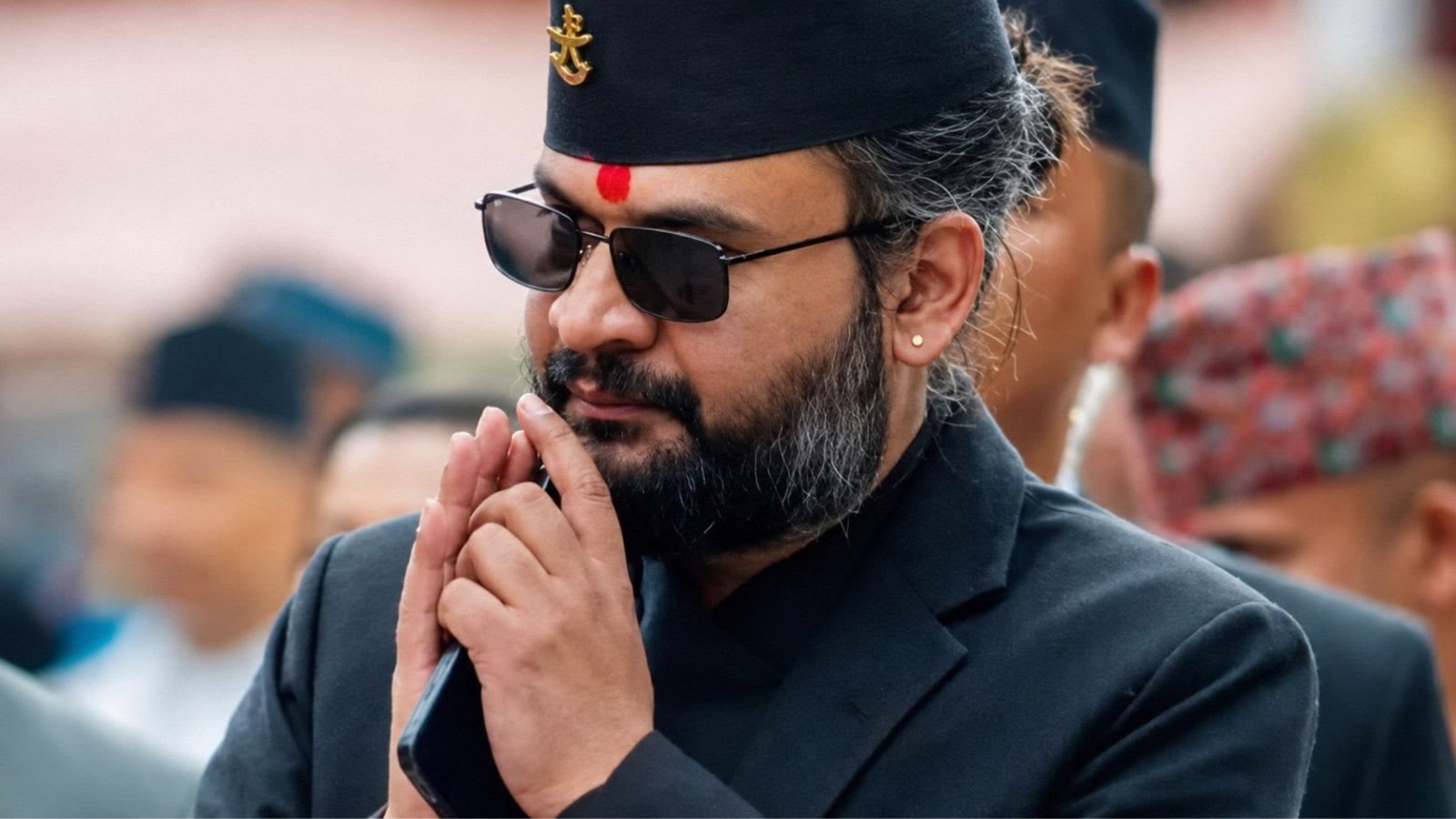
Ganesh Nepali’s mortal remains were on Monday consigned to flames at Aryaghat on the bank of the Bagmati River, two days after he succumbed to injuries that he inflicted upon himself, The incident has...
Tragedy and Turmoil: The Self-Immolation of Ganesh Nepali
The recent death of 25-year-old Ganesh Nepali has sent shockwaves through Nepal, transforming a personal tragedy into a potent political symbol. After succumbing to severe injuries sustained from self-immolation, Nepali's remains were consigned to flames at Aryaghat on the banks of the Bagmati River. This extreme act of desperation was not an isolated incident of mental distress but was explicitly framed as a protest against the governance of Kathmandu Mayor Balen Shah. The event has rapidly evolved from a local tragedy into a catalyst for planned protests, highlighting a deep-seated volatility in the relationship between the city's administration and a segment of its disillusioned youth.
The Political Context of Balen Shah's Administration
To understand why a young man would resort to such a drastic measure, one must examine the polarized nature of Mayor Balen Shah's tenure. Balen, a rapper and structural engineer, entered politics as an independent, promising a radical departure from the traditional bureaucratic inefficiency of Kathmandu. While many praise his aggressive stance on urban planning, waste management, and the removal of illegal structures, his methods have often been viewed as authoritarian or disruptive by others. The friction between his 'disruptor' approach and the established political order has created a high-tension environment where grievances are often aired through public confrontation rather than institutional dialogue.
Analyzing the Act of Self-Immolation as Political Protest
Self-immolation is an extreme form of political communication, typically used when an individual feels that all other avenues of grievance—legal, political, and social—have been exhausted. In the case of Ganesh Nepali, the act serves as a visceral indictment of the current administration's perceived failures or injustices. This form of protest is designed to shock the conscience of the public and the state, forcing a conversation on the human cost of governance. The fact that a 25-year-old felt this was the only viable path suggests a profound sense of hopelessness and a perceived lack of accountability within the local government's framework.
Potential for Escalation and Civil Unrest
The aftermath of Nepali's death has already manifested in planned protests, indicating that his act has resonated with others who harbor grievances against the Balen government. In the volatile political landscape of Nepal, such events are frequently leveraged by opposition parties and activist groups to mobilize the masses. There is a significant risk that these protests could escalate from peaceful demonstrations into wider civil unrest if the administration fails to address the underlying anger. The focus is no longer just on the specific grievances of one individual, but on the broader legitimacy and empathy of the Mayor's leadership style.
Broader Implications for Urban Governance in Nepal
This event underscores the precarious balance between efficient urban reform and inclusive governance. While the drive for a 'cleaner' and 'more organized' Kathmandu is a popular goal, the process of achieving it can lead to the marginalization of vulnerable populations. When administrative actions are perceived as lacking transparency or compassion, they can alienate the very citizens they aim to serve. The tragedy of Ganesh Nepali highlights the urgent need for the Kathmandu Metropolitan City government to implement more robust mechanisms for public grievance redressal to ensure that desperation does not lead to further loss of life.
Conclusion: A Call for Dialogue and Stability
In summary, the self-immolation of Ganesh Nepali is a grim reminder of the stakes involved in local governance. The transition from mourning at Aryaghat to planned protests in the streets signals a dangerous trajectory of escalation. For the Balen administration, this moment represents a critical juncture: it must decide whether to double down on its current trajectory or pivot toward a more empathetic, communicative approach to governance. Unless there is a concerted effort to bridge the gap between the city's leadership and its most frustrated citizens, the anger sparked by this tragedy may continue to fuel instability in the heart of the capital.