'No French players in France ': Ex-Spain PM's remark sparks racism row
Source Entity
TOI SPORTS DESK
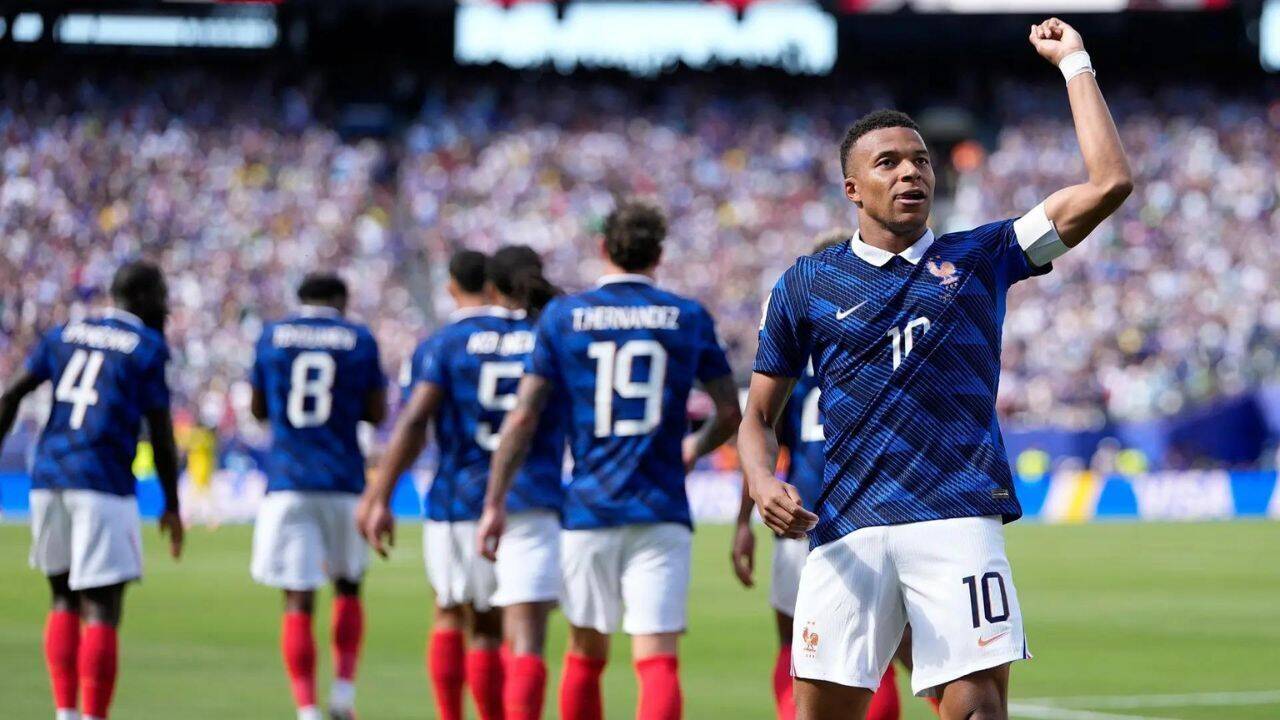
Former Spanish Prime Minister Mariano Rajoy sparked outrage after saying France's football team had "no French players" ahead of the World Cup semi-final. Leaders in Spain and France condemned the remarks as xenophobic and racist. France defended the diversity of its national team, stressing all players are French citizens and should be judged by talent, not their background.
The Intersection of Nationalism and Sport: Analyzing the Rajoy Controversy
The intersection of sports and politics often produces volatile moments, but few are as inflammatory as those targeting national identity. The controversy surrounding former Spanish Prime Minister Mariano Rajoy's comments regarding the French national football team highlights the fragility of multiculturalism in the face of nationalist rhetoric. By claiming that France's team had "no French players" ahead of a high-stakes World Cup semi-final, Rajoy transformed a sporting rivalry into a diplomatic crisis, sparking an international debate on racism, citizenship, and the definition of national belonging.
The Catalyst: A Reductive Assertion
The spark for this row was a singular, reductive statement. Rajoy's assertion focused on the ethnic diversity of the French squad, implying that players of immigrant descent—regardless of their citizenship or birthright—could not be considered "truly" French. This remark was not merely a slip of the tongue but was perceived as a calculated attack on the legitimacy of the players' national identity. The timing, immediately preceding a semi-final match, amplified the impact, as the eyes of the world were on both nations, turning a moment of athletic competition into a flashpoint for xenophobic discourse.
The Context of French National Identity
To understand why these remarks were so damaging, one must look at the historical context of the French national team. Since the 1998 World Cup victory, the "Black-Blanc-Beur" (Black, White, Arab) identity has been a symbol of French integration and a beacon of hope for a multicultural society. For Rajoy to dismiss this diversity as a lack of "French-ness" was an affront to the very definition of the French Republic, which officially recognizes citizens based on legal status rather than ethnicity. The French response—stressing that players should be judged by their talent and citizenship—was a direct defense of the Republican ideal of Égalité.
Diplomatic Fallout and Political Condemnation
The fallout extended beyond the football pitch, involving high-level political condemnation from both Madrid and Paris. The fact that leaders from Spain, Rajoy's own home country, joined France in condemning the remarks underscores the toxicity of the statement. In the European Union, where cooperation and the dismantling of nationalist barriers are central goals, such rhetoric is seen as a regression. The condemnation served as a necessary diplomatic firewall, distancing the Spanish government from the xenophobic undertones of Rajoy's words to prevent a larger rupture in Franco-Spanish relations.
Sport as a Mirror of Sociopolitical Tensions
This event serves as a case study in how sports often mirror the broader sociopolitical tensions of the era. Football teams, particularly in Europe, are frequently used as proxies for national pride, but they also become targets for those who wish to challenge the changing demographics of the nation-state. Rajoy's comments reflect a broader trend of ethno-nationalism that has seen a resurgence across Europe, where "national identity" is narrowly defined by ancestry rather than legal citizenship. The outrage expressed globally highlights a growing intolerance for using sports as a vehicle for racial division.
Conclusion: The Power of Political Rhetoric
In summary, Mariano Rajoy's remarks were more than a sporting commentary; they were a provocative challenge to the concepts of inclusivity and citizenship. The swift and severe backlash from both French and Spanish authorities reaffirms that in the modern era, the definition of a "national" player is tied to the passport they hold and the jersey they wear, not the origin of their ancestors. This incident remains a cautionary tale for political figures on the power of language to incite hatred and the importance of upholding dignity in the global sporting arena.