Power cut shadows NEET hopes, Gauhati High Court gives relief to Army man’s daughter
Source Entity
Richa Sahay
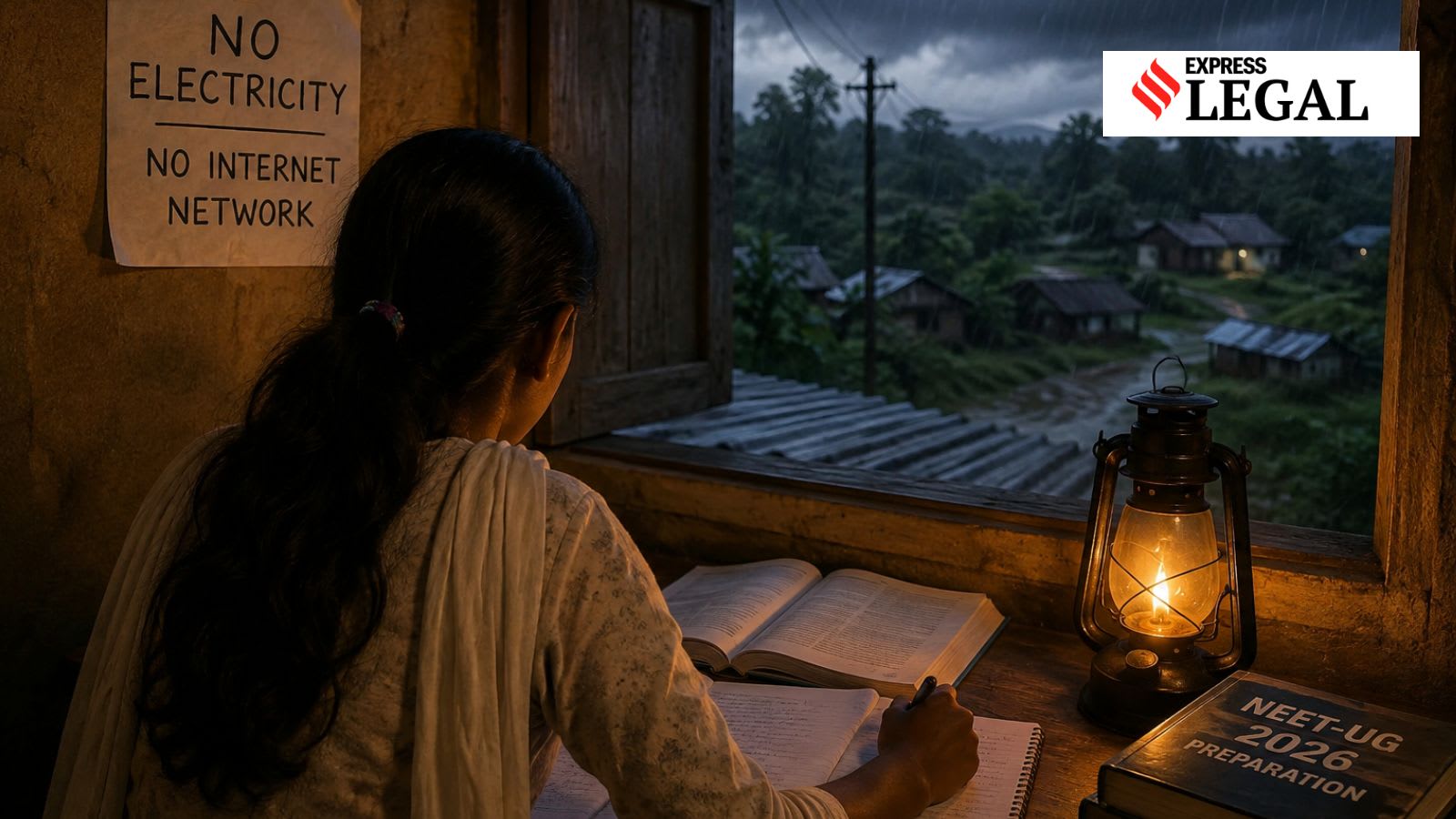
The Gauhati High Court has intervened to assist a NEET-UG candidate who missed document verification due to power and internet outages caused by heavy rain. The court directed Assam's DME to consider her case sympathetically for the ex-serviceman quota without displacing other candidates.
Judicial Intervention in NEET-UG Admissions
The Gauhati High Court recently intervened in a significant case involving a NEET-UG 2026 qualified candidate who faced an unforeseen barrier to her medical school admission. The candidate, the daughter of a serving Army Subedar, was unable to meet the mandatory document verification deadline for the ex-serviceman/serving defence personnel quota. This failure was attributed to environmental factors, specifically heavy rain that caused a total loss of electricity and internet connectivity in her remote village, rendering her unable to complete the digital verification process on time.
The Impact of Infrastructure on Digital Governance
This incident highlights the persistent digital divide in India, where critical administrative processes remain tethered to stable internet access. While the National Eligibility cum Entrance Test (NEET) has successfully digitized the examination and counseling workflow, the reliance on real-time connectivity creates a systemic risk for candidates residing in geographically isolated or infrastructure-poor regions. The court’s recognition of these external circumstances underscores a growing judicial awareness that rigid procedural deadlines can inadvertently disenfranchise meritorious students living in areas prone to climate-related infrastructure failure.
Balancing Equity and Meritocracy
Justice N. Unni Krishnan Nair’s directive to the Director of Medical Education (DME), Assam, strikes a delicate balance between individual equity and systemic integrity. By ordering the authorities to consider the student’s representation "sympathetically," the court acknowledges the contribution of defence personnel while ensuring the candidate is not penalized for forces beyond her control. Crucially, the court imposed a restrictive condition: the verification process must proceed without displacing any other already shortlisted candidates. This ensures that the relief granted to one student does not jeopardize the rights of others who successfully navigated the verification process.
The Role of Administrative Discretion
This case serves as a precedent for how administrative bodies should handle exceptions in high-stakes competitive examinations. The court's intervention suggests that when a candidate provides a verifiable explanation for a technical failure, authorities should prioritize humanitarian considerations over purely mechanical adherence to deadlines. This approach fosters trust in the examination system, particularly for families of defence personnel who already face significant challenges due to the nature of their service.
Future Trends in Admission Procedures
Looking forward, this ruling may influence how state agencies design their counseling portals and support systems. Future admission cycles might benefit from incorporating 'grace periods' or offline contingency protocols for candidates in remote areas to mitigate the risks of extreme weather and infrastructure collapse. As digital reliance grows, the legal system will likely continue to act as a buffer, ensuring that technological barriers do not become insurmountable walls for aspiring medical professionals. The court's focus on a swift, time-bound resolution—with a filing deadline of August 19—demonstrates a commitment to maintaining the overall schedule of the academic year while accommodating the petitioner’s unique situation.