1984 Sikh riots convict Sajjan Kumar dies in Delhi
Source Entity
Sukrita Baruah
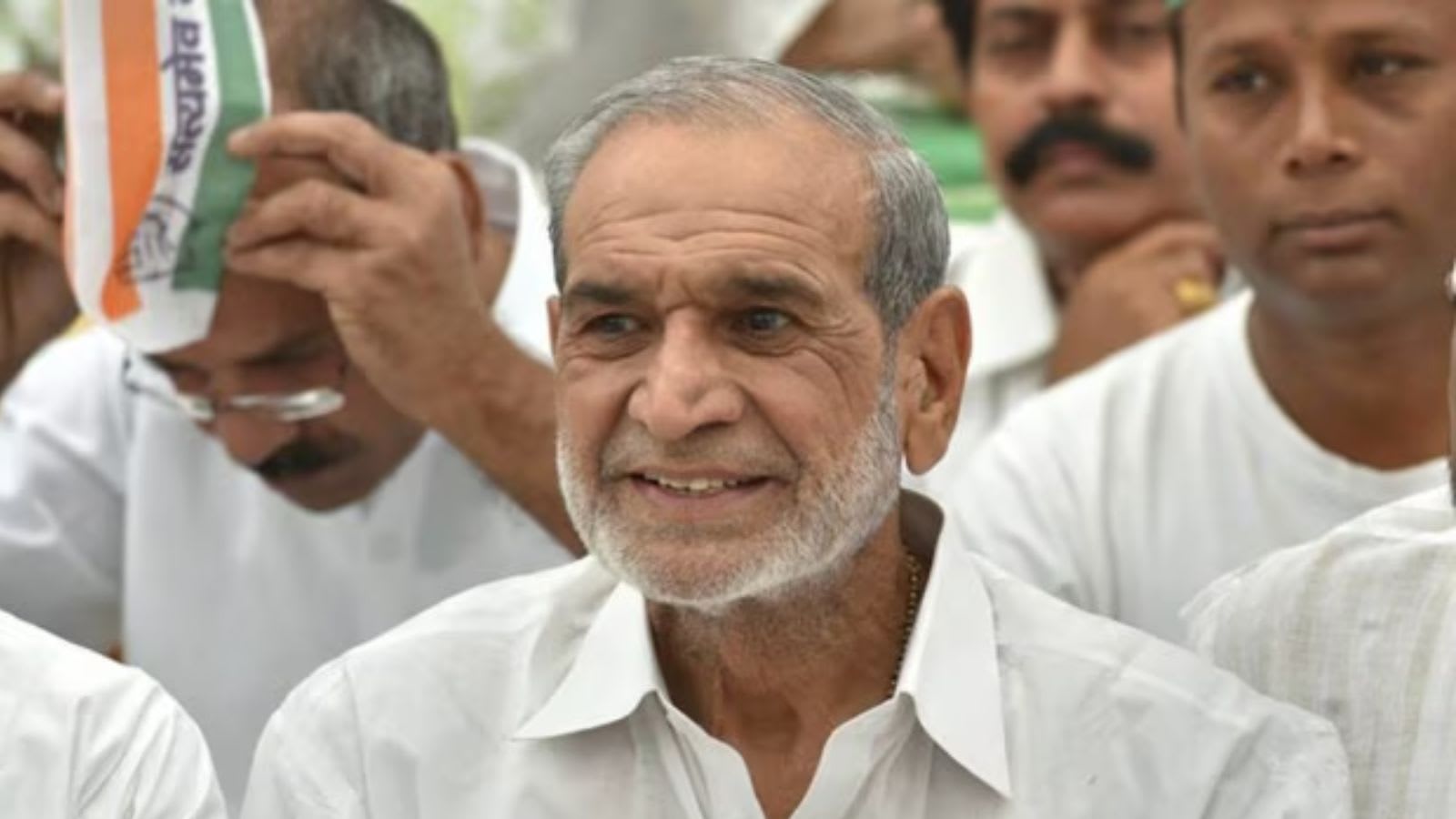
Former Congress MP and 1984 anti-Sikh riots convict, Sajjan Kumar, has died at the age of 80. He was serving a life sentence for his role in the violence following the assassination of Indira Gandhi.
The Death of Sajjan Kumar: Closing a Chapter on the 1984 Riots
The passing of 80-year-old Sajjan Kumar, a former Congress Member of Parliament, marks the end of a long and contentious legal chapter regarding the 1984 anti-Sikh riots. Confirmed by his legal counsel and medical authorities at Safdarjung Hospital, his death follows his tenure of serving a life sentence within Delhi's Tihar Jail. His demise serves as a somber reminder of one of the most volatile periods in modern Indian history.
Legal Accountability and Conviction
Sajjan Kumar’s legal history was defined by the 2018 Delhi High Court verdict that overturned his previous acquittal and sentenced him to life imprisonment. The court found him guilty of criminal conspiracy, promoting enmity, and acting against communal harmony. This landmark ruling was centered on the brutal killing of five members of a Sikh family, a case that became emblematic of the systemic failures in securing justice for the victims of the 1984 violence.
The Historical Context of 1984
To understand the significance of this event, one must look back at the four-day period of violence that engulfed Delhi in late 1984. The riots were triggered by the assassination of Prime Minister Indira Gandhi by her Sikh bodyguards on October 31, 1984. In the immediate aftermath, over 2,700 Sikhs were killed across the capital. The scale of the carnage left a deep scar on the national consciousness, leading to decades of demands for judicial accountability.
Political Implications and Legacy
As a prominent Congress leader, Sajjan Kumar’s involvement and subsequent conviction had significant political ramifications. His case often served as a focal point for political debates regarding the role of state machinery and political figures during times of communal unrest. The conviction in 2018 was widely viewed by civil society as a necessary step toward addressing the long-standing grievances of the families affected by the riots.
Broader Impact on Judicial Processes
The case against Sajjan Kumar highlights the challenges associated with prosecuting mass violence involving political figures. The decades-long delay between the commission of the crimes and the final sentencing underscores the complexities of the Indian judicial system in handling historical communal violence. His death while in custody signifies the finality of the legal proceedings against him, effectively closing the judicial file on his specific role in the tragedy.
Conclusion
Sajjan Kumar’s death brings a definitive end to a high-profile case that haunted the corridors of Indian politics for nearly four decades. While his passing concludes the legal proceedings against him, the memory of the 1984 riots and the quest for justice remain a significant part of India’s social and political landscape. His life and conviction stand as a historical case study on the endurance of the legal system in pursuit of accountability for communal atrocities.
Multiple Citing Sources