10 dead, dozens missing after war-damaged apartment block collapses in Gaza
Source Entity
VIJAYA SRIVASTAVA
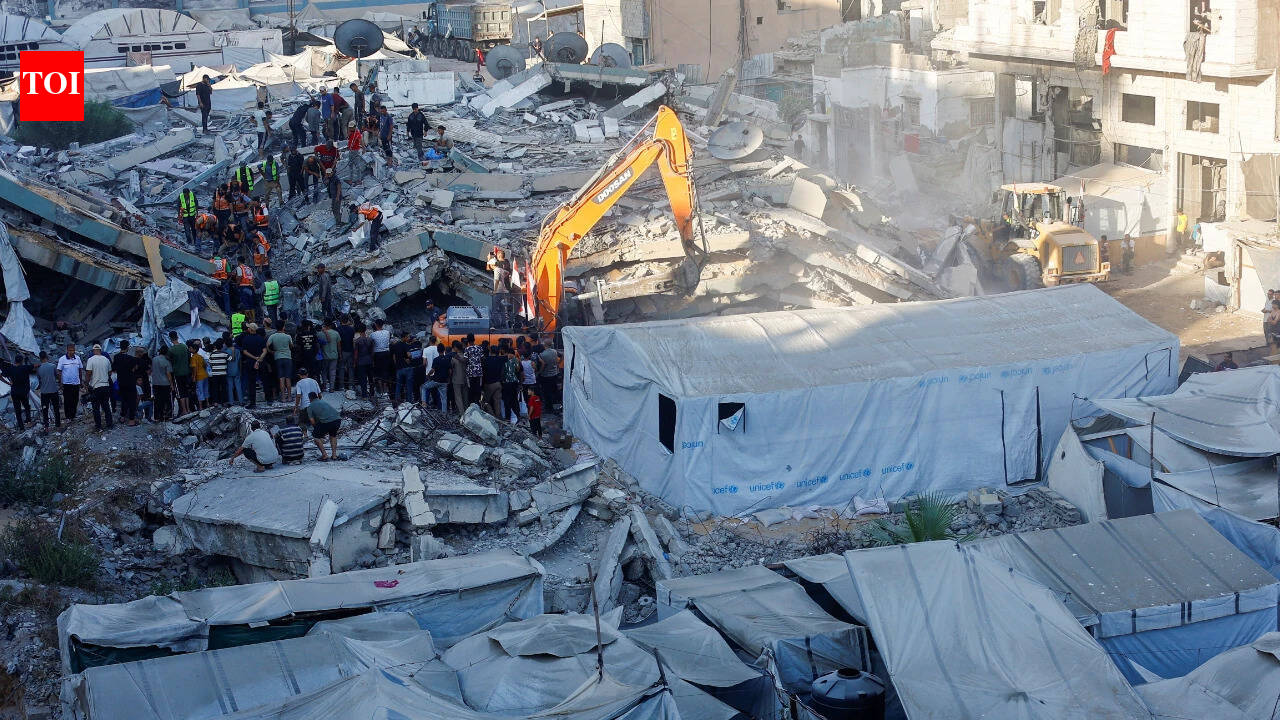
At least 20 people, including children, have died following the collapse of a war-damaged six-storey apartment building in Gaza City's Tal al-Hawa area. Rescue efforts remain ongoing as dozens of residents remain trapped under the debris, hampered by severe equipment shortages.
Tragedy in Tal al-Hawa: A Structural Collapse Amidst Conflict
A catastrophic structural failure in Gaza City’s Tal al-Hawa district has resulted in a significant loss of life, with reports confirming at least 20 deaths, including five children. The incident occurred when a six-storey apartment building, already compromised by prior military strikes, collapsed overnight. This event highlights the extreme precariousness of civilian life in conflict zones, where damaged infrastructure remains occupied due to the lack of safe alternatives.
The Human Cost of Displaced Families
The building was reportedly serving as a shelter for 10 families who had been displaced by the ongoing war. Despite the evident structural vulnerabilities caused by previous Israeli air strikes, these families remained in the building, underscoring the desperate housing crisis currently unfolding across Gaza. The collapse not only destroyed the primary structure but also impacted nearby residential buildings and temporary tents, magnifying the scale of the disaster.
Challenges in Search and Rescue Operations
Rescue teams, coordinated by the local Civil Defence, are currently engaged in a desperate search for survivors among the wreckage. The operation has been severely hampered by a lack of heavy equipment. Spokesman Mahmoud Basal noted that rescuers were initially forced to work with "empty hands" due to stringent Israeli restrictions on the entry of specialized machinery and tools into the Gaza Strip. While some heavy equipment has since been sourced, the delay significantly impacted the critical golden hour for potential survivors.
Contextualizing Structural Instability
This collapse is a direct consequence of the cumulative damage sustained by Gaza’s urban landscape throughout the current conflict. When buildings are subjected to air strikes, their load-bearing capacity is often permanently compromised, even if they remain standing. The phenomenon of "pancake" collapses—where floors are sandwiched together—makes the recovery process exceptionally difficult and dangerous for those attempting to save lives beneath the rubble.
Broader Implications and Future Trends
The incident serves as a grim indicator of the long-term dangers civilians face in war-torn urban environments. Even as hostilities fluctuate, the legacy of damaged buildings poses an ongoing, lethal threat to those seeking shelter. As long as displaced populations are forced to occupy compromised structures, the risk of further secondary collapses remains high, threatening to claim more lives long after the initial kinetic engagements have ceased.
Conclusion
The tragedy in Tal al-Hawa is a stark reminder of the humanitarian catastrophe in Gaza. With dozens still missing and rescue efforts hampered by limited resources, the situation remains fluid and dire. The international community continues to monitor the impact of these structural failures as the cycle of displacement and infrastructure degradation persists.