Saudi Arabia says it shot down Houthi drone south of Mecca
Source Entity
BBC News
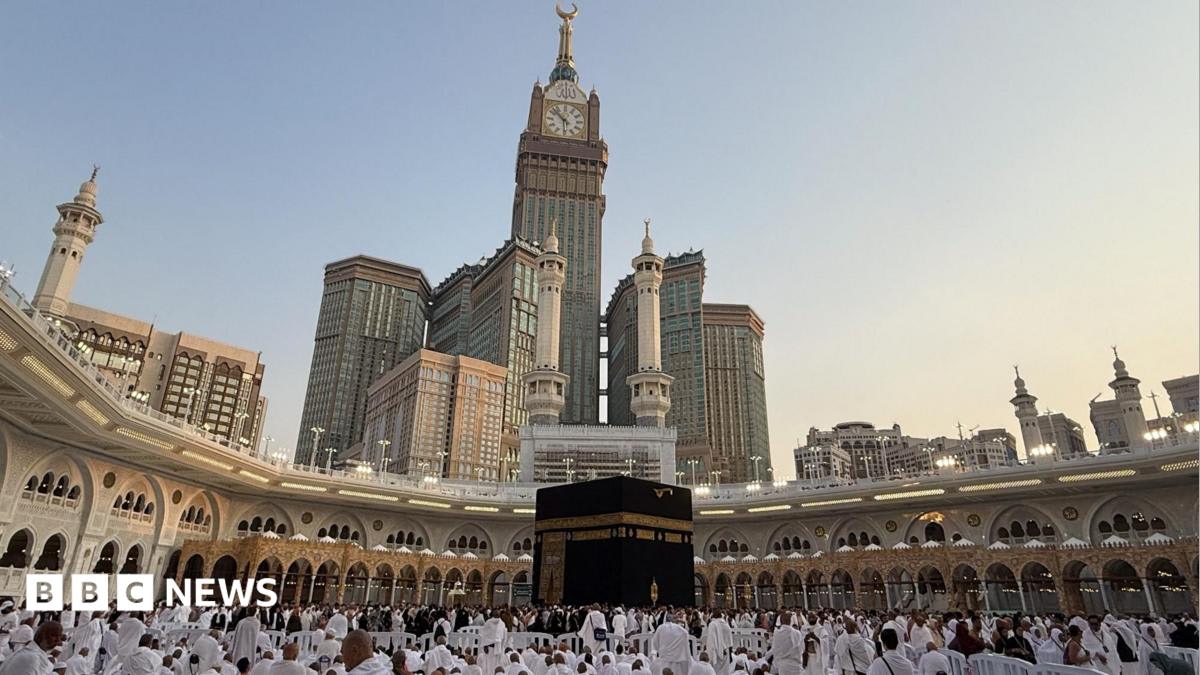
Saudi Arabia claims to have intercepted a Houthi drone targeting Mecca, an allegation the Iran-backed group strongly denies. The incident highlights escalating regional tensions as the Saudi coalition declares the protection of Islamic holy sites a 'red line'.
The Escalation of Conflict: Mecca Under Threat
The recent report regarding a drone interception south of Mecca marks a significant and dangerous escalation in the ongoing conflict between the Saudi-led coalition and the Houthi militia. By claiming that a drone was intercepted before entering the prohibited airspace of Islam's holiest city, Saudi officials have framed the event as an existential provocation. The Saudi coalition has explicitly warned that the security of such sites is a "red line," signaling a potential shift toward more aggressive retaliatory measures in response to what they perceive as a direct assault on the heart of the Islamic world.
Conflicting Narratives and Denials
In stark contrast to the Saudi account, the Houthi militia has categorically rejected the allegations, labeling them as "an worn-out lie." The group maintains that their military operations are exclusively focused on strategic targets, such as Saudi military bases and oil infrastructure, rather than religious sites. This fundamental disagreement over the target of the drone highlights the deep-seated lack of trust between the warring parties and the difficulty of verifying tactical claims in an environment fueled by intense propaganda and regional proxy wars.
The Geopolitical Stakes of the Hajj
Mecca serves as the focal point of the annual Hajj pilgrimage, drawing millions of Muslims from across the globe. Because of its spiritual significance, any military activity in its proximity carries immense weight for the Organization of Islamic Cooperation (OIC), which has condemned the alleged strike as a "heinous" act. The international community, particularly within the Muslim world, views the sanctity of Mecca as non-negotiable, meaning that even the perception of a threat to the city forces regional powers to take a firm, often uncompromising, stance.
Historical Context and Regional Instability
The conflict, which has been ongoing since 2015, has seen a steady increase in the sophistication of Houthi drone and missile technology. This incident occurs against a backdrop of broader regional instability, including stalled negotiations over critical waterways like the Strait of Hormuz and ongoing tensions following broader military engagements involving the U.S., Israel, and Iran. The intersection of these hostilities suggests that the war in Yemen is no longer a localized conflict but a central piece of a much larger, volatile geopolitical puzzle.
Future Implications and Strategic Outlook
Looking ahead, the declaration of a "red line" regarding Mecca suggests that Saudi Arabia may feel compelled to intensify its military response, potentially leading to a broader regional confrontation. If the Houthis continue to strike at infrastructure while denying intent to hit religious sites, the cycle of accusation and retaliation will likely persist, further complicating diplomatic efforts to de-escalate the fighting. The international community must now navigate the challenge of preventing a localized aerial threat from spiraling into a wider war that could threaten both regional stability and global energy security.