Gaza peace plan: 8 nations condemn Israel's rejection of US roadmap
Source Entity
TOI WORLD DESK
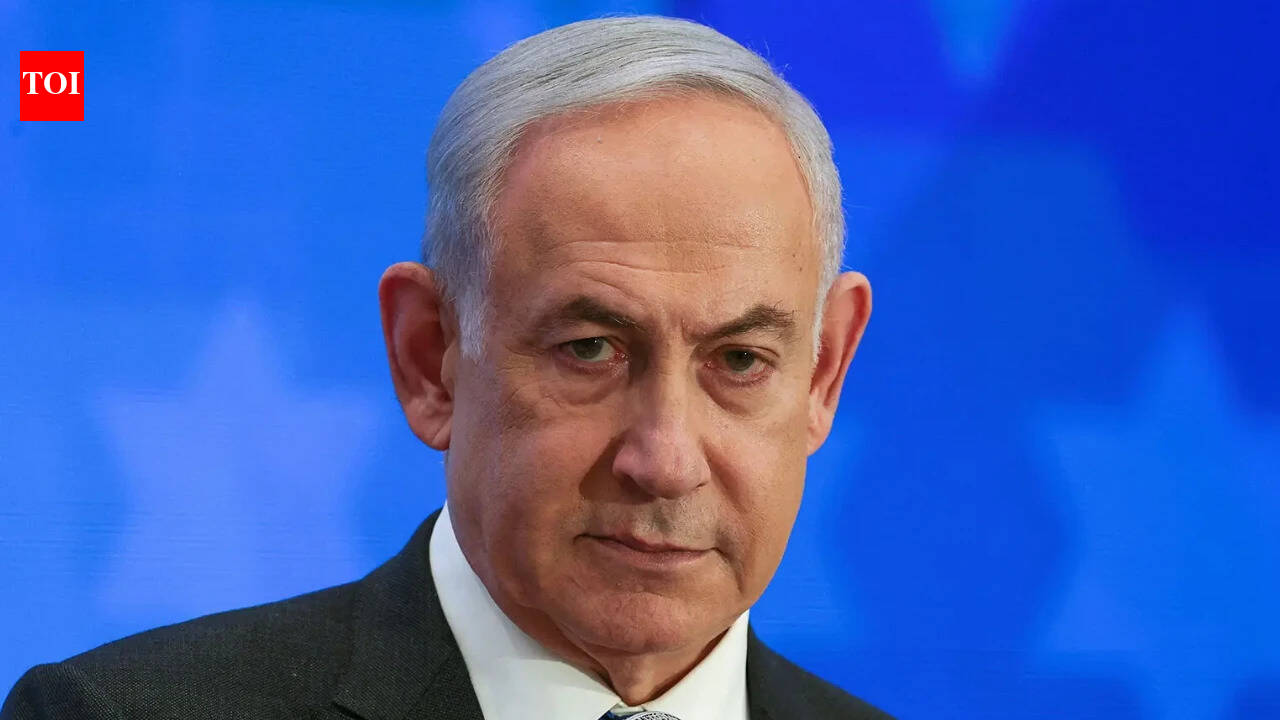
Eight nations have jointly condemned Israel's rejection of a US-backed Gaza peace roadmap. The coalition argues this refusal undermines regional stability, while Israel maintains that Hamas must be disarmed prior to any troop withdrawal.
The Collapse of the Gaza Roadmap: An International Stand-off
The Diplomatic Rift
A coalition of eight nations—Egypt, Jordan, the UAE, Qatar, Indonesia, Saudi Arabia, Turkey, and Pakistan—has issued a sharp condemnation following Israel’s rejection of the latest US-led Gaza peace proposal. This joint statement highlights a growing chasm between the international community’s push for a structured, multi-phase de-escalation and the current security policy championed by the Israeli government. By labeling the rejection as a move that "seriously undermines collective efforts," these nations are signaling a loss of patience with the current deadlock in mediation.
The Core Disagreement: Security vs. Sovereignty
At the heart of the impasse is a fundamental disagreement over the sequencing of the peace process. The roadmap, which has gained acceptance from various Palestinian factions, envisions a synchronized path toward the confinement of weaponry and the phased withdrawal of Israeli forces. Conversely, the administration of Prime Minister Benjamin Netanyahu remains steadfast in its requirement that Hamas must be effectively disarmed before any withdrawal of Israeli troops can take place. This conditionality has effectively paralyzed the negotiations, as Israeli leadership views the disarmament as a non-negotiable prerequisite for national security.
The Shadow of Future Governance
The friction is further exacerbated by Prime Minister Netanyahu’s explicit stance regarding the long-term political status of the Palestinian territories. By stating that no Palestinian state will be established while he serves as Prime Minister, Netanyahu has created a significant hurdle for the diplomatic "roadmap" supported by the US and its regional partners. This declaration complicates the efforts of mediators, who seek a political horizon as part of the peace process, whereas Israel is currently prioritizing a security-first approach that excludes immediate considerations of statehood.
The Role of International Mediators
The roadmap in question was not a spontaneous proposal but the result of intensive, multi-lateral mediation involving the United States, Egypt, Qatar, and Turkey. These nations, alongside the High Representative for Gaza and the Board of Peace, designed the framework to provide a tangible pathway toward stability. The fact that Palestinian factions have already agreed to the terms places the onus of the current stalemate squarely on the Israeli government, leading the eight-nation bloc to call upon the United States to exert greater influence on its ally to ensure compliance.
Broader Implications and Future Trends
The failure of this roadmap suggests a deepening regional instability that could have long-term consequences for the Middle East. If the US is unable to reconcile the conflicting demands of its regional allies and Israel, the credibility of international mediation efforts may suffer significantly. Future trends indicate that without a shift in the security-versus-statehood calculus, the conflict is likely to remain in a state of suspended animation, characterized by sporadic violence and the continued absence of a unified political solution. The international community appears poised to maintain pressure, but the path toward a "just and lasting peace" remains obstructed by these deep-seated ideological and security-based grievances.