Kill A US Soldier, Get $30,000 - Iran Announces Bounty, Double Pay For Women
Source Entity
NDTV News Search Records Found 1000
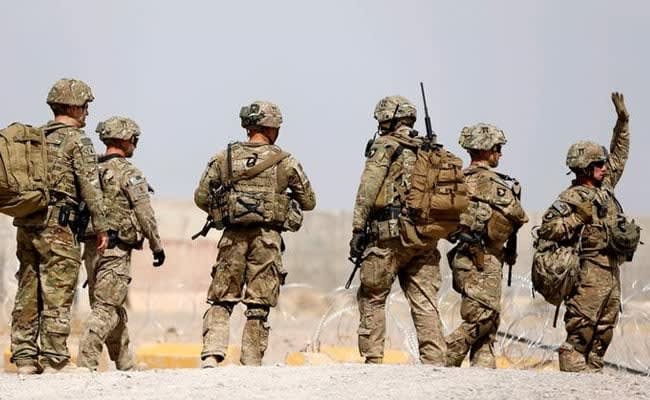
Iranian military officials have reportedly announced a bounty of $30,000 for the capture or killing of US soldiers, with the reward doubling for Iranian women. This development follows a reported death toll of 17 US personnel amidst escalating regional tensions and rhetoric.
Escalating Rhetoric: The Iranian Bounty Announcement
The recent reports concerning the statement attributed to Iranian Army official Amir Hatami represent a significant intensification in the hostile rhetoric between Tehran and Washington. By placing a specific monetary value on the lives of U.S. military personnel—$30,000 for a capture or kill, and $60,000 if executed by an Iranian woman—the Iranian leadership is utilizing psychological warfare to project strength and defiance against perceived American aggression.
Contextualizing the Conflict
This announcement arrives against a backdrop of ongoing regional volatility. While the provided reports note that 17 U.S. military personnel have already been lost since the onset of the current conflict, the strategic significance of this bounty lies in its attempt to mobilize non-state actors or civilians. By incentivizing individual participation in military-style operations, Tehran is signaling a shift toward unconventional warfare tactics intended to deter any potential expansion of U.S. ground operations into Iranian territory.
Gender Dynamics in Asymmetric Warfare
An unusual and notable aspect of the reported policy is the decision to double the bounty for Iranian women. This inclusion suggests a calculated effort to broaden the base of potential participants in the conflict, perhaps aiming to leverage nationalist sentiment across all demographics. From a sociological perspective, this framing attempts to integrate the civilian populace directly into the state's defense strategy, though it remains unclear how such a bounty would be verified or paid in a practical military setting.
Geopolitical Implications and Regional Disputes
These threats do not exist in a vacuum. The reports indicate that Iran is simultaneously navigating complex diplomatic and military disputes, including tensions with U.S. ally Qatar regarding missing pilots. These concurrent friction points suggest that the Iranian government is under significant pressure to maintain a posture of absolute resolve. The combination of these stressors creates a highly unpredictable environment where miscalculations could easily lead to further escalation.
Lack of Direct Deployment
It is critical to note that despite these aggressive announcements, there is currently no evidence of a widespread U.S. ground troop presence inside Iran. The bounty, therefore, serves primarily as a preemptive deterrent and a tool for domestic political consumption. The lack of a clear timeline or geographic target for these bounties underscores that this is largely a rhetorical maneuver designed to increase the perceived cost of any future U.S. military engagement in the region.
Future Trends and Strategic Risks
Looking ahead, the international community must monitor how these threats influence the safety of personnel operating in the broader Middle East. If the rhetoric translates into tangible attempts at violence, the risk of a full-scale conventional confrontation increases exponentially. The reliance on such public declarations highlights the fragility of current diplomatic channels, as both nations continue to trade threats rather than engage in de-escalation efforts.
Multiple Citing Sources
Verification Required?