George Lucas’ 23-acre San Francisco campus now has 4 buildings and 17-acre meadow
Source Entity
TOI WORLD DESK
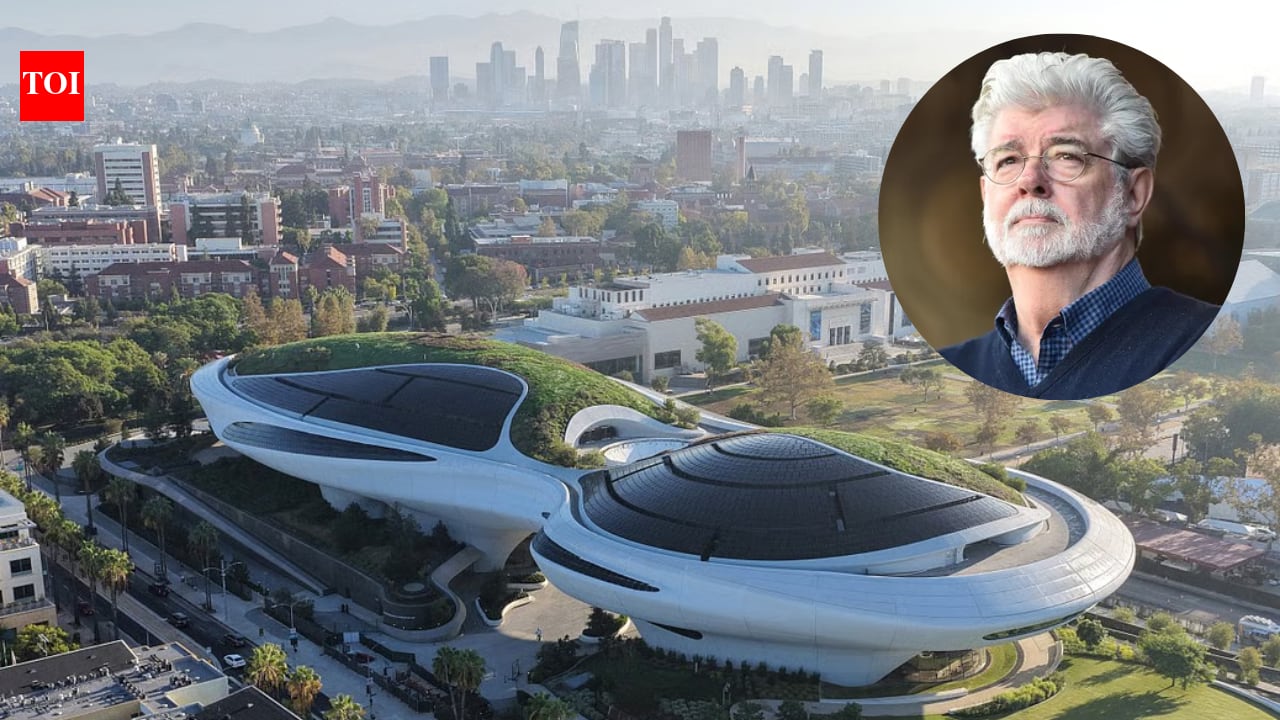
George Lucas' Letterman Digital Arts Center has successfully transformed a former military hospital site into a 23-acre hub for innovation. The campus now features four buildings and a 17-acre public meadow, serving as a model for urban redevelopment.
The Evolution of the Letterman Digital Arts Center
In 2005, filmmaker George Lucas undertook an ambitious urban renewal project, transforming the former site of the Letterman Army Hospital in San Francisco into the Letterman Digital Arts Center. Spanning 23 acres, the campus was designed to serve as a high-tech anchor for Lucasfilm and other creative enterprises. Over the past 21 years, this site has transitioned from a decommissioned military facility into a sprawling 850,000-square-foot epicenter for digital artistry, demonstrating the potential for private investment to revitalize underutilized urban land.
Architectural Integration and Urban Planning
The development of the campus was not merely about office space; it focused on integrating professional creative environments with public utility. By repurposing a site once dedicated to military healthcare, Lucas prioritized a design that balances corporate functionality with communal accessibility. The presence of four primary buildings allows for a dense concentration of creative talent, while the sprawling footprint ensures that the architectural impact on the Presidio remains respectful of the surrounding environment.
The Significance of the 17-Acre Meadow
Perhaps the most striking feature of the campus is the 17-acre public meadow, which serves as a vital green lung in the heart of San Francisco. This open space stands as a testament to the importance of incorporating public-facing amenities into private corporate developments. By dedicating a significant portion of the 23-acre parcel to public use, the Letterman Digital Arts Center fosters community interaction and provides a rare leisure space that bridges the gap between the corporate tech sector and the general public.
A Model for Adaptive Reuse
The success of the Letterman Digital Arts Center provides a compelling case study for adaptive reuse in modern urban planning. When military or industrial sites are decommissioned, they often face years of neglect; however, the Lucasfilm project illustrates how such sites can be reclaimed for the digital economy. By maintaining a high standard of architectural quality and environmental stewardship, the project has set a benchmark for future developers looking to balance industrial history with modern innovation.
Broader Implications and Future Trends
As cities continue to grapple with the need for more efficient land use, the model established by George Lucas offers a roadmap for future redevelopment initiatives. The integration of digital arts and technology firms into historic or repurposed urban spaces suggests that the future of work will rely increasingly on environments that prioritize both high-tech connectivity and outdoor accessibility. This trend is likely to continue as companies seek to attract top-tier talent through unique, amenity-rich office campuses that offer more than just traditional desk space.
Conclusion
The 21-year journey of the Letterman Digital Arts Center highlights the enduring impact of visionary urban development. From its origins as a former Army hospital to its current status as a vibrant hub of creativity and public space, the campus remains a landmark of San Francisco. It serves as a reminder that with careful planning and a commitment to communal benefit, private development can successfully contribute to the long-term vitality of an urban landscape.