New era for Gibraltar with removal of 118-year-old border controls with Spain
Source Entity
BBC News
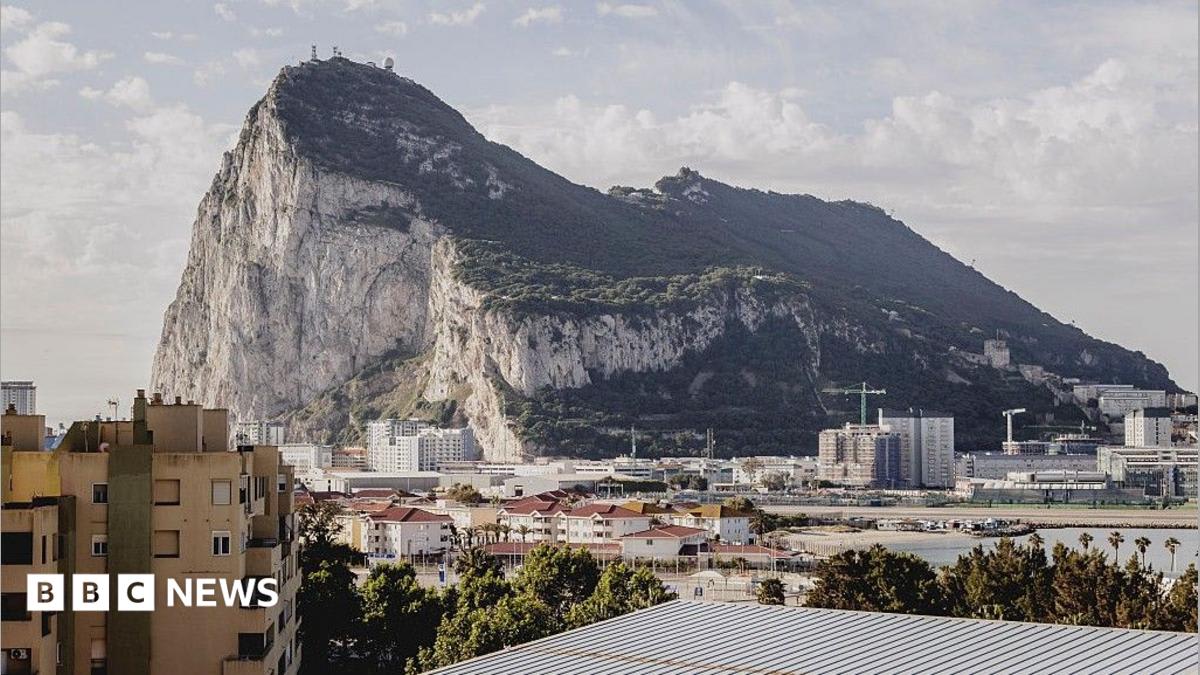
It is hoped that free movement between the UK territory and Spain will provide an economic boost.
A New Era: The Dismantling of the Gibraltar-Spain Border
The announcement that Gibraltar is removing border controls that have existed for 118 years marks a seismic shift in the geopolitical and economic landscape of the Mediterranean. For over a century, the frontier between the British Overseas Territory and Spain has been more than just a physical line; it has been a symbol of colonial tension, national sovereignty disputes, and periodic diplomatic freezes. The transition toward free movement represents a pragmatic evolution, prioritizing economic vitality and human mobility over the rigid territorial frictions of the past.
The Weight of Historical Tension
To understand the significance of this move, one must look at the historical volatility of the border. The most poignant example was the total closure of the border by Francisco Franco in 1969, which severed ties and crippled the local economy for years. For decades, the border functioned as a bottleneck, where security checks and bureaucratic hurdles slowed the flow of goods and people. By removing these controls, Gibraltar and Spain are effectively closing a chapter of 20th-century hostility and moving toward a 21st-century model of integrated regional cooperation.
Driving Economic Integration and Growth
The primary driver behind this decision is the pursuit of a substantial economic boost. Gibraltar's economy is heavily reliant on its relationship with the "Campo de Gibraltar" region in Spain, where thousands of frontier workers cross daily to provide essential labor. The removal of controls eliminates the costly and time-consuming queues that have historically hindered productivity. This fluidity is expected to stimulate the retail, hospitality, and service sectors, as Spanish tourists and residents can enter the territory without friction, and Gibraltar-based businesses can more easily integrate their supply chains with Spanish partners.
Navigating the Post-Brexit Landscape
This development is inextricably linked to the complexities of Brexit. As a UK territory, Gibraltar faced the prospect of a "hard border" following the UK's exit from the European Union, which would have been disastrous for both the territory and the neighboring Spanish municipalities. The move toward free movement is a strategic solution to maintain the territory's viability within the European sphere. It suggests a sophisticated diplomatic compromise where security is managed through modern, non-intrusive means—such as shared databases and biometric checks—rather than physical barriers and passports.
Future Implications and Regional Stability
Looking forward, this shift is likely to catalyze further investment in the region. With the barrier to entry removed, Gibraltar becomes a more attractive hub for international finance and gaming industries, while Spain benefits from increased spending and employment opportunities for its citizens. This arrangement sets a precedent for how disputed territories can find a "middle way" that respects sovereignty while embracing economic reality. If successful, this model of fluid borders could serve as a blueprint for other territorial disputes globally where economic interdependence outweighs political disagreement.
Summary of the Transition
In conclusion, the removal of 118-year-old border controls is not merely an administrative change but a profound diplomatic achievement. By pivoting from a fortress mentality to an open-door policy, Gibraltar and Spain are prioritizing the prosperity of their people over historical grievances. This transition promises a more stable, prosperous, and integrated future for the region, signaling that economic pragmatism has finally triumphed over century-old divisions.