Inside the mini factory where GM builds its EV future
Source Entity
John Voelcker
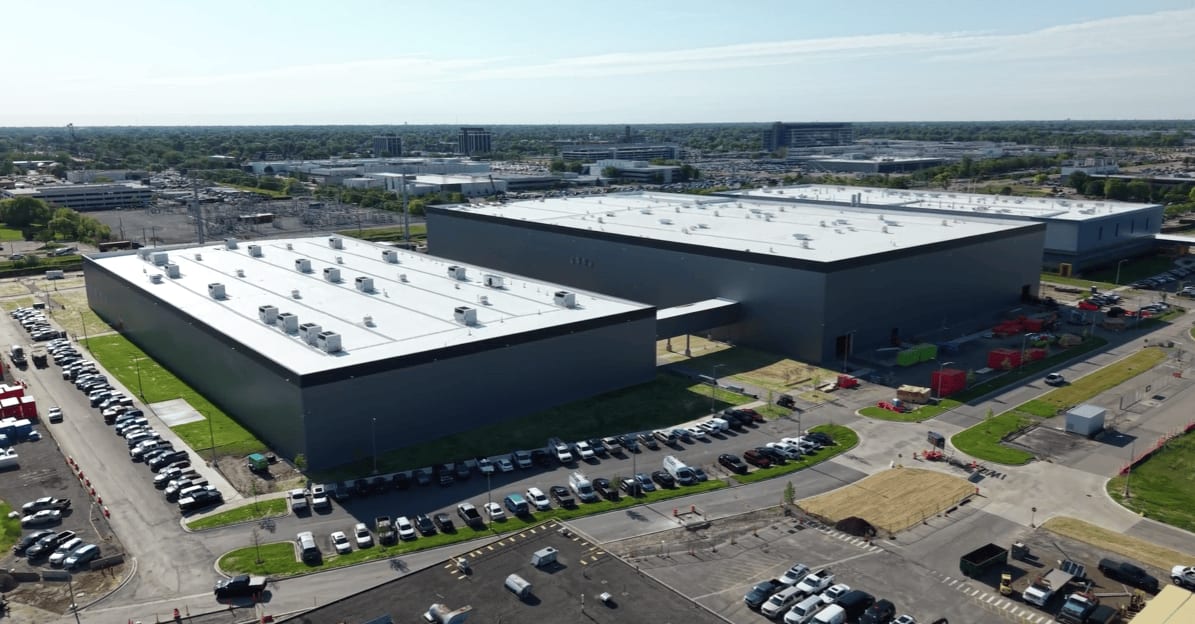
General Motors is constructing a massive Battery Cell Development Center in Warren, Michigan, to accelerate prototype production. This initiative aims to reduce EV manufacturing costs to better compete with Tesla and emerging Chinese rivals.
The Strategic Heartland of GM's EV Ambitions
Deep within General Motors' sprawling 710-acre campus in Warren, Michigan, lies a project of immense strategic importance. Hidden within two unassuming white buildings, which collectively span half a million square feet, the automaker is constructing its new Battery Cell Development Center. This facility represents a critical pivot in GM’s operational philosophy, shifting from traditional automotive manufacturing to a more integrated, high-tech approach focused on the fundamental building block of the electric vehicle era: the battery cell.
Accelerating the Pace of Innovation
The primary objective of this new center is to accelerate the lifecycle of prototype development. By centralizing the creation and testing of new cell chemistries, GM aims to slash the cost of its electric vehicles significantly. In the high-stakes arena of modern automotive manufacturing, the ability to iterate rapidly is a competitive advantage. This facility is designed to allow engineers to move from concept to testable prototype with greater velocity, ensuring that cost-saving innovations reach the assembly line faster than ever before.
The Economic Imperative of Cost Reduction
GM’s push for efficiency is not merely an engineering goal; it is a fundamental business necessity. To achieve the high-volume sales targets required to transition a legacy automaker into an EV-first company, the cost of ownership for the average consumer must be lowered. By developing its own cell technology, GM is attempting to gain greater control over its supply chain and reduce dependence on expensive, outsourced battery solutions, which currently constitute the most significant portion of an EV's manufacturing cost.
Navigating a Competitive Global Landscape
The urgency behind this construction project is amplified by an increasingly crowded marketplace. GM finds itself in a two-front battle: it must maintain market share against the established dominance of Tesla, while simultaneously preparing for the inevitable arrival of low-cost, high-volume Chinese electric vehicles in the United States. These international rivals have already demonstrated a capacity for aggressive pricing, forcing legacy manufacturers to reconsider their entire cost structures.
Future Trends and Industry Implications
As the automotive industry continues its pivot toward electrification, the 'mini factory' model seen in Warren may become a blueprint for other manufacturers. By housing research, development, and prototype manufacturing in close proximity, companies can bridge the gap between laboratory theories and real-world application. The success of this facility will likely determine whether GM can sustain its competitive edge in the coming decade, as the global market shifts toward a landscape defined by battery chemistry efficiency and manufacturing scale.
Conclusion
In summary, the Battery Cell Development Center in Warren is much more than a construction project; it is the physical manifestation of GM's strategy to survive and thrive in a market disrupted by electrification. By prioritizing cost-effective battery innovation, the company is positioning itself to compete not just on brand legacy, but on the economic viability of its future product lineup.