Ex-GM CEO on Mary Barra succession planning: 'It's going to be tough'
Source Entity
US Top News and Analysis
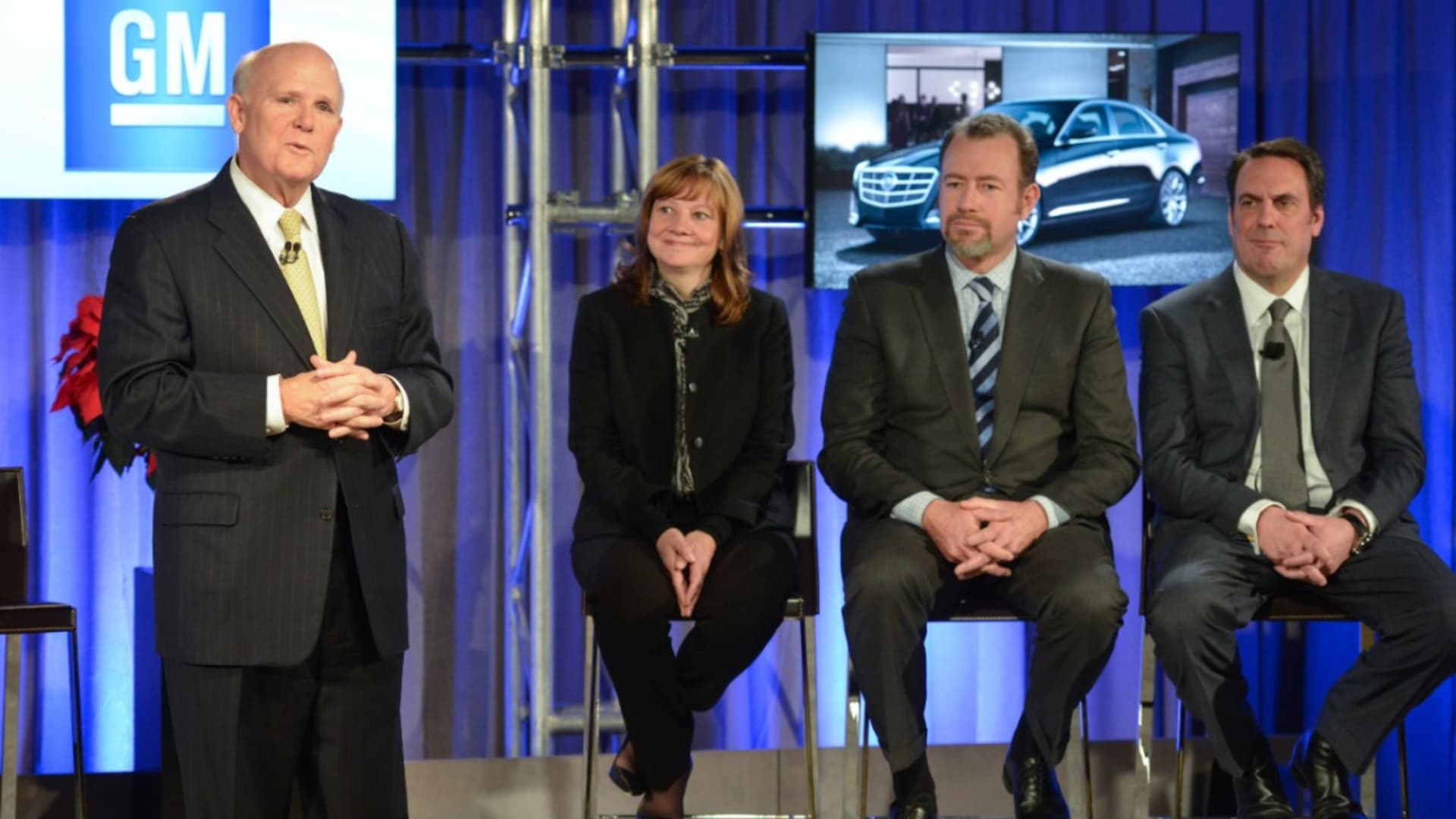
Former GM CEO Dan Akerson warns that Mary Barra's eventual successor will face immense challenges due to rapid technological shifts. Barra has led the automaker since 2014, navigating significant industry transformation.
The Complexity of Succession at General Motors
Former General Motors CEO and Chairman Dan Akerson has publicly addressed the daunting nature of the eventual leadership transition at the automotive giant. As the man who handpicked Mary Barra for the role in 2013, Akerson’s assessment that her replacement will face a "tough" task carries significant weight. Barra, who assumed the CEO position on January 15, 2014, has defined a decade of leadership characterized by deep structural changes and the navigation of a global automotive landscape in flux.
The Barra Legacy and Industry Precedence
Mary Barra’s tenure is historic, marked by her status as the first female CEO of a major global automaker. Her leadership has been defined by a focus on long-term stability and a strategic pivot toward future-proofing the company. Akerson’s comments highlight that the difficulty for the next leader lies not merely in filling a high-profile seat, but in maintaining the momentum established during a period of unprecedented volatility in manufacturing and corporate governance.
Technological Turbulence and the Auto Industry
The core of the succession challenge, as identified by Akerson, is the rapid pace of technological change. The automotive industry is currently undergoing a radical evolution, shifting from traditional internal combustion engines toward electric platforms and the integration of advanced artificial intelligence. Any successor will inherit a company that is deeply entrenched in these high-stakes investments, requiring a leader who can manage both the technical complexity of modern vehicles and the software-driven business models that are becoming standard.
Historical Context of GM Leadership
Dan Akerson, a U.S. Navy veteran and seasoned businessman, provides a unique perspective given his role in the post-bankruptcy era of GM. Having overseen his own transition, he understands that the board’s choice is not just about executive management, but about steering a legacy American institution through a transition that threatens to disrupt the very foundation of transportation. The board’s challenge, according to Akerson, is finding an individual capable of matching Barra's strategic foresight while managing the risks inherent in such a massive industrial pivot.
Future Trends and Strategic Outlook
Looking ahead, the next CEO of General Motors will likely need to balance the legacy of traditional manufacturing with the demands of a tech-heavy future. The ongoing integration of AI and the transition to a sustainable fleet are not just operational goals but existential requirements for survival in a competitive global market. As Akerson noted, the successor will be inheriting a set of pressures that are fundamentally different from those faced by previous generations of automotive leaders, requiring a blend of traditional grit and modern technological fluency.
Conclusion
In summary, the transition of power at General Motors represents a critical juncture for the company. While Mary Barra’s departure is not immediate, the conversation initiated by Dan Akerson underscores the reality that the automotive sector is no longer a static industry. The success of the next CEO will be measured by their ability to navigate the intersection of legacy industrial strength and the rapid, often unpredictable, advancements in automotive technology.