Psychiatric treatment done but nowhere to go for patients: Goa’s key institute has a problem
Source Entity
Pavneet Singh Chadha
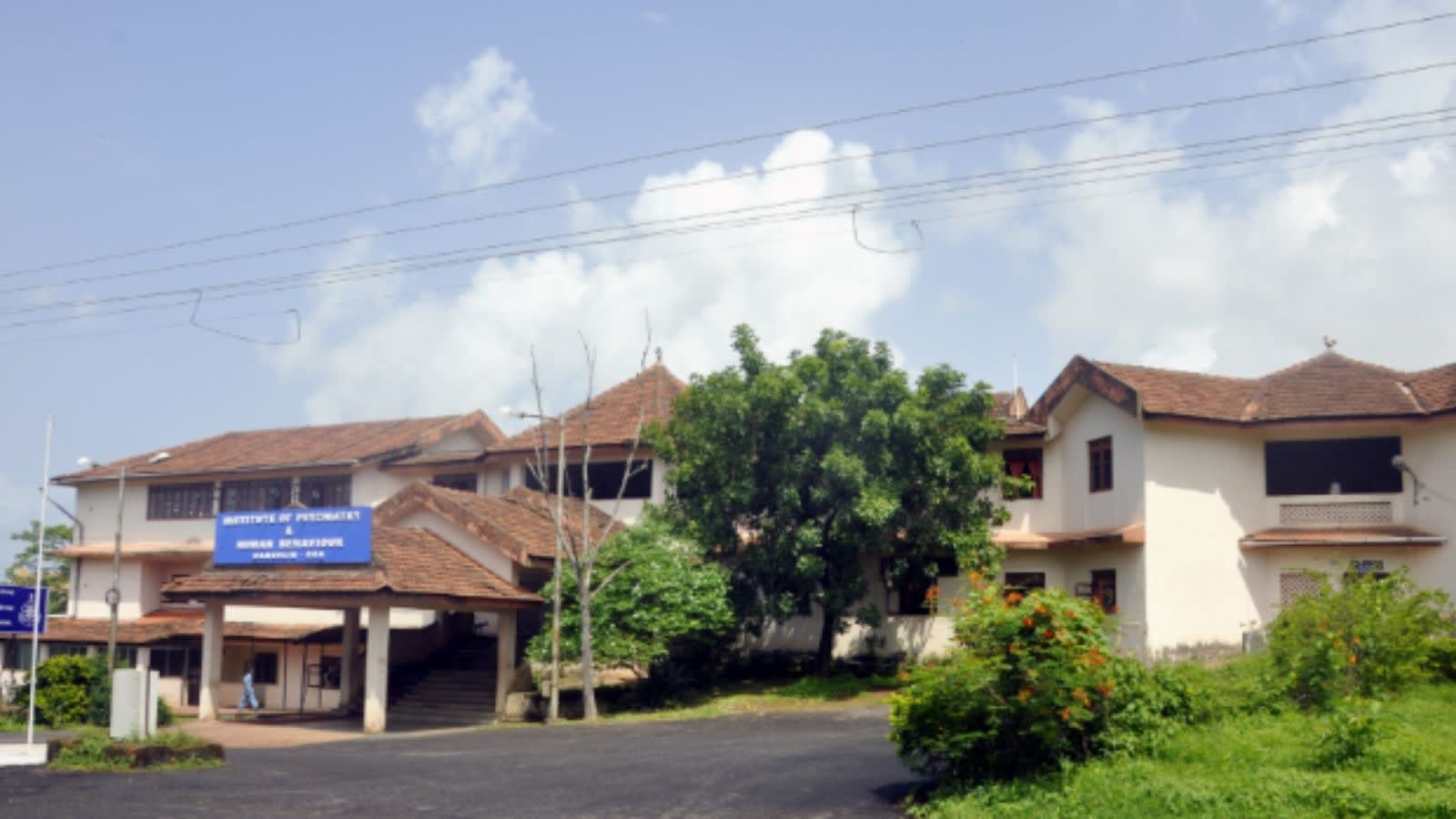
Goa's Institute of Psychiatry and Human Behaviour is facing a capacity crisis as patients fit for discharge remain institutionalized due to a lack of family support. The Goa Human Rights Commission has highlighted the urgent need for state-funded halfway homes to facilitate patient rehabilitation.
The Institutional Crisis at Goa’s IPHB
A recent inspection of the Institute of Psychiatry and Human Behaviour (IPHB) in Goa has exposed a critical systemic failure in the region’s mental healthcare infrastructure. While the facility is tasked with the acute treatment of psychiatric conditions, it has inadvertently become a long-term residence for individuals who have already recovered. With 65 patients currently housed at the institute, a significant portion of this population consists of individuals medically cleared for discharge but trapped by the absence of social support structures.
The Breakdown of Aftercare Support
The core of the issue lies in the abandonment of patients by their families. When psychiatric patients reach a state of recovery where they no longer require intensive clinical intervention, the standard protocol is reintegration into society. However, as the Goa Human Rights Commission noted, many of these patients lack guardians or the familial backing necessary to transition back into community life. This leaves the IPHB acting as a de facto care home rather than a specialized psychiatric hospital, which hinders its ability to treat new, incoming patients who require urgent medical attention.
The Absence of Rehabilitation Infrastructure
Currently, the state of Goa lacks the necessary 'halfway homes'—transitional living facilities designed to bridge the gap between clinical psychiatric care and independent living. Without these facilities, the IPHB is forced to retain recovered patients indefinitely to ensure their safety and basic well-being. This creates a bottleneck that limits the hospital's operational efficiency and places an unnecessary financial and logistical burden on a facility designed for acute care rather than long-term rehabilitation.
Human Rights and Institutional Responsibility
From a human rights perspective, the involuntary retention of recovered patients due to a lack of social services raises significant ethical concerns. The Goa Human Rights Commission’s findings emphasize that the state bears a responsibility to provide an environment where patients can live with dignity after their treatment concludes. The current situation suggests that the medical system has successfully performed its primary function—treatment—but the state’s support system has failed to facilitate the necessary next steps for recovery.
Future Outlook and Policy Recommendations
To resolve this crisis, the Commission has recommended that the government prioritize the development of rehabilitation facilities specifically for those who have completed their psychiatric treatment. The path forward requires a shift in policy from purely clinical management to a holistic model of mental healthcare that includes social reintegration programs. Until the state establishes the infrastructure to support these vulnerable individuals outside hospital walls, the IPHB will continue to face the dual challenges of overcrowding and the inability to provide care for those most in need.