Goa’s iconic motorcycle ‘pilots’ are struggling. They say govt’s new app may not be the solution
Source Entity
Pavneet Singh Chadha
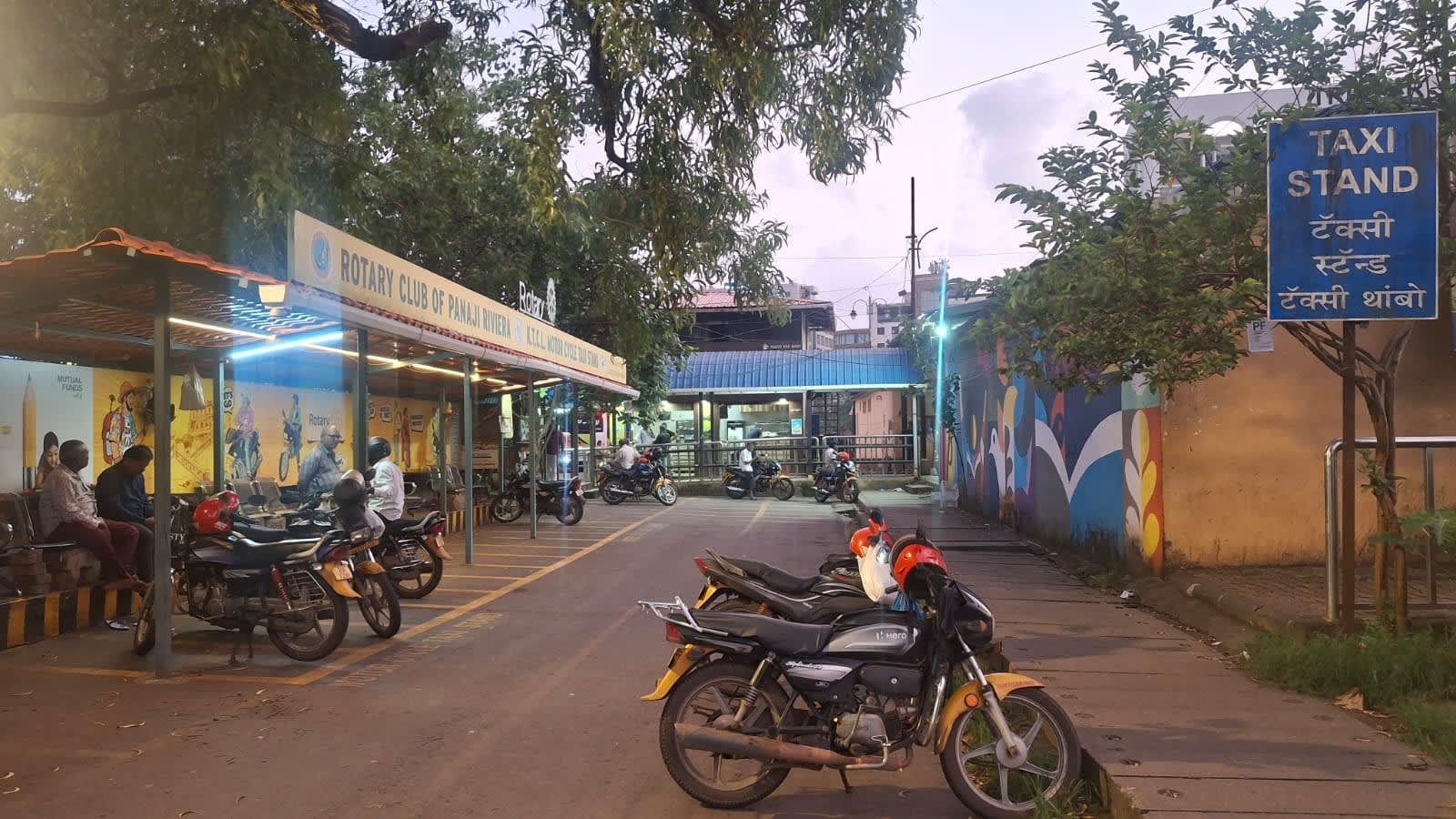
“The business is slow and waning,” says Raju ‘Datta’ Naik (73), as he moves his black-and-yellow motorcycle taxi to the front of the queue at the taxi stand in Panaji on Saturday evening. Naik, a nat...
The Twilight of the 'Pilot': Goa's Struggle Between Tradition and Technology
Goa's black-and-yellow motorcycle taxis, operated by the legendary 'pilots,' have long been more than just a means of transport; they are a living cultural emblem of the state. However, as highlighted by the experiences of veteran pilots like 73-year-old Raju ‘Datta’ Naik in Panaji, this iconic profession is currently facing a severe existential crisis. The decline in business is not merely a temporary dip but a symptom of a shifting economic landscape where traditional transport models are clashing with the rapid digitalization of the gig economy.
The Economic Erosion of Traditional Transit
The waning business reported by the pilots is the result of several converging factors. For decades, pilots provided an affordable, agile way to navigate Goa's narrow lanes, serving both locals and tourists. However, the proliferation of private vehicle ownership and the entry of aggressive, app-based ride-hailing services have eroded their primary customer base. The convenience of doorstep pickup and algorithmic pricing offered by modern platforms has made the traditional 'taxi stand' model—where pilots wait in queues for passengers—seem obsolete to the younger, tech-savvy generation and modern travelers.
The Digital Divide and Government Intervention
In an attempt to modernize the sector, the government has introduced a dedicated app designed to connect pilots with passengers. While this seems like a logical solution on paper, the reality on the ground reveals a profound digital divide. For pilots like Raju Naik, who represent an older generation of workers, a mobile application is not a panacea. The barriers are not just technical but psychological; the transition from a relationship-based business—where pilots knew their regulars and their neighborhoods—to a data-driven interface feels alien and impersonal. There is a prevailing skepticism that an app can replace the organic flow of the taxi stand or solve the underlying issue of dwindling demand.
Heritage vs. The Gig Economy
This conflict underscores a broader global trend: the tension between heritage-based livelihoods and the 'platformization' of labor. The motorcycle pilots of Goa operated under a regulated, community-centric system. In contrast, the gig economy prioritizes efficiency and scalability over social stability and tradition. By pushing a digital solution, the government is attempting to force a traditional trade into a modern mold, but this ignores the social fabric that the pilots provide. They are often the eyes and ears of their communities, offering a level of local knowledge and trust that an algorithm cannot replicate.
Future Trends and Potential Outcomes
Looking forward, the survival of the motorcycle pilot will likely depend on whether the state can implement a hybrid model of support. Relying solely on an app is insufficient; there needs to be a focus on integrating these pilots into the official tourism circuit as 'heritage guides' or providing them with subsidies to offset the loss of income. If the transition is managed poorly, Goa risks losing a vital piece of its identity, replacing a colorful, human-centric tradition with the sterile efficiency of a smartphone screen. The trend suggests that without significant intervention, the number of active pilots will continue to plummet as the older generation retires without successors.
Conclusion
The struggle of Goa's motorcycle pilots is a poignant reminder that technological progress often comes at the cost of cultural heritage. While digitalization is inevitable, the skepticism expressed by the pilots suggests that the human element of transport cannot be fully digitized. For the black-and-yellow bikes to remain a fixture of Panaji's streets, the solution must be as nuanced as the history of the pilots themselves, balancing the need for modern convenience with the preservation of a storied Goan legacy.