Of 97 left out in Goa, 88 are back, 3 others are Portuguese citizens: EC
Source Entity
BHARTI JAIN
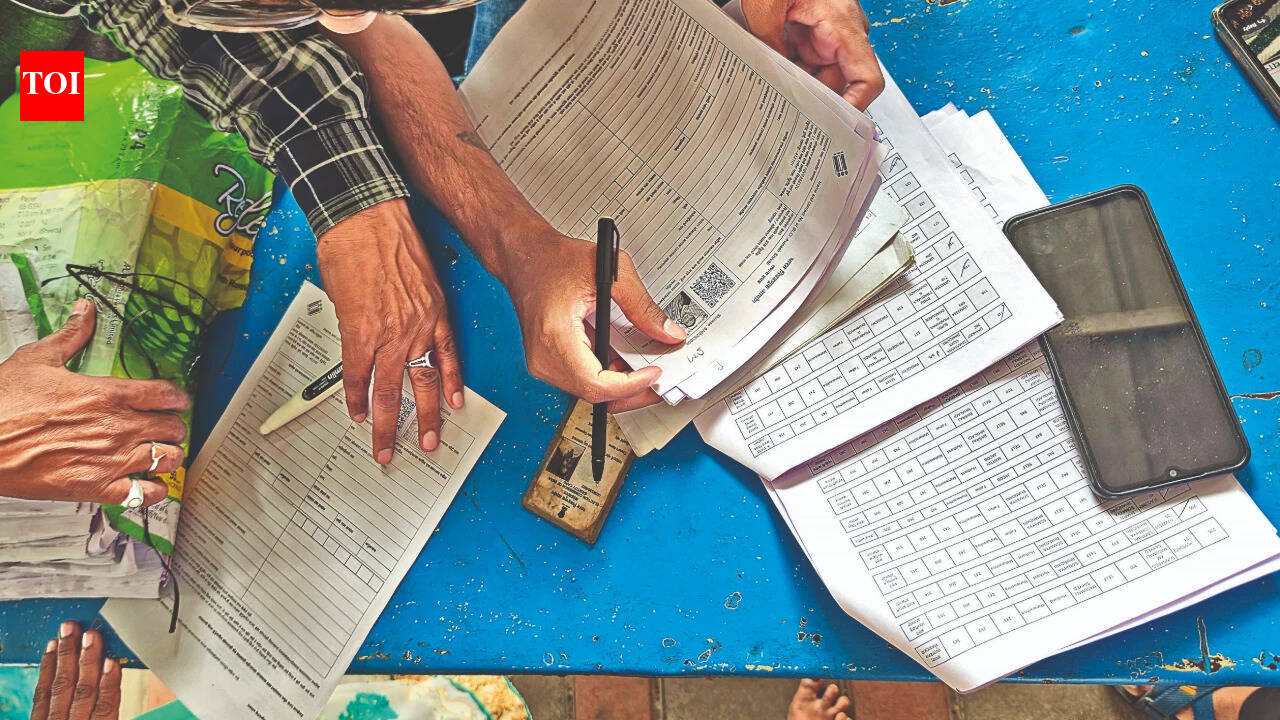
The Goa Chief Electoral Officer has reinstated 88 of 97 voters previously excluded from the electoral rolls due to technical issues. The remaining individuals were found to be Portuguese passport holders or residents living abroad, highlighting the complex intersection of dual-nationality status and Indian voting rights.
Electoral Integrity and the Challenge of Dual Status in Goa
Recent developments in Goa have brought to light the complexities of maintaining accurate electoral rolls in a region with a unique colonial history. The office of the Goa Chief Electoral Officer (CEO) recently addressed a discrepancy involving 97 voters who were initially excluded from the electoral rolls. This exclusion, attributed to an 'ECINet' technical issue, sparked concerns regarding the disenfranchisement of eligible citizens. However, administrative intervention successfully restored 88 of these individuals to the voter list following the submission and acceptance of Form 6, signaling a resolution to the immediate procedural error.
The Intersection of History and Citizenship
The root of this administrative complexity lies in the historical status of Goa as a former Portuguese territory. Individuals born in Goa prior to 1961, along with their children and grandchildren, possess a legal pathway to acquire Portuguese citizenship. This process involves the issuance of a citizen card by Portuguese authorities upon the verification of birth and descent documents. Because this legal framework allows for a unique dual-identity status, it frequently creates friction when mapped against Indian electoral laws, which do not permit dual citizenship for those holding an Indian passport.
Analyzing the Exclusions
Of the 97 individuals initially flagged, the investigation revealed that not all were eligible for reinstatement. Specifically, three individuals were identified as Portuguese passport holders. Under Indian law, the acquisition of a foreign passport automatically necessitates the renunciation of Indian citizenship, thereby rendering those individuals ineligible for the Indian electoral roll. The remaining six individuals were found to be based abroad. This distinction is critical as it highlights the administrative burden on election officials to verify the residency and citizenship status of applicants in a region where cross-border ties are deeply embedded in the social fabric.
Procedural Safeguards and ECINet
The role of the ECINet system in this event serves as a reminder of the challenges inherent in digitizing electoral processes. While technical glitches can lead to temporary disenfranchisement, the transparent communication from the CEO’s office regarding the resolution process demonstrates a commitment to maintaining the integrity of the voter list. By requiring the submission of Form 6—the standard application for new or reinstated voters—the authorities ensured that each case was vetted through established legal channels rather than through blanket administrative action.
Broader Implications for Electoral Rolls
The Goa incident underscores a broader trend in Indian electoral administration: the necessity of constant vigilance in updating rolls to reflect accurate residency and citizenship status. As global mobility increases, election commissions across India, and particularly in states with historical colonial ties, must navigate the delicate balance between ensuring universal suffrage for eligible citizens and strictly enforcing citizenship criteria. Future efforts will likely focus on integrating more robust verification protocols to prevent similar technical or status-based discrepancies.
Conclusion
The resolution of the Goa voter exclusion case reflects both the fragility and the resilience of electoral systems. By addressing the technical failure while simultaneously clarifying the legal status of those who have transitioned to Portuguese citizenship, the state authorities have upheld the constitutional requirements of the electoral process. Moving forward, the case serves as a template for how election bodies must balance technical efficiency with the rigorous legal requirements governing citizenship and the right to vote.