Gondhal director welcomes Ramayana in the Oscar race: ‘I am betting on it’
Source Entity
Gayatri Nirmal
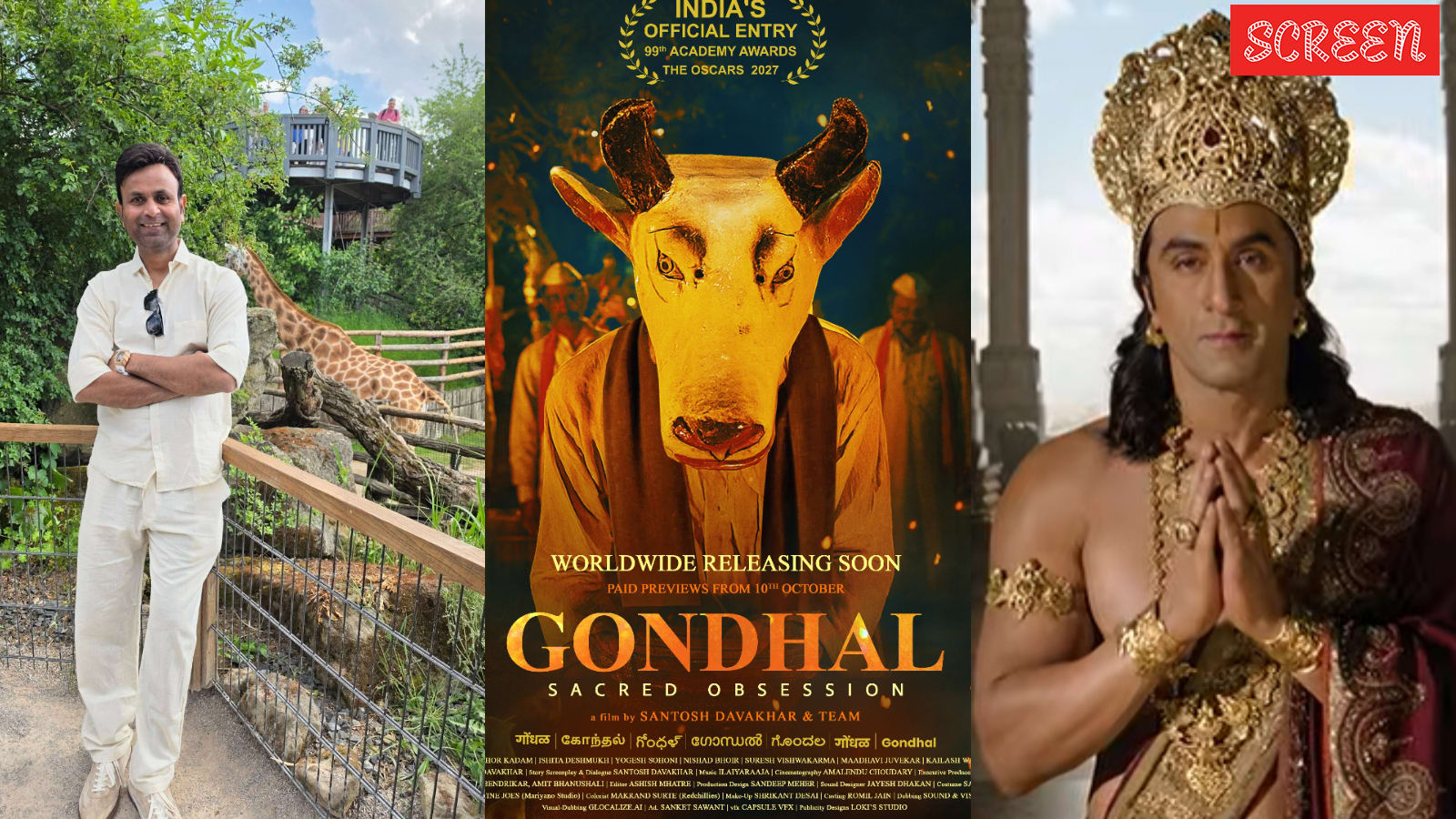
The Marathi film 'Gondhal' has been selected as India’s official entry for the 99th Academy Awards. Directed by Santosh Davakhar, the film blends traditional folk rituals with a dark thriller narrative and features a score by maestro Ilaiyaraaja.
The Rise of Marathi Cinema: 'Gondhal' and the Oscar Spotlight
The selection of the Marathi film Gondhal as India’s official entry for the Best International Feature Film category at the 99th Academy Awards marks a significant milestone for regional Indian cinema. Directed by debutant filmmaker Santosh Davakhar, the film has transitioned from a localized cultural exploration to a global contender, currently headlining India’s cinematic presence on the world stage.
Rooted in Tradition: The Genesis of the Film
At its core, Gondhal is deeply tethered to the cultural landscape of Maharashtra. The film draws inspiration from the filmmaker’s own childhood memories, specifically the all-night rituals performed in the Nashik region to invoke deities like Goddess Bhavani and King Khandoba. By weaving these traditional folk art forms into a modern narrative, Davakhar has crafted a story that is both hyper-local and thematically universal.
A Dark Thriller with Musical Grandeur
Beyond its cultural roots, Gondhal functions as a psychological thriller centered on themes of desire, deception, and greed. The film’s atmosphere is significantly heightened by a musical score composed by the legendary Ilaiyaraaja. The collaboration highlights a pursuit of authenticity, as the director sought the maestro’s expertise to ensure the film’s sonic landscape matched the gravity of the folklore depicted on screen.
The Strategic Pan-India Re-release
Originally released in 2025, the film underwent a strategic re-release across India on November 13, 2026, in multiple languages. This move was calculated to build momentum for the Oscar campaign, ensuring that the film remained in the public consciousness while the team prepared for international screenings in the United States. This dual-pronged strategy of national re-release and global campaigning is essential for non-English language films aiming for visibility within the Academy’s voting body.
Navigating the Oscar Campaign
Representing India at the Oscars is a high-pressure endeavor, characterized by intense screening schedules and the logistical demands of a global campaign. Director Santosh Davakhar, alongside cast members Ishita Deshmukh, Yogesh Sohoni, and Nishad Bhoir, has expressed both pride and the inherent anxiety of the process. From managing technical requirements—such as requests for cue sheets from the Oscar team—to coordinating international promotional events, the team is working to ensure that Gondhal resonates with an international audience.
Conclusion: The Future of Indian Regional Narratives
The journey of Gondhal underscores a growing trend where regional Indian stories, characterized by their unique cultural identity and specific folk traditions, are increasingly finding success in mainstream global spaces. As the team continues their promotional circuit in the US, the success of this film could pave the way for more diverse, folk-rooted narratives to compete for top international accolades, signaling a shift in how Indian cinema is perceived and valued globally.