These are the first five Googlebook laptops
Source Entity
Stevie Bonifield
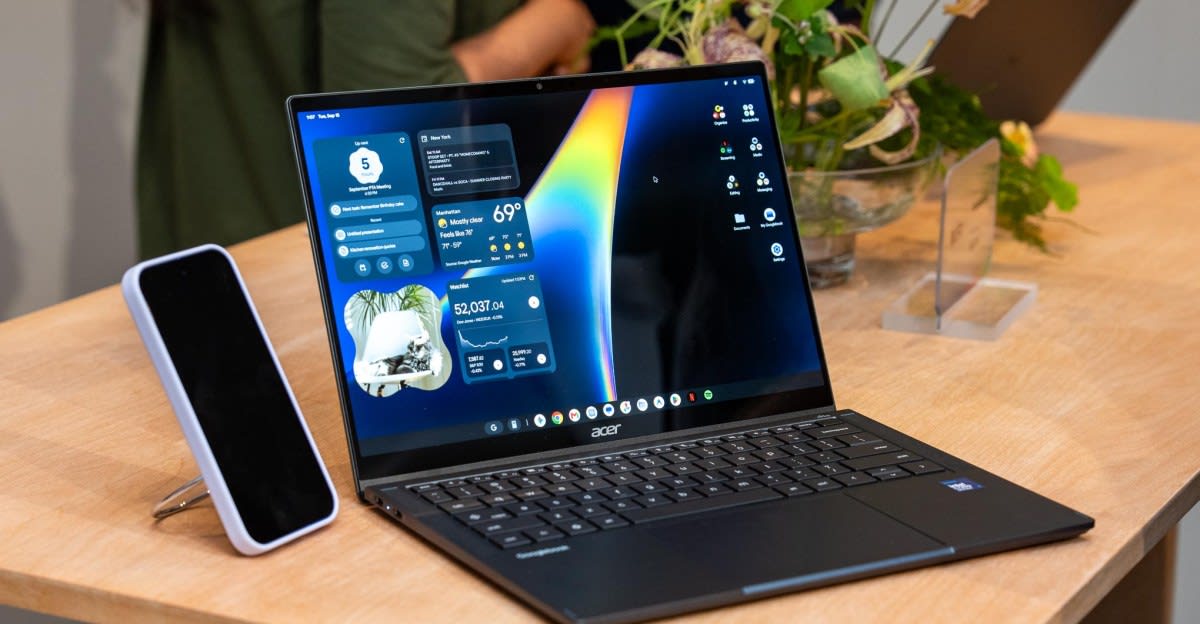
Google has launched the 'Googlebook' laptop line in partnership with five major manufacturers, targeting Android users with seamless ecosystem integration. The devices, starting at $899, emphasize cloud-based productivity and long-term software support to compete with premium market rivals.
The Dawn of the Googlebook Era
Google has officially entered the premium laptop market with the introduction of the 'Googlebook' brand. In a strategic collaboration with industry giants Acer, Asus, Dell, HP, and Lenovo, Google has unveiled five distinct hardware models. This launch marks a significant transition for the company, signaling a shift from its long-standing focus on budget-friendly ChromeOS devices toward a more integrated, high-end computing experience that aims to rival established industry leaders like the MacBook Air.
Bridging the Gap for Android Users
The core value proposition of the Googlebook is its deep integration with the Android mobile ecosystem. John Maletis, Google’s head of laptops and tablets, has emphasized that these machines are engineered to function as a natural extension of an Android phone. Features include the ability to transition apps seamlessly between devices, access mobile files directly from the laptop interface, run mobile-specific applications, and centralize notification management. This ecosystem play is clearly designed to replicate the fluidity Apple has achieved between iOS and macOS.
Pricing, Performance, and Bundled Value
Positioned firmly in the $899 to $1,299 price bracket, these laptops are competing directly with premium Windows ultrabooks and Apple's MacBook Air. To justify this price point, Google is offering a robust suite of incentives. Each purchase includes 12 months of Google AI Pro paired with 5TB of cloud storage, alongside trial subscriptions for YouTube Premium, Adobe Photoshop, and CapCut. Perhaps most notably, Google is promising up to 10 years of software updates, a commitment aimed at addressing long-term value and sustainability for the consumer.
Historical Context: From ChromeOS to Googlebook
The launch of the Googlebook represents the evolution of a vision first articulated by Sundar Pichai in 2010. Originally, Google championed the idea that the web browser would be the only necessary software interface, relying on the cloud to handle processing and storage. While ChromeOS became a successful staple in the education and enterprise sectors, the transition to the Googlebook brand suggests a pivot toward a more sophisticated, hardware-centric approach that transcends the limitations of a browser-only experience.
Future Implications and Market Outlook
By moving away from the 'cheap and simple' reputation of early Chromebooks, Google is attempting to redefine its hardware identity. The decision to partner with five major manufacturers simultaneously ensures a broad range of form factors and design choices for potential buyers. As the hardware hits shelves on October 4th, the ultimate success of the Googlebook will hinge on whether consumers prioritize the promised Android synergy over the established capabilities of existing platforms. If Google can deliver on its promise of a frictionless user experience, it may fundamentally alter the landscape of personal computing.