Trump's 2028 successors are already fighting over who to blame for GOP midterm wipeout
Source Entity
US Top News and Analysis
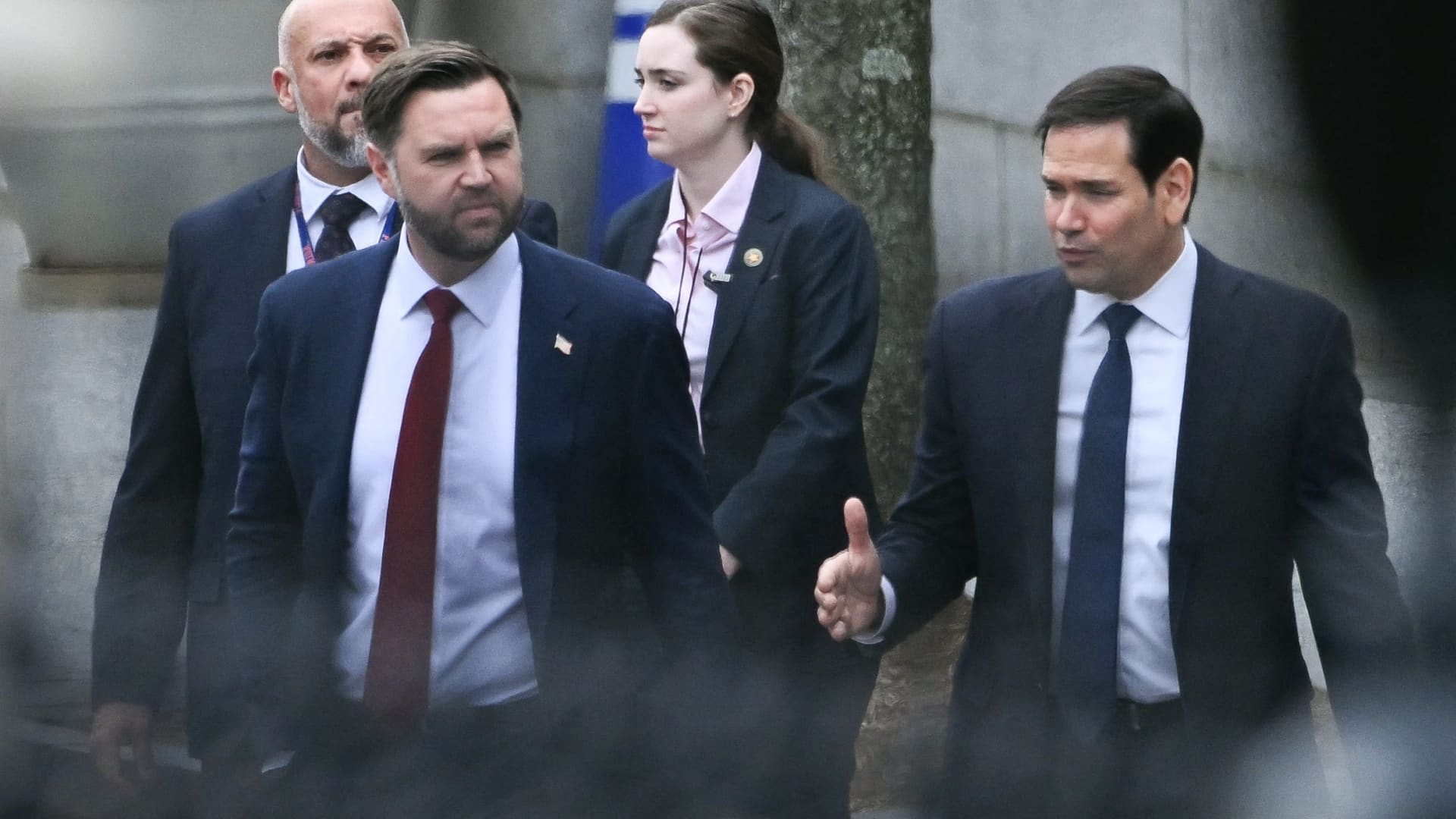
Republican leaders are clashing over the causes of their recent midterm election defeat as they position themselves for the 2028 presidential race. Potential successors like JD Vance, Marco Rubio, and Ron DeSantis are offering conflicting narratives while attempting to navigate the influence of Donald Trump.
The Post-Midterm Power Struggle: Mapping the GOP's Future
In the wake of a historic midterm wipeout, the Republican Party finds itself at a critical crossroads. While the electoral results demand a period of introspection, the internal discourse has quickly shifted toward a high-stakes battle for the future of the MAGA movement. Key figures, including Vice President JD Vance, Secretary of State Marco Rubio, and Florida Governor Ron DeSantis, are already jockeying for position, using the recent electoral failure as a catalyst to frame their competing visions for the party's trajectory.
Divergent Narratives on Electoral Failure
The lack of consensus regarding the GOP's midterm performance highlights deep-seated ideological fractures. JD Vance has pointed toward international conflict, specifically the war in Iran, as a primary driver for the party's losses. In stark contrast, Marco Rubio has defended the current foreign policy posture, suggesting that the party’s challenges lie elsewhere. Meanwhile, Ron DeSantis argues that the party focused on the wrong tactical battles, and Ted Cruz contends that the leadership has fundamentally lost touch with the economic anxieties of the average voter. These conflicting diagnoses suggest that there is no unified strategy for recovery.
The Shadow of Donald Trump
Central to this internal strife is the looming presence of Donald Trump. Despite the party's recent electoral shortcomings, Trump remains the gravitational center of the Republican base. Any potential successor faces a precarious balancing act: they must propose a path forward that addresses the party's weaknesses without alienating the core MAGA voters who remain loyal to the former president. Trump’s own reluctance to step back or endorse a specific path forward creates a vacuum, forcing candidates to guess his intentions while attempting to carve out their own political identities.
Tactical Challenges and Voter Alienation
The debate over the midterm results serves as a proxy for a much larger question: Can the Republican Party evolve? For candidates like Cruz, the focus on economic populism is a direct appeal to voters who feel left behind by traditional party platforms. However, the friction between foreign policy hawks like Rubio and more isolationist voices like Vance complicates the party's messaging. This ideological tug-of-war risks deepening the divide within the electorate, making it increasingly difficult to build a coherent platform that appeals to both the base and suburban swing voters.
Future Trends and the 2028 Horizon
Looking toward 2028, the Republican primary process promises to be one of the most contentious in recent history. As these leaders continue to audit the midterm losses, their public disagreements will likely intensify. The ultimate winner will need to reconcile the party’s current strategic failures with the reality that the MAGA base is still the primary engine of the movement. Whether the party chooses to double down on past strategies or pivot toward a new economic and social synthesis remains to be seen, but the current infighting is a clear indicator of a party struggling to define its identity in a post-Trump-dominated era.