GOP heads to Supreme Court after losing case over TV election ad prices
Source Entity
Jon Brodkin
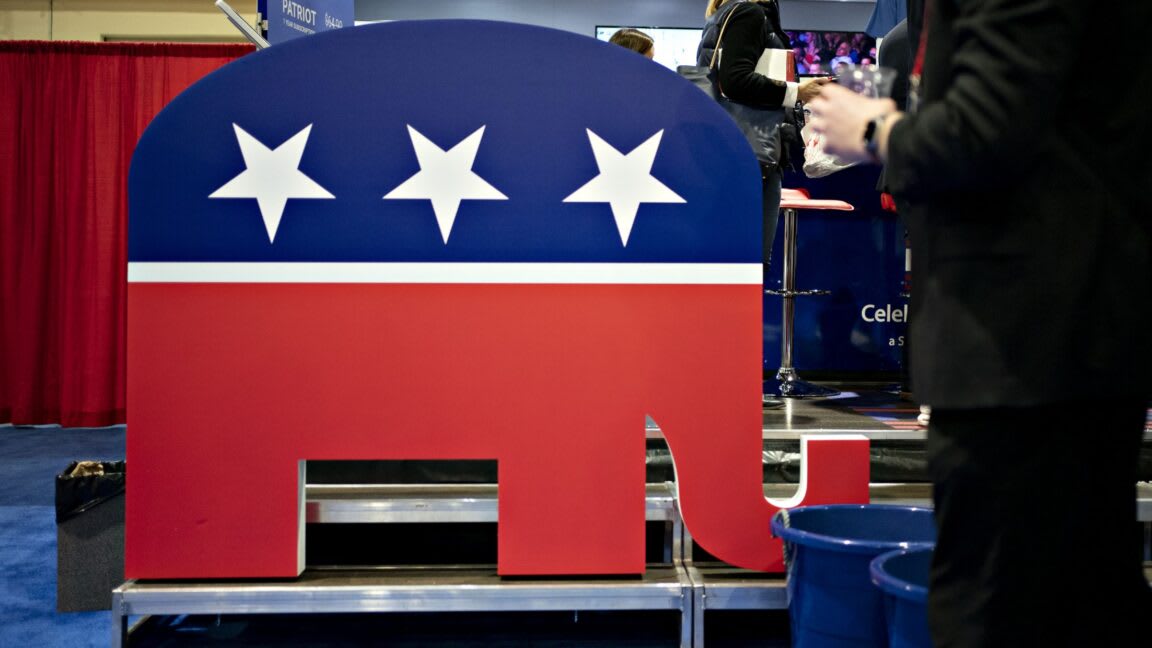
Republican campaign committees have petitioned the Supreme Court to force broadcasters to offer political parties the same low advertising rates currently reserved for individual candidates. This legal battle centers on the interpretation of the 'lowest unit charge' rule and aims to reduce campaign spending costs ahead of the election.
The Legal Battle for Campaign Ad Pricing
Republican campaign committees have escalated their legal challenge to the Supreme Court, seeking a mandate that would force broadcast television stations to offer lower advertising prices to political parties and joint fundraising committees. This move is a strategic effort to secure favorable terms before the intense ramp-up of election commercials scheduled for next week. At its core, the dispute highlights a long-standing tension between federal media regulations and the financial realities of modern political campaigning.
Understanding the 'Lowest Unit Charge' (LUC)
Under existing United States law, broadcast stations are required to provide individual candidates with the "lowest unit charge" (LUC) during the 60-day window preceding an election. This provision was designed to ensure that candidates can communicate their platforms to the electorate without being priced out of the airwaves by exorbitant costs. By leveling the playing field, the law prevents stations from leveraging the high demand for political ad space to extract premium prices from those seeking public office.
The Scope of the Dispute
The current controversy arises because this LUC protection does not currently extend to political parties or joint fundraising committees. Republican committees are arguing that these groups should enjoy the same pricing benefits as individual candidates. By seeking a Supreme Court intervention, they hope to bypass lower court rulings and force a nationwide policy change that would significantly lower the cost of their massive media buys as the election cycle reaches its climax.
Regulatory Context and FCC Involvement
This legal friction is not occurring in a vacuum. The Trump administration, acting through the Federal Communications Commission (FCC), previously intervened in this regulatory space. The involvement of the FCC underscores the broader effort by political actors to influence how broadcast media is monetized and regulated during high-stakes election periods. The outcome of this case could redefine how media outlets manage their inventory and how campaigns budget for their advertising strategies.
Broader Implications for Election Spending
If the Supreme Court rules in favor of the GOP committees, the implications for the broadcasting industry would be substantial. Stations could lose a significant portion of the revenue they typically count on during the final weeks of an election cycle, as they would be legally obligated to sell high-demand slots at reduced rates. Conversely, for political organizations, a victory would mean stretching limited campaign funds much further, potentially allowing for more frequent or extended advertising campaigns.
Looking Toward the Election
The urgency of this request to the Supreme Court is driven by the ticking clock of the electoral calendar. With ad spending set to surge in the coming days, the committees are looking for a swift resolution to ensure they can benefit from lower rates during the critical final stretch. Regardless of the ruling, this case reinforces the growing importance of media purchasing power in the modern political landscape and the ongoing struggle to regulate the intersection of commerce and democracy.