AI industry says Trump plans to tax chips in the “single dumbest way imaginable”
Source Entity
Ashley Belanger
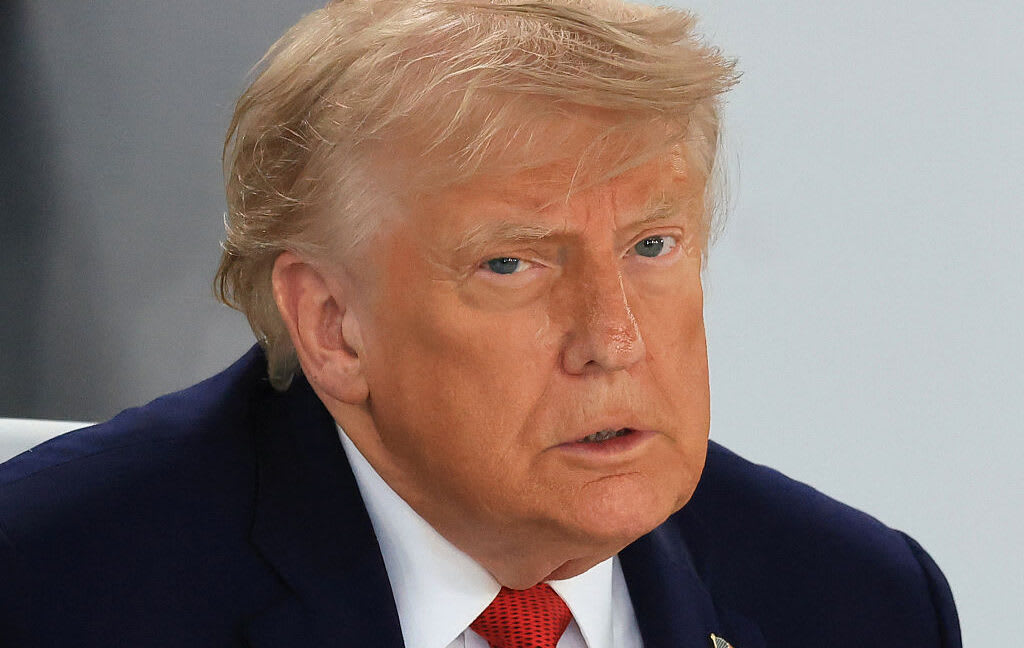
The Trump administration is considering new, expansive tariffs on imported semiconductors and related hardware to boost domestic manufacturing. Tech industry leaders warn this could stifle AI innovation, increase consumer costs, and hinder the U.S. competitive edge against China.
The Impending Shift in U.S. Semiconductor Policy
The Trump administration is reportedly crafting a new, aggressive trade strategy centered on imposing sweeping tariffs on imported semiconductors. While the stated goal is to incentivize domestic manufacturing and bolster national security, the proposal has sent shockwaves through the technology sector. Reports indicate that these duties would not merely target raw silicon but could extend to an array of finished goods, including enterprise-grade data center servers, consumer laptops, and gaming consoles.
The Strategic Rationale vs. Industry Concerns
At the heart of this policy push is Commerce Secretary Howard Lutnick, who is advocating for a framework that ties tariff relief directly to foreign investment in domestic semiconductor fabrication facilities. The administration views this as a necessary lever to ensure the U.S. infrastructure for artificial intelligence is built on American soil. However, industry stakeholders argue that such measures are counterproductive, potentially "dooming" the very AI innovation the U.S. aims to accelerate by artificially inflating the cost of essential hardware.
Economic Implications and Consumer Impact
If implemented, the expansion of tariffs to include finished electronic goods could lead to significant price hikes for both businesses and everyday consumers. Because data centers—the backbone of the modern AI race—rely heavily on imported servers, any increase in hardware costs could slow the buildout of critical AI infrastructure. This creates a complex paradox: the administration seeks to win the AI race by domesticating supply chains, yet the immediate economic burden of these tariffs may handicap the tech giants responsible for that development.
The Geopolitical Context of the AI Arms Race
This move comes at a time when the U.S. is locked in a fierce, high-stakes competition with China to dominate the global AI landscape. By prioritizing domestic production over low-cost global supply chains, the administration is betting that long-term strategic independence outweighs short-term economic friction. Nevertheless, critics argue that the "staggered roll-out" of these duties could leave U.S. firms vulnerable to retaliatory trade measures, further complicating an already fragile global semiconductor market.
Future Trends and Outlook
As the administration finalizes these plans over the coming months, the tech industry is likely to intensify its lobbying efforts to mitigate the scope of the tariffs. The outcome of this policy will likely set a precedent for how the U.S. balances protectionist industrial policy with the realities of a deeply globalized tech supply chain. Whether this strategy succeeds in creating a robust domestic chip ecosystem or simply serves to dampen the pace of AI advancement remains the central question for policymakers and stakeholders alike.
Multiple Citing Sources