How GoPro went from viral camera sensation to a victim of smartphone ubiquity
Source Entity
Bill Peters
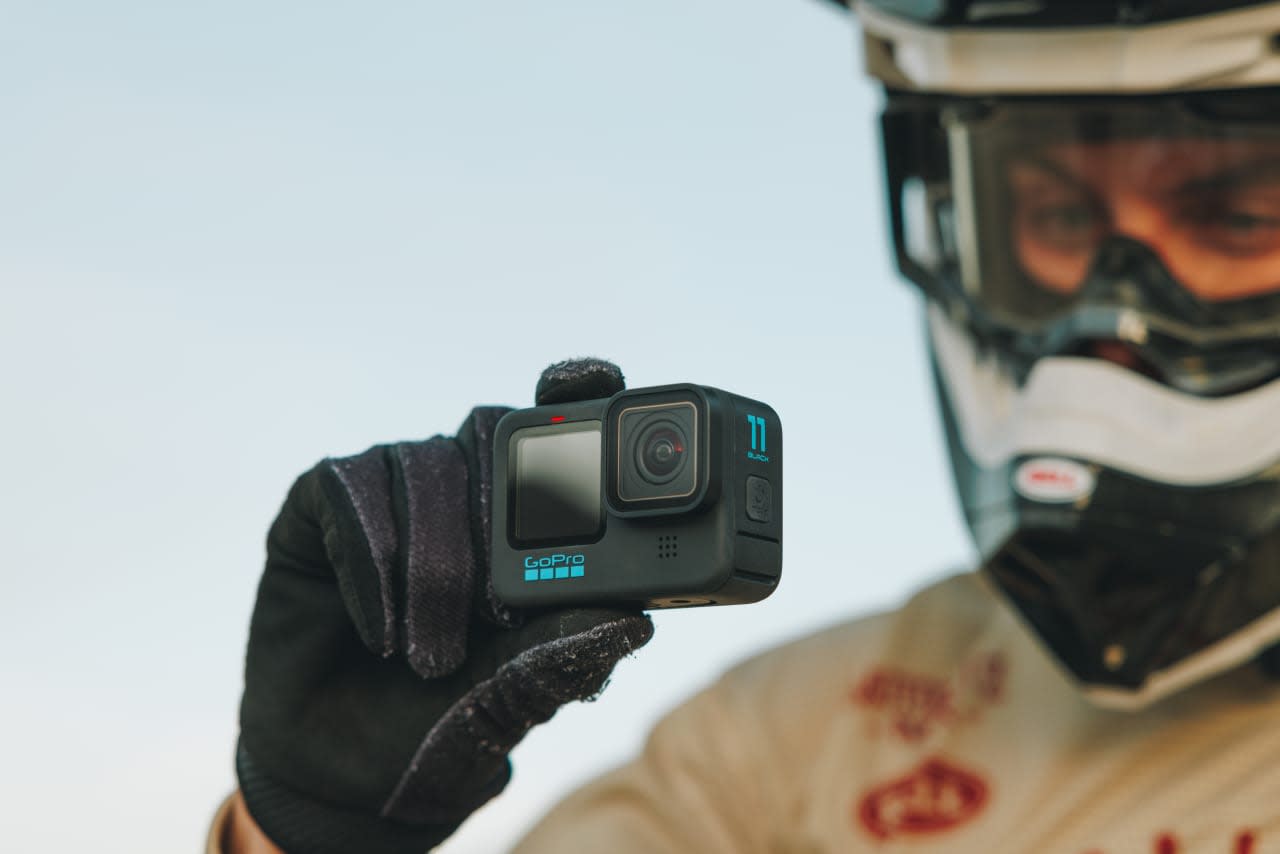
GoPro's market dominance has eroded as smartphone camera advancements rendered their specialized devices unnecessary for casual users. The company now struggles to maintain relevance outside of niche professional and extreme sports markets.
The Rise and Fall of the Action Camera Paradigm
For over a decade, GoPro was synonymous with the action camera category, carving out a unique space in the consumer electronics market. By providing durable, mountable, and high-quality recording devices, the company captured the spirit of extreme sports and adventurous lifestyles. However, the rapid evolution of mobile hardware has fundamentally altered the landscape, forcing GoPro into a defensive position where its utility is increasingly questioned by the average consumer.
The Smartphone as a Disruptive Force
The primary catalyst for this shift is the relentless advancement of smartphone technology. Modern handsets now boast sophisticated multi-lens systems, advanced optical image stabilization, and high-bitrate processing that rival dedicated action cameras. As smartphones became ubiquitous, the friction of carrying a secondary device—the GoPro—became a significant barrier. For most users, the 'good enough' quality of a phone camera, combined with the immediate ability to edit and share footage, has rendered the standalone action camera an obsolete accessory.
Niche Consolidation and Market Reality
As noted by industry analysts, the current market for GoPro has consolidated significantly, moving away from mass-market appeal toward a narrow demographic of hardcore sports enthusiasts and professional creators. These users require specific features that smartphones still struggle to replicate, such as extreme weather resistance, specialized mounting hardware for high-impact environments, and ruggedized casings. Outside of these specific use cases, the mainstream consumer has largely migrated to the convenience of their pocket-sized devices.
Historical Context and Strategic Challenges
Historically, GoPro thrived by creating a new category of consumer electronics. However, the company now faces the classic 'innovator's dilemma' where their core product is being cannibalized by broader technological trends. When a niche product is subsumed by a platform-level technology like the smartphone, the company must either pivot to software-as-a-service (SaaS) models, such as their cloud subscription services, or double down on high-end professional hardware that provides value beyond what a phone can offer.
Future Trends and Market Sustainability
Looking forward, the future of the action camera market will likely be defined by further specialization. We can expect to see a continued divergence where GoPro focuses heavily on unique form factors, such as 360-degree capture or specialized modular sensor technology, to stay ahead of general-purpose smartphone capabilities. As the gap between mobile and dedicated hardware closes further, GoPro’s survival will depend on its ability to maintain its brand equity among the professional and enthusiast communities while accepting that its era of mass-market dominance has likely concluded.
Verification Required?