Greater Noida bus fire: booking manager arrested for negligence
Source Entity
India Latest News: Top National Headlines Today & Breaking News | The Hindu
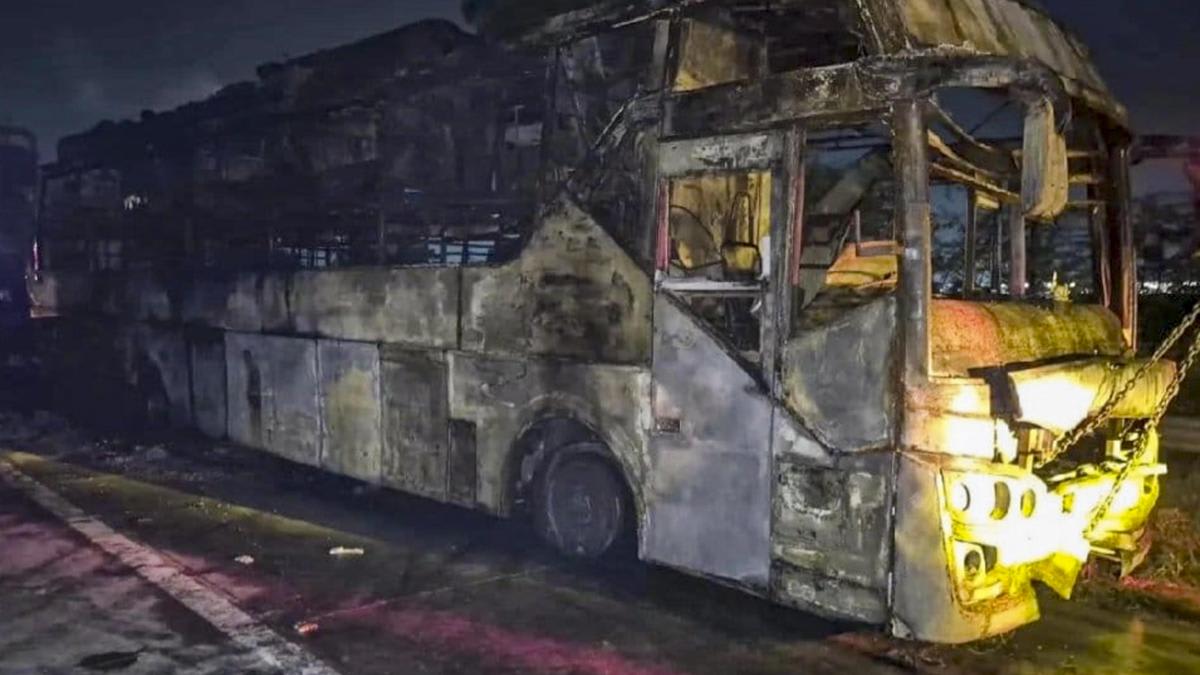
The booking manager of Raj Kalpana Travels has been arrested for criminal negligence following a fatal bus fire on the Yamuna Expressway that killed nine people. Investigations revealed the manager ignored passenger warnings about smoke, while forensic reports point to an AC short circuit as the cause.
Tragedy on the Yamuna Expressway: A Case of Fatal Negligence
The catastrophic bus fire that occurred on the night of September 23 on the Yamuna Expressway has left nine people dead and sparked a rigorous investigation into corporate accountability. The incident, which involved a Raj Kalpana Travels vehicle en route to Mahoba, Uttar Pradesh, has now entered a legal phase with the arrest of the company's booking manager, 42-year-old Vikas Kumar. The police action follows revelations that the tragedy might have been averted had timely warnings been heeded.
The Failure of Communication and Duty
According to Greater Noida police, the investigation into the call detail records (CDR) of the booking manager proved instrumental in the arrest. Evidence suggests that passengers on the bus, which was carrying approximately 35 individuals, proactively contacted Kumar to report smoke and a burning smell emanating from the driver’s cab. Despite these urgent alerts, Kumar failed to take any remedial action or instruct the driver to halt the vehicle. This failure to act, while the bus was located just 5 km from the Noida International Airport, forms the crux of the negligence charges leveled against him.
Technical Origins of the Inferno
While human negligence is the focus of the criminal investigation, authorities have also identified the technical catalyst for the disaster. Preliminary findings indicate that the blaze originated from a short circuit within the bus's air conditioning unit. This technical failure, coupled with the lack of emergency response, created a death trap for the passengers. The tragic loss of lives, including individuals such as IndiGo engineer Shashank Gupta and his mother Sunita, underscores the devastating human cost of lapses in vehicle maintenance and safety protocols.
Broader Implications for Road Safety
This incident highlights critical systemic issues regarding long-distance bus travel in India. The Yamuna Expressway, known for high-speed travel, demands rigorous vehicle fitness standards. When a private operator ignores early warning signs—such as a burning odor reported by passengers—the resulting loss of life reflects a broader failure in the enforcement of safety regulations. The case serves as a grim reminder that passenger safety must be prioritized over operational continuity.
Legal and Future Consequences
As the Jewar police station continues its investigation based on the FIR filed by a survivor, the legal proceedings against Vikas Kumar will likely set a precedent for how booking managers and transport operators are held accountable for negligence. Future safety trends must focus on mandatory fire suppression systems in public transport and strict protocols for drivers and staff when technical anomalies arise. The industry must move toward a culture of transparency where staff are empowered to stop operations immediately upon the detection of potential hazards to prevent such harrowing incidents from recurring.
Verification Required?