'We're a capitalist society': Grindr defends $120 a month premium tier
Source Entity
BBC News
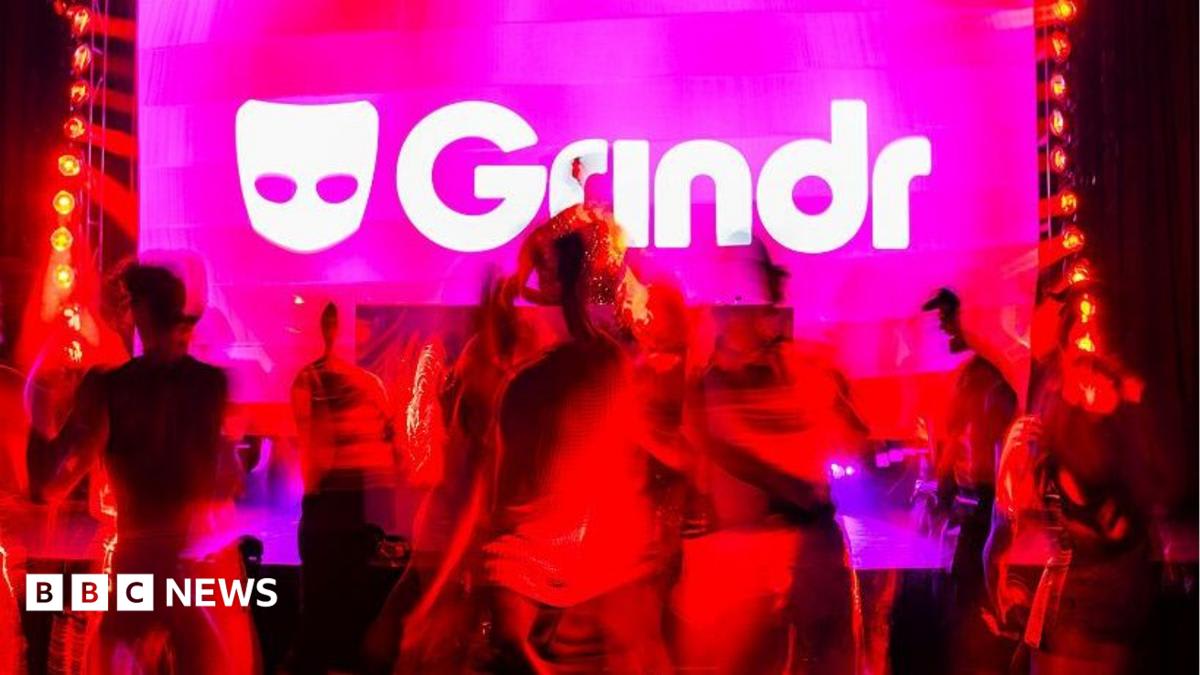
Grindr has launched a new $120-per-month 'Edge' premium tier, which CEO George Arison defends as a capitalistic service for a niche user base. The tier utilizes AI-powered recommendations to enhance matching, though it has met with mixed reactions from the user community.
The Evolution of Dating App Monetization: Grindr's 'Edge' Tier
Grindr, the world's largest LGBTQ+ dating app, has officially launched its most expensive subscription service to date, dubbed 'Edge.' Priced at $120 (£91) per month, the tier represents a significant pivot in the platform's monetization strategy. By positioning this service as an ultra-premium experience, the company is moving beyond traditional subscription models to target a specific subset of its user base, sparking a broader conversation about the commodification of social connection in the digital age.
AI Integration and User Experience
At the core of the 'Edge' service is the integration of AI-powered features designed to refine the user experience. The company claims these tools provide daily personalized profile recommendations, effectively acting as an algorithmic filter to reduce 'scroll fatigue.' By leveraging artificial intelligence to curate potential matches, Grindr is attempting to transition from a discovery-based platform to an efficiency-based one, betting that users will pay a premium for a more streamlined, high-signal dating experience.
The Capitalist Defense
Grindr CEO George Arison has defended the steep price point with a direct reference to the realities of a capitalist society. Arison’s assertion that the service is intended for a 'small community of users' and his suggestion that prices could rise further underscore a commitment to market-driven pricing. This unapologetic stance highlights the tension between social platforms that serve as community hubs and the corporate necessity to maximize shareholder value through aggressive tiered pricing.
Historical Context and Market Strategy
For years, Grindr has relied on a foundational free model supplemented by existing premium tiers ranging from $22.99 to $44.99 per month. The introduction of the $120 tier signals a move toward extreme market segmentation. This strategy is not unique to Grindr; many digital platforms are increasingly looking to 'whale' users—those willing to pay significantly higher fees for exclusive features—to sustain growth as the broader subscription market reaches saturation.
Broader Implications and Future Trends
The reception to this pricing model has been notably mixed, particularly among users in urban centers like San Francisco. This friction points to a future where digital social spaces may become increasingly stratified by wealth. If successful, the 'Edge' model could set a precedent for other social and dating apps to introduce 'ultra-premium' tiers, effectively creating a tiered social experience where access to superior algorithmic matching is gated by significant financial barriers.
Conclusion
Grindr’s decision to launch a $120-per-month tier is a bold, if controversial, experiment in modern app economics. While the company frames it as a value-add for a niche audience seeking efficiency, the move invites scrutiny regarding the accessibility of social platforms. As AI continues to become a central pillar of digital interaction, the question of whether users will consistently pay for 'better' connections will determine the long-term viability of this high-cost strategy.