Play GTA Vice City in the Browser
Source Entity
Hacker News
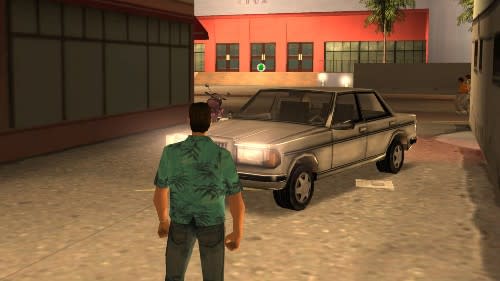
GTA Vice City is now accessible directly through web browsers, allowing players to revisit the 1980s-inspired Miami setting. This development highlights the growing trend of cloud-based gaming and browser accessibility for classic titles.
The Evolution of Browser-Based Gaming: GTA Vice City
The arrival of Grand Theft Auto: Vice City in the browser marks a significant milestone in how we access legacy digital experiences. By shifting a title once tethered to dedicated console hardware or high-end PC installations into a web-based format, developers are democratizing access to one of the most iconic open-world environments in gaming history. The neon-soaked streets of 1986 Miami, which served as the backdrop for Tommy Vercetti’s rise to power, are now accessible via a simple web interface, reflecting a broader trend in the democratization of software.
The Narrative Foundation of Vice City
At its core, the game remains a masterclass in interactive storytelling. Players step into the shoes of Tommy Vercetti, a mobster released after a fifteen-year prison sentence. His mission—to oversee a high-stakes drug deal for the Forelli family—rapidly devolves into a desperate struggle for survival after an ambush leaves him empty-handed. This narrative hook is what solidified Vice City as a cornerstone of the franchise, blending the gritty tropes of 1980s crime cinema with a dynamic, player-driven sandbox.
Technical Implications of Browser Portability
Moving this experience into the browser is more than a simple port; it is an architectural achievement. Historically, browser games were limited to lightweight, 2D experiences. The ability to render the sprawling cityscapes, complex AI behaviors, and physics engines of an open-world classic within a browser environment indicates significant advancements in web-based rendering engines and cloud streaming technologies. This shift suggests that the barrier to entry for gaming is rapidly disappearing, moving toward a future where hardware specifications matter less than internet connectivity.
Cultural Legacy and Economic Impact
Vice City is not merely a game; it is a cultural touchstone that defined the aesthetic of the early 2000s gaming industry. By allowing users to engage with this world through a browser, the developers are tapping into the massive nostalgia market. Tommy Vercetti’s transformation from a low-level enforcer to a kingpin who controls a vast network of businesses serves as a compelling loop that keeps players returning to the city, regardless of the platform.
Future Trends in Software Accessibility
Looking forward, this development suggests that we are entering an era where 'platform-agnostic' gaming is the new standard. As web technologies continue to evolve, we can expect more legacy titles to migrate to browser formats, bypassing the need for modern consoles. This trend is likely to influence how game developers design their initial releases, potentially prioritizing web-friendly architectures to ensure their titles remain accessible to the widest possible audience for decades to come.
Conclusion
In summary, the transition of Grand Theft Auto: Vice City to the browser is a testament to both the enduring quality of the game's design and the rapid progress of web-based technology. By preserving the original experience while enhancing its accessibility, this project ensures that the neon-soaked streets of 1986 Miami remain a playground for both veteran fans and a new generation of players.