How Gujarat used AI to save over 6,000 lions from railway accident
Source Entity
Aditi Raja
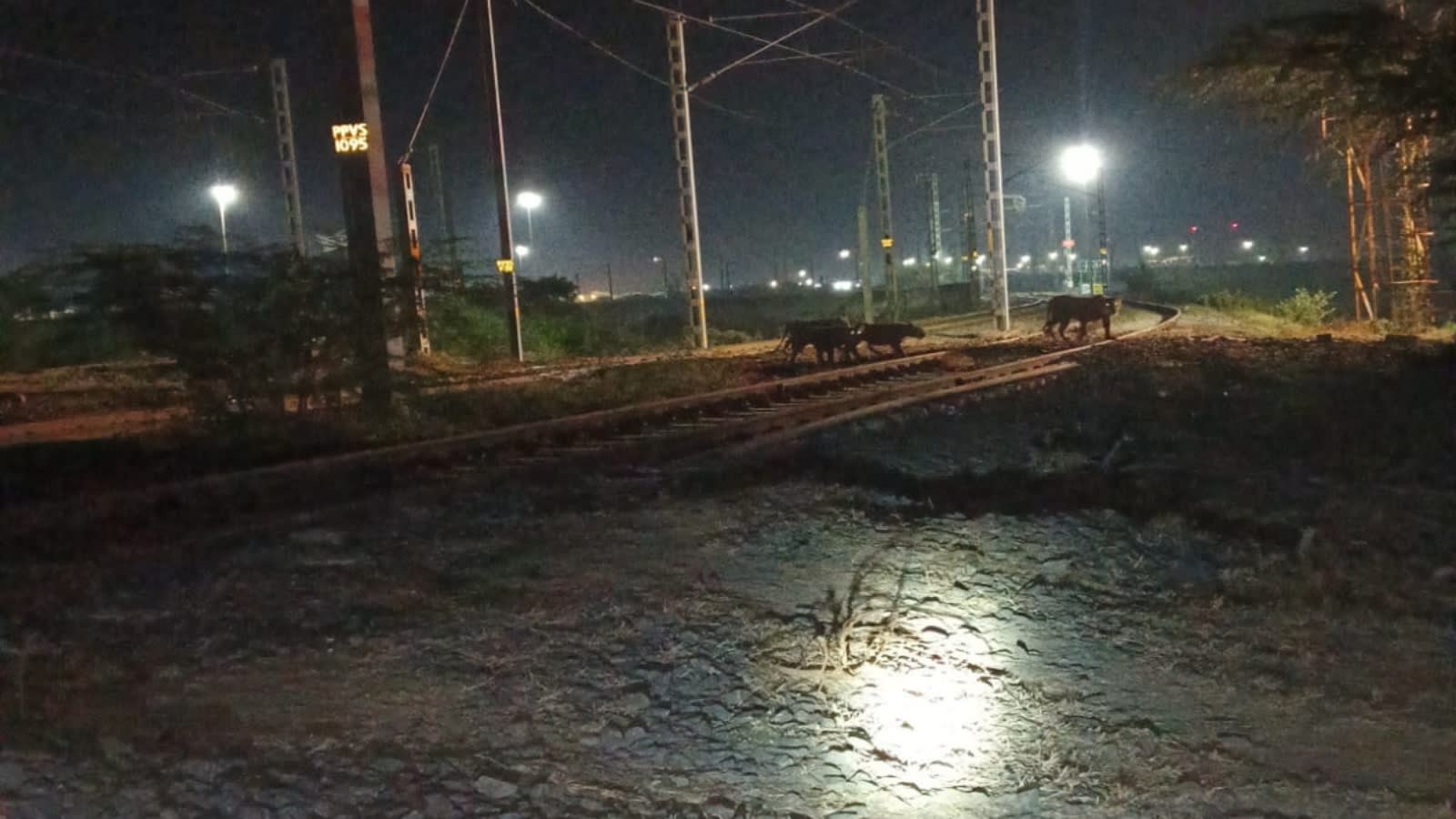
Gujarat has successfully utilized AI-driven surveillance to protect its Asiatic lion population from railway accidents. The initiative, which effectively diverted over 6,600 lions, resulted in zero rail-related deaths between August 2024 and May 2026.
The Digital Guardian: Protecting Asiatic Lions in Gujarat
For years, the Asiatic lion population in the Saurashtra region faced a harrowing reality: the intersection of their natural habitat with the expanding railway infrastructure. Traditionally, the safety of these endangered big cats relied on a labor-intensive manual system where human trackers monitored the tracks, attempting to alert train operators in time to slow down or clear the path. This reactive approach, while well-intentioned, proved insufficient as evidenced by the tragic loss of 19 lions between 2014 and 2024.
Integrating Technology into Wildlife Conservation
The Gujarat government’s recent shift toward an AI-driven surveillance system marks a paradigm shift in wildlife management. By deploying high-tech monitoring tools across the landscape—covering the critical districts of Junagadh, Gir-Somnath, Amreli, and Porbandar—authorities have moved from a reactive stance to a proactive one. This technological intervention allows for the real-time identification of lions near tracks, enabling automated alerts that ensure the safety of the animals without relying solely on the human element.
Tangible Results and Judicial Oversight
The effectiveness of this deployment is underscored by the impressive statistic that 6,682 lions have been safely diverted from railway tracks since the implementation of these measures. This data, presented in an affidavit by Conservator of Forest, Ram Ratan Nala, to the Gujarat High Court, highlights the success of the state’s commitment to addressing the suo motu Public Interest Litigation. The result is a significant milestone: zero lion fatalities due to train collisions between August 2024 and May 2026.
Broader Implications for Wildlife Corridors
This success story serves as a blueprint for balancing infrastructure development with environmental preservation. As India continues to expand its rail network, the conflict between wildlife and human movement becomes increasingly frequent. The integration of AI in Saurashtra demonstrates that technological innovation can act as a bridge between the ecological needs of protected species and the logistical demands of a modernizing nation.
Future Trends and Sustainable Conservation
Looking forward, the use of AI in habitat monitoring is expected to become a standard practice in conservation efforts globally. By leveraging predictive analytics and real-time object detection, authorities can create 'smart' wildlife corridors that adapt to animal movement patterns. If maintained and scaled, this model could drastically reduce human-wildlife conflict not just for lions, but for other endangered species traversing through high-risk zones across the subcontinent.
Conclusion
In summary, the transition from manual tracking to AI-assisted surveillance has effectively mitigated a critical threat to the Asiatic lion. The dramatic reduction in mortality rates confirms that technology is an indispensable ally in wildlife conservation. By merging traditional forest management with modern AI tools, Gujarat has set a replicable standard for the protection of endangered species in high-traffic landscapes.