Children given diabetes medicine instead of paracetamol in Gujarat: What happens when glimepiride is mistakenly administered
Source Entity
The Indian Express
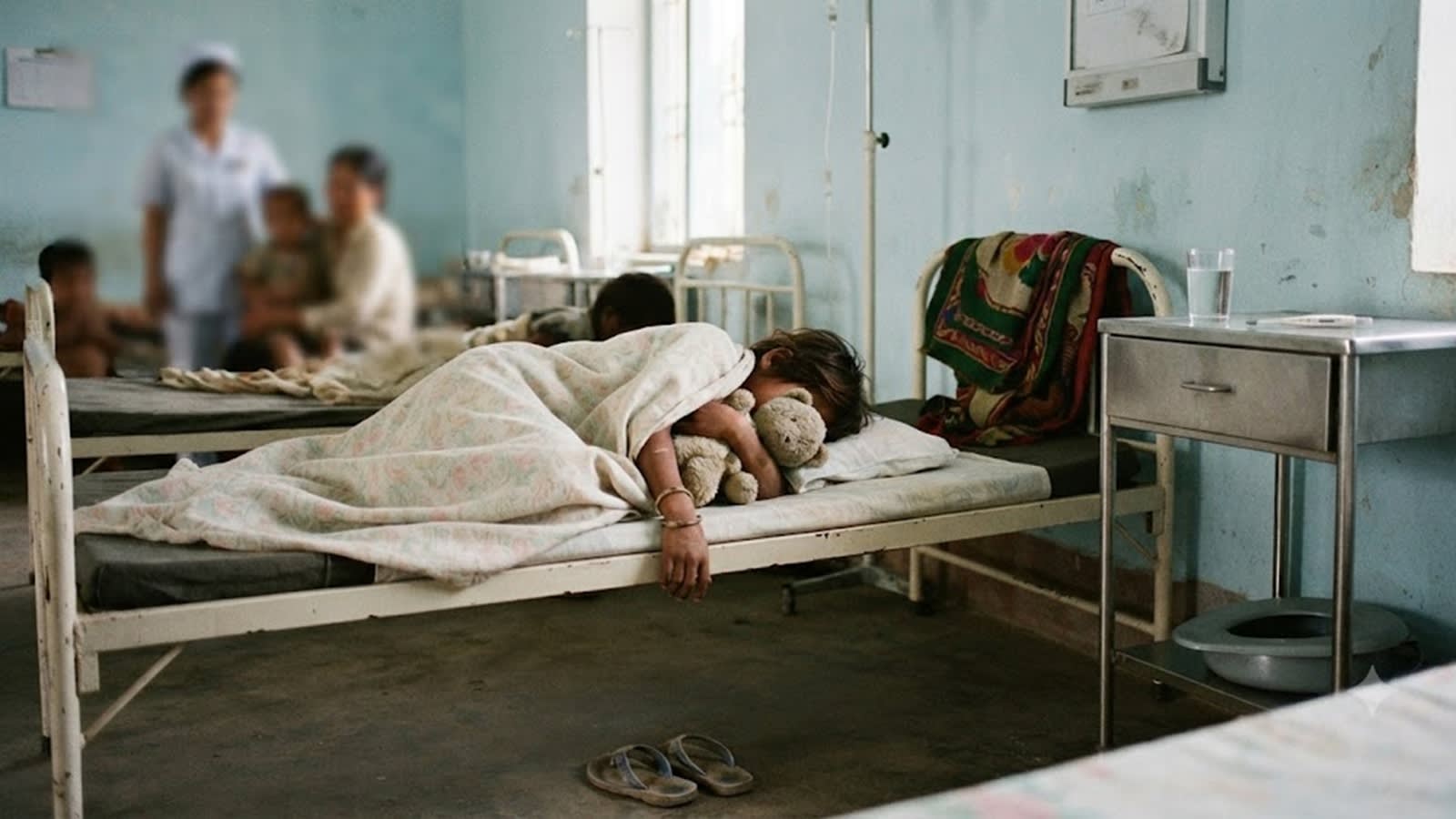
Children in Surat, Gujarat, were accidentally administered glimepiride instead of paracetamol after a vaccination drive. Local health authorities intervened immediately, ensuring the children received medical care, and have initiated disciplinary action against the responsible nurse.
Medical Negligence Incident in Gujarat: An Analysis
The Incident Overview
A distressing case of medical negligence has emerged from a village in Palsana Taluka, Surat, where children were erroneously administered glimepiride—a potent medication typically prescribed for Type 2 diabetes—instead of the intended dose of paracetamol. The mix-up occurred at a local vaccination center, a facility where paracetamol is standardly provided to mitigate post-immunization fever. The error was brought to public attention by Gujarat Health Minister Praful Pansheriya, highlighting a critical lapse in pharmaceutical dispensing protocols.
The Physiological Risks of Glimepiride
Glimepiride belongs to the sulfonylurea class of drugs, which work by stimulating the pancreas to release more insulin. When administered to non-diabetic children, the drug can cause severe hypoglycemia (dangerously low blood sugar). Because children have smaller body mass and different metabolic rates compared to adult diabetic patients, the risk of rapid, life-threatening drops in glucose levels is significantly heightened. Symptoms such as lethargy, dizziness, and potential seizures are common, necessitating immediate clinical intervention.
Swift Government Response
Upon the manifestation of adverse effects in the children, local health teams acted with urgency to transport the affected individuals to a specialized pediatric facility. According to the state health department, four of the children have already been discharged following successful stabilization, while one child remains under medical observation in stable condition. The swift transition from the vaccination center to a hospital setting likely prevented a more catastrophic health outcome, demonstrating the importance of emergency preparedness in rural health infrastructure.
Accountability and Administrative Action
In response to the incident, the Gujarat state administration has taken decisive disciplinary action, including the immediate suspension of the nurse responsible for the error. This administrative move underscores the government's stance on professional negligence in public health delivery. By publicizing the suspension, the authorities aim to signal a zero-tolerance policy regarding the mishandling of medication, which is essential for maintaining public trust in state-sponsored vaccination programs.
Broader Implications for Public Health Safety
The incident serves as a stark reminder of the risks associated with look-alike, sound-alike (LASA) medications and the necessity for rigorous 'double-check' protocols in medical settings. In rural health centers, where resources may be stretched and staff might face high patient volumes, the potential for human error is significant. This case will likely prompt a review of drug storage and labeling practices in Gujarat’s vaccination centers to ensure that high-risk medications like glimepiride are stored in entirely different zones from routine analgesics.
Future Trends and Preventative Measures
Moving forward, the integration of digital health records and barcode-based medication verification could provide a technological safeguard against such errors. As the state evaluates this incident, there is a clear trend toward enhancing training programs for frontline health workers. Ensuring that every health professional is strictly trained in the 'five rights' of medication administration—right patient, right drug, right dose, right route, and right time—remains the most effective strategy to prevent future occurrences of such preventable medical errors.