Gukesh settles for an uncharacteristic quick 20-move draw with White in Game 2
Source Entity
The Indian Express
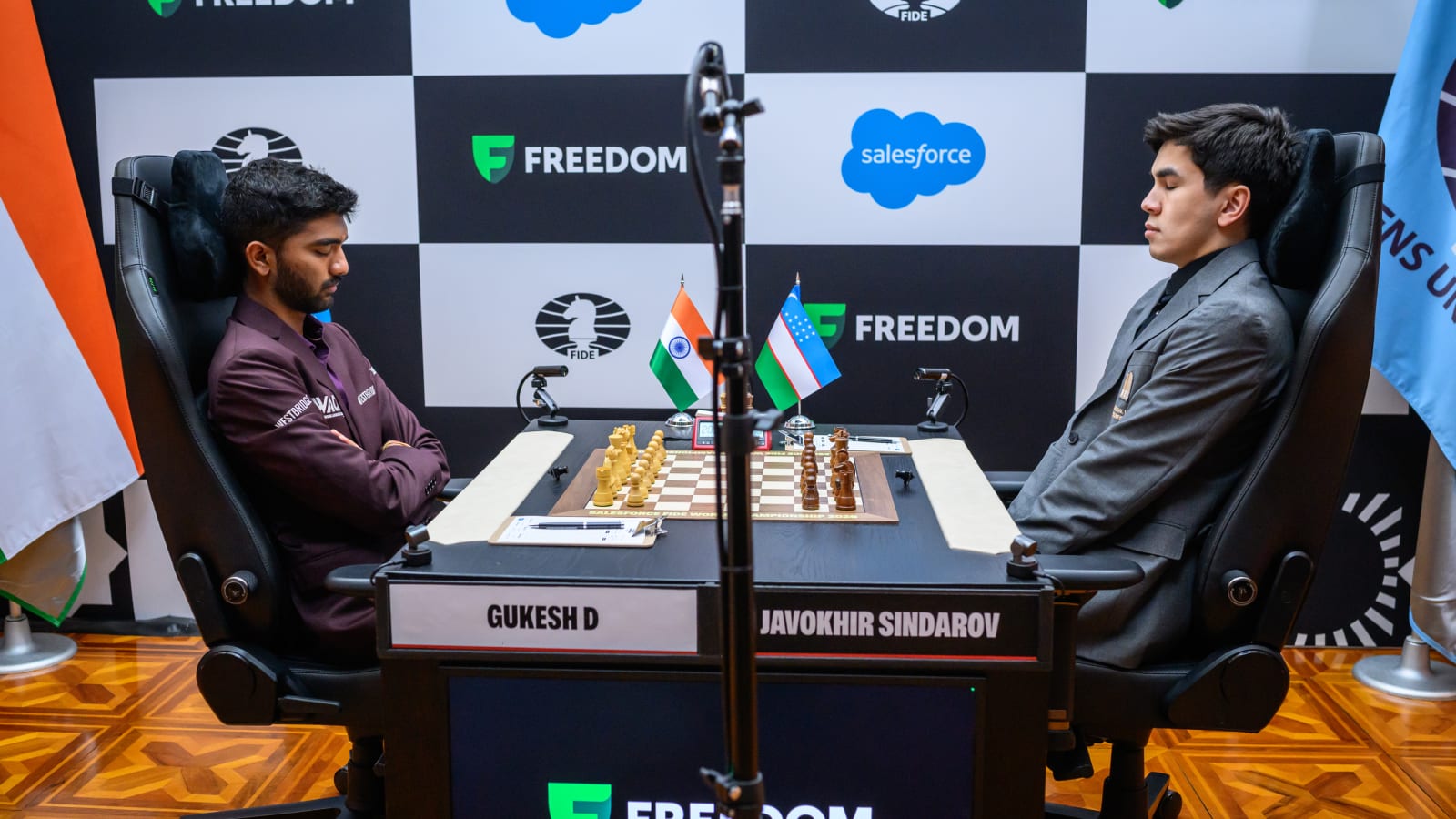
D Gukesh and Javokhir Sindarov opened the 2026 World Chess Championship with a tense draw after 38 moves. The match highlighted Gukesh's resilience under time pressure and Sindarov's observations regarding the meditative habits of Indian grandmasters.
A Tense Start in Geneva
The 2026 World Chess Championship opened in Geneva with a display of high-stakes precision, as reigning champion D Gukesh and challenger Javokhir Sindarov battled to a draw in Game 1. Both competitors, aged 20, represent the vanguard of a new generation of chess talent. The game, which utilized the Berlin Defence, saw Gukesh navigating significant pressure, particularly after falling into a precarious time-trouble situation just 17 moves into the match. This early struggle tested the psychological fortitude of the champion, who had previously cited the mantra “Remember who you are” as a source of personal motivation during recent challenges.
The Strategic Weight of the Berlin Defence
The choice of the Berlin Defence is historically significant, harkening back to Vladimir Kramnik’s legendary 2000 victory over Garry Kasparov. By opting for this solid, defensive structure with the Black pieces, Gukesh signaled a desire for stability against a formidable opponent. The rapid exchange of queens by move eight set the stage for a grind, eventually leading to a stalemate after 38 moves. The conclusion was marked by a moment of procedural drama, where Sindarov incorrectly claimed a draw, resulting in a penalty that granted Gukesh additional time on his clock—a testament to the high-pressure environment of championship play.
Psychological Undercurrents and Cultural Observations
Beyond the board, the match sparked interest regarding the psychological preparation of the participants. In the post-match press conference, Sindarov offered a unique observation regarding his Indian counterparts, noting, “They are always meditating.” This comment, directed at Gukesh and other prominent Indian grandmasters like R Praggnanandhaa and Arjun Erigaisi, highlights the intersection of modern sports psychology and cultural practices in elite chess. Such meditative habits are increasingly viewed as a competitive advantage in maintaining focus during the grueling, multi-hour sessions characteristic of World Championship matches.
Navigating Time Trouble and Tactical Precision
The game served as a stark reminder of the role of time management in modern chess. Gukesh’s ability to survive a phase of “crippling time trouble” and emerge with a draw demonstrates the resilience required at the world-class level. While Sindarov initially appeared to hold the upper hand, his inability to navigate the endgame with enough precision to convert his advantage into a win allowed Gukesh to escape with a draw by three-fold repetition.
Future Implications and Tactical Outlook
As the tournament progresses, the dynamics of color will shift, with Gukesh holding the White pieces for Game 2. The draw in the opening game provides Gukesh with a psychological cushion, having successfully navigated the challenges of playing Black. For Sindarov, the game served as an introduction to the intensity of the championship format. The focus will now shift to how both players adjust their opening repertoires and time management strategies in the upcoming rounds, as the world watches the youngest-ever World Championship match unfold in Geneva.
Multiple Citing Sources