Marathi teachers should poach students from English schools like BJP poaches leaders: Shiv Sena Minister Gulabrao Patil
Source Entity
MANOJ MORE
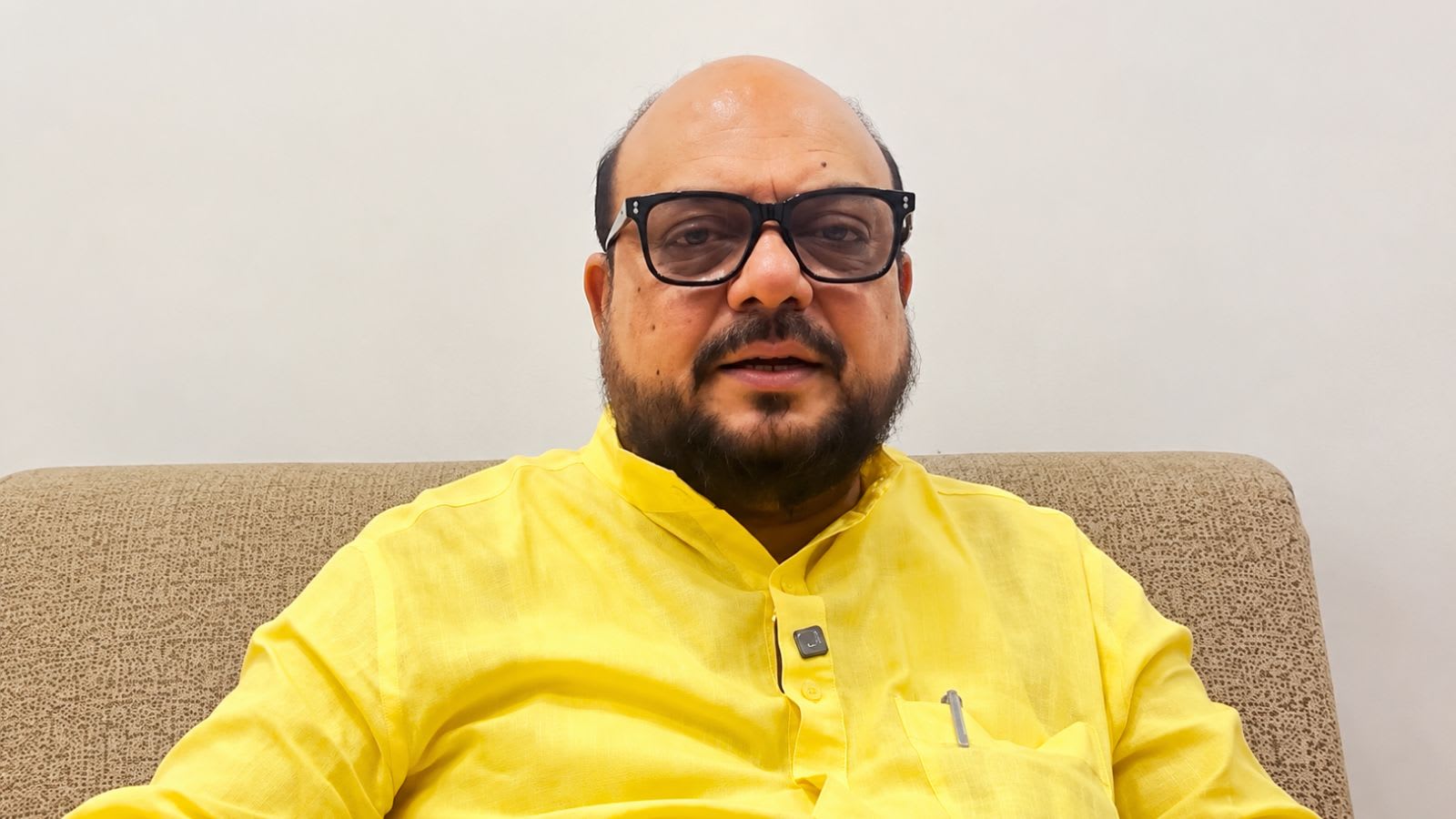
Maharashtra Minister Gulabrao Patil has sparked controversy by urging Marathi teachers to 'poach' students from English-medium schools. The remark, which likened education recruitment to political party switching, has been criticized by the BJP.
The Intersection of Political Rhetoric and Education Policy
Maharashtra Minister and Eknath Shinde-led Shiv Sena leader Gulabrao Patil recently ignited a public debate by suggesting that teachers in Marathi-medium schools should adopt a 'poaching' strategy to attract students from English-medium institutions. Speaking at a Teacher’s Day event in Jalgaon, Patil drew an unconventional parallel between the aggressive recruitment tactics used in contemporary politics—specifically referencing the BJP’s practice of inducting leaders from rival parties—and the enrollment challenges currently facing government-run Marathi schools.
The Crisis of Enrollment in Regional Schools
At the core of Patil’s remarks is the systemic decline in enrollment within vernacular-medium schools across Maharashtra. The Minister acknowledged a shifting cultural paradigm where parents are increasingly prioritizing English-medium education, viewing it as a prerequisite for global competitiveness and upward social mobility. This trend has placed immense pressure on government educators to prove the continued relevance and quality of the Marathi-medium curriculum in an increasingly globalized job market.
Political Friction within the Ruling Coalition
The reaction to Patil’s statement highlights the delicate balance of power within the current Maharashtra government. While Patil represents the Shiv Sena faction led by Eknath Shinde, his choice of analogy—specifically targeting the BJP’s political maneuvers—was swiftly rebuked by the BJP leadership. By describing the comment as 'inappropriate,' the BJP has signaled a clear boundary regarding how political alliances should be discussed in public, even among coalition partners.
Linguistic Identity and Socio-Economic Aspirations
Patil’s rhetoric touches upon the deeper, long-standing struggle to preserve regional language identity against the hegemony of English education in India. Historically, Marathi-medium schools have served as the backbone of rural and semi-urban education, yet they currently face a perception crisis. The Minister’s call to action, while framed in the language of political maneuvering, serves as a desperate plea to keep government schools populated and operational in the face of declining interest.
Broader Implications for Educational Governance
This incident underscores the challenges inherent in merging political discourse with educational administration. By framing student enrollment as an act of 'poaching,' the Minister inadvertently highlights the competitive nature of the modern education market. It suggests that educators are no longer just pedagogical leaders but are now required to act as recruiters in a landscape where schools—both public and private—compete for a shrinking pool of students in certain demographics.
Conclusion: The Future of Vernacular Education
As Maharashtra moves forward, the pressure to revitalize vernacular education remains a critical policy challenge. While Patil’s comments were met with political pushback, they underscore the frustration felt by officials regarding the sustainability of state-run institutions. Ultimately, the future of these schools will likely depend on tangible improvements in facilities and curriculum outcomes rather than rhetorical strategies, as parents continue to evaluate the long-term value of the education their children receive.