Gurugram’s civic infrastructure must match scale of city, says human rights panel
Source Entity
India Latest News: Top National Headlines Today & Breaking News | The Hindu
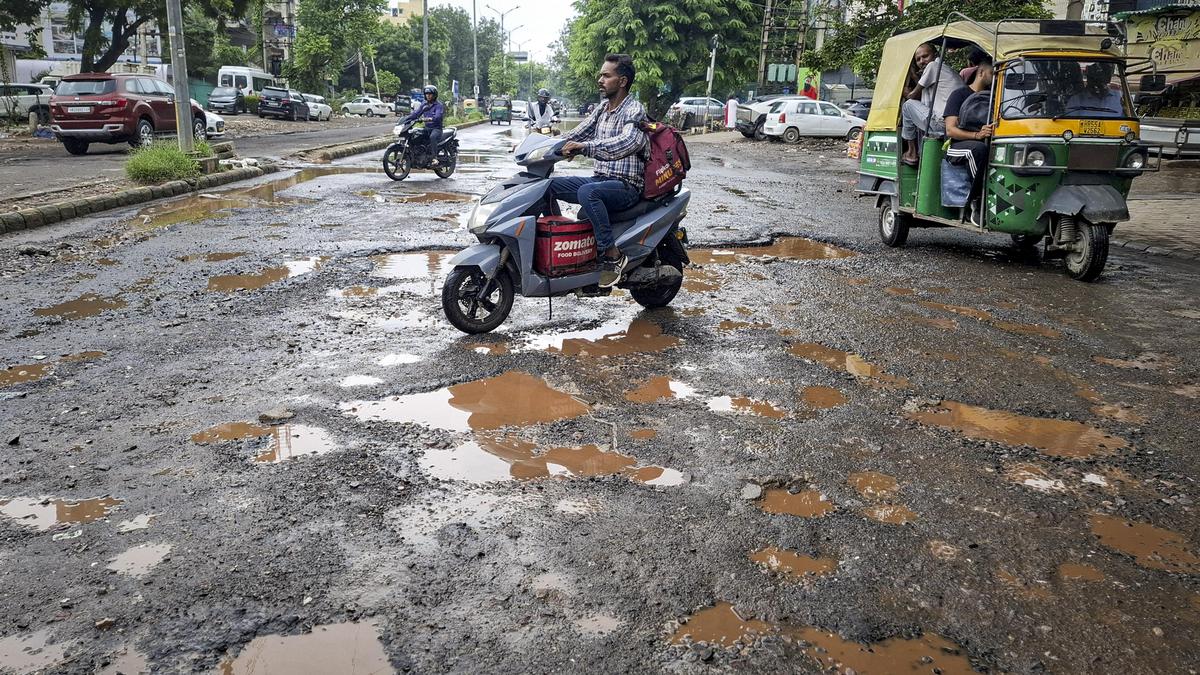
The Haryana Human Rights Commission has intervened in Gurugram's recurring urban flooding crisis, labeling it a failure of infrastructure and planning. The commission has demanded a comprehensive audit and integrated drainage overhaul to protect citizens' rights to life and safety.
The Crisis of Urban Governance in Gurugram
The Haryana Human Rights Commission (HHRC) has taken a decisive stance against the recurring civic collapse in Gurugram, following the catastrophic disruption caused by heavy rainfall on August 24. By initiating suo motu proceedings, the Commission has elevated the issue from a mere municipal maintenance problem to a fundamental human rights concern. The HHRC’s 17-page order underscores that the consistent failure of roads, drainage, and emergency services during the monsoon is not an 'unavoidable' consequence of weather, but a systemic failure of urban planning.
Defining the Right to a Functional City
At the heart of the Commission’s observation is the principle that a resilient, adequately planned, and maintained civic infrastructure is a prerequisite for a dignified life. When essential services like water supply and mobility are paralyzed, the state fails to provide a rights-compliant environment. The Commission’s intervention highlights that the rights to life and dignity are actively infringed upon when citizens are subjected to avoidable dangers, such as road cave-ins—like the one near IFFCO Chowk—and the stranding of schoolchildren during inundation.
Mandated Path to Reform
The HHRC, led by Chairperson Lalit Batra, has moved beyond mere criticism by issuing a mandate for a conjoint compliance report from the relevant civic agencies. The proposed reforms are comprehensive, focusing on an integrated urban drainage revamp that addresses the root causes of waterlogging rather than applying temporary patches. This directive signals a shift toward evidence-based governance, requiring the city to perform a technical audit of the entire drainage network and map natural drains that have been historically obstructed or encroached upon.
Addressing Infrastructure Neglect
The recurring gridlock and infrastructure breakdown in Gurugram highlight a significant gap between the city’s rapid economic expansion and its civic development. By ordering a mapping of encroachments and an emergency mobility plan, the Commission is forcing authorities to confront the consequences of unchecked development that ignores natural topography. The focus on school safety and emergency service access indicates that the Commission prioritizes the protection of the most vulnerable populations who are disproportionately affected by these infrastructure failures.
Future Implications for Urban Planning
This intervention serves as a precedent for other rapidly urbanizing regions in India. It establishes that civic agencies can be held accountable for 'predictable' failures that compromise citizen safety. Moving forward, the success of this directive will depend on the implementation of the integrated infrastructure plan and the transparency of the audit processes. If enforced, this could fundamentally reshape how Gurugram manages its resources, shifting the focus from reactive damage control to proactive, resilient urban design.
Conclusion
The HHRC’s intervention represents a critical turning point for Gurugram. By framing the city’s drainage and infrastructure issues as a violation of human rights, the Commission has created a legal and administrative imperative for change. The city’s future viability now hinges on the ability of state agencies to bridge the gap between its status as a corporate hub and the basic, dignified civic life its citizens deserve.
Verification Required?