‘It could have killed me’: Sia’s Gurgaon crash raises a bigger question – how safe are women bikers on roads?
Source Entity
Asmita Maini
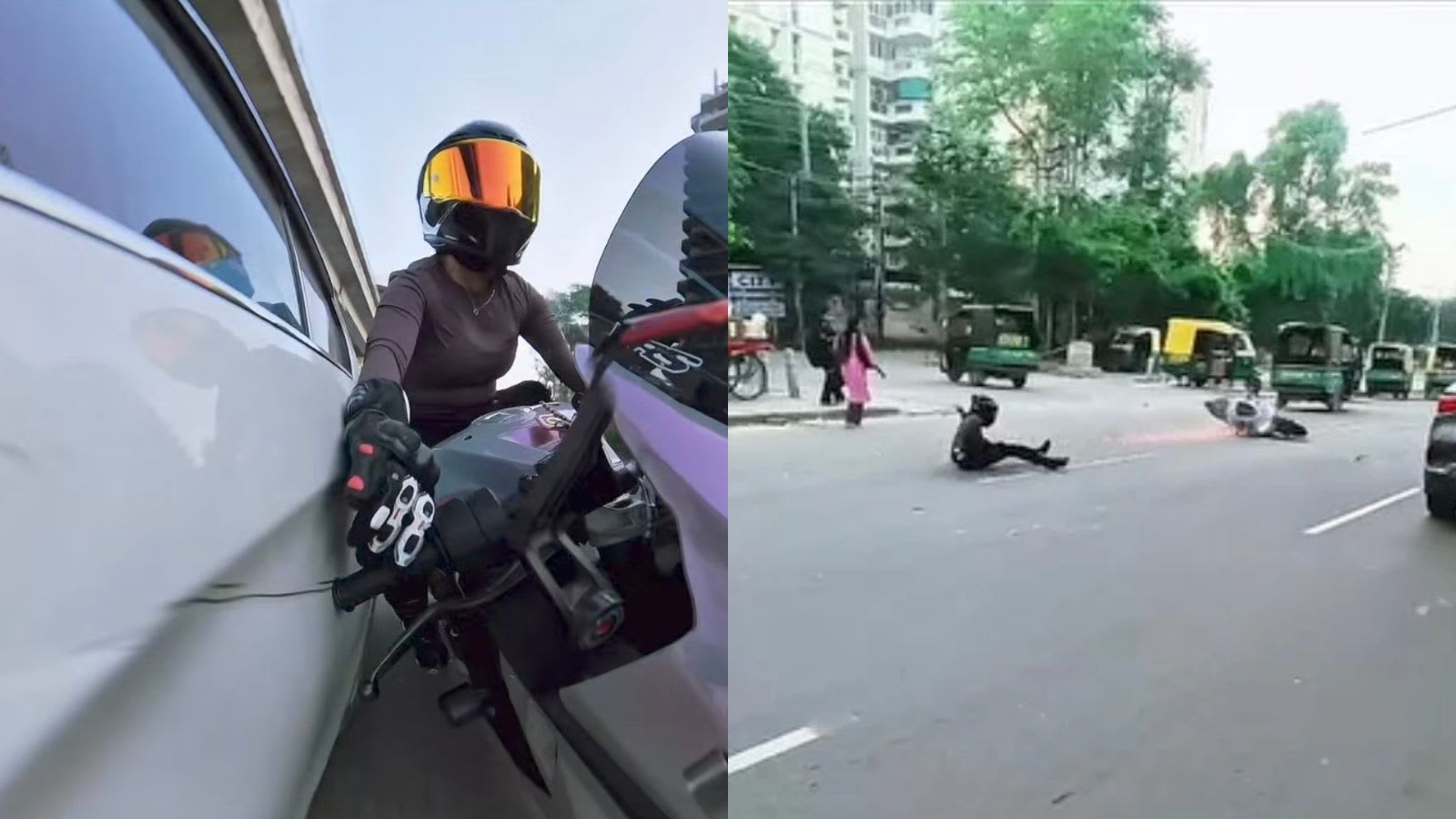
Victim Sia demands further arrests following the hit-and-run in Gurugram involving Kalyan Bainsla. The accused and his cousin are in police custody as authorities investigate the attempted murder charge.
The Gurugram Hit-and-Run: Seeking Accountability Beyond Arrests
The recent hit-and-run incident involving biker Sia in Gurugram has transcended a mere traffic violation, evolving into a significant public debate regarding road safety, accountability, and the treatment of women on Indian roads. Following the arrest of the primary accused, Kalyan Bainsla, and his cousin Lovneesh in Rajasthan, the victim has publicly voiced that the current legal response is insufficient. As the investigation progresses, the focus has shifted toward the culpability of other passengers in the vehicle and the perceived inadequacy of legal repercussions.
Legal Developments and Custodial Investigation
Following their arrest in Rajasthan, Kalyan Bainsla and Lovneesh were produced before a local court and remanded to two days of police custody, ending September 18, 2026. According to Advocate Lalit Bindal, the police custody is essential for recreating the crime scene and determining the whereabouts of other potential co-accused. The severity of the legal response intensified after investigators reviewed footage from the victim’s own bike camera, which allegedly captured the car attempting to maneuver alongside her before the collision. Consequently, authorities have added an attempt-to-murder charge to the case, reflecting the gravity of the incident.
The Victim's Perspective and Public Backlash
Sia, a 27-year-old biker, has been vocal about the systemic failures that often allow such perpetrators to evade meaningful justice. She specifically countered claims made by the accused’s cousin, Kamal, who accused her of "playing the victim card." Sia dismissed these assertions, emphasizing that the collision, which occurred near the Sector 55-56 Rapid Metro station, was a life-threatening event. Her demand for the arrest of all individuals present in the car stems from a concern that if accountability is not absolute, such incidents will continue to plague the roads.
Safety Concerns for Women Riders
Beyond the specifics of the criminal case, this incident has reignited a broader conversation about the safety of women bikers in India. Many female riders, particularly those embarking on long-distance journeys like the route from Chandigarh to Leh, report frequent experiences of being ignored, harassed, or underestimated by other motorists. This environment of hostility often turns routine commuting or touring into a hazardous endeavor, where women feel their safety is perpetually at risk due to the aggressive behavior of other drivers.
The Impotence of Remorse
Sia has notably challenged the performative nature of the accused's "remorse." When the driver expressed sadness regarding the accident, Sia pointedly asked why he did not stop to assist her if he was truly sorry. This lack of immediate aid is a recurring theme in hit-and-run cases, where the priority often shifts to fleeing the scene rather than ensuring the survival of the victim. The victim's skepticism regarding the likelihood of Bainsla securing bail in just three days highlights a deep-seated distrust in the judicial process's ability to deter future offenders.
Broader Implications and Future Trends
As the legal proceedings continue, the case serves as a litmus test for how Indian courts handle vehicular violence involving women. If the investigation fails to identify and charge all occupants of the vehicle, it may reinforce a culture of impunity. Conversely, a rigorous prosecution could set a precedent for how dashboard and helmet-camera evidence is utilized to secure convictions in cases of attempted vehicular homicide. The public pressure exerted by victims like Sia is becoming a critical tool in ensuring that law enforcement remains diligent in pursuing justice beyond the initial arrest.
Multiple Citing Sources