₹173 crore spent, but Gurugram residents still flag sanitation lapses
Source Entity
Latest News: Todays Latest News Headlines from India & World | Hindustan Times | Hindustan Times
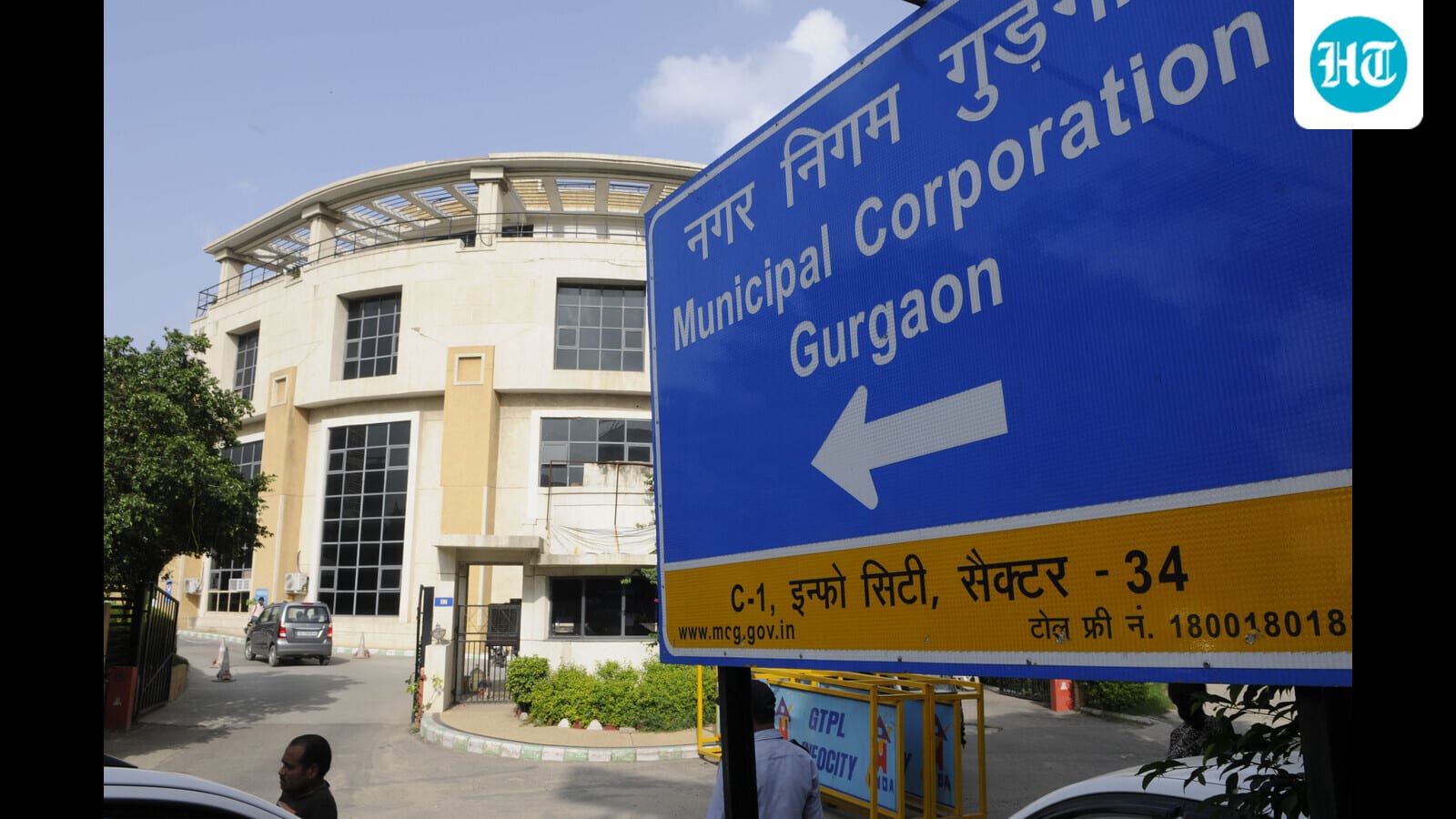
Residents of Gurugram's Sector 70A are struggling with poor infrastructure and sanitation despite the Municipal Corporation spending ₹173 crore on city-wide services. The disconnect highlights a critical lack of accountability and transparency in local governance.
The Infrastructure Crisis in Gurugram’s Sector 70A
Gurugram, often hailed as a symbol of India's rapid urbanization and corporate growth, is facing a stark reality in its residential pockets. Sector 70A, a burgeoning area defined by its high-rise housing societies and strategic connectivity, has become a focal point of civic distress. Residents report a persistent failure in basic infrastructure delivery, characterized by chronic waterlogging, overflowing sewage systems, and severely damaged internal roads. These issues are exacerbated by the inconsistent maintenance of public spaces, including irregular road sweeping and the presence of non-functional streetlights, which collectively diminish the quality of life for the area's inhabitants.
The Accountability Vacuum
A primary driver of the frustration in Sector 70A is the perceived lack of accountability among the various civic agencies tasked with urban management. Residents argue that despite years of development, the area remains in a state of 'civic limbo.' The complexity of bureaucratic oversight in Gurugram—where multiple agencies often share overlapping jurisdictions—creates a scenario where complaints are shuffled between departments without resolution. This structural dysfunction prevents the timely execution of repairs and allows systemic neglect to persist, leaving citizens without a clear point of contact for grievance redressal.
Financial Discrepancies and Transparency Concerns
The tension between citizens and local authorities is further intensified by recent financial data. The Municipal Corporation of Gurugram (MCG) reported an expenditure of ₹173 crore on sanitation-related works between January and August of this year. This significant budget allocation was intended to cover essential services including door-to-door garbage collection, manpower, machinery, and animal management. However, the lack of a component-wise breakup of these expenditures leaves residents questioning the efficacy of these funds, especially when illegal dumping persists near major housing complexes like Pyramid Urban Homes.
Fluctuating Spending Patterns
An analysis of the MCG’s monthly expenditure reveals significant volatility, with spending peaking at ₹37 crore in January and dropping to as low as ₹11 crore in April. While these fluctuations might be attributed to seasonal maintenance needs or administrative cycles, the disconnect between these multi-crore investments and the tangible conditions on the ground in Sector 70A is striking. Without transparent reporting on how these funds are distributed across specific sectors, the public remains skeptical of whether the tax contributions of Gurugram’s residents are being effectively utilized to improve their immediate living environment.
Future Implications and Urban Governance
Looking forward, the case of Sector 70A serves as a microcosm for the challenges facing rapidly expanding satellite cities in India. As urban populations continue to swell, the pressure on civic infrastructure will only increase. For Gurugram to maintain its status as a premier residential and business hub, it must transition toward a more integrated governance model. Future trends suggest that unless authorities implement centralized monitoring systems and provide granular transparency regarding municipal spending, the trust gap between the administration and the public will continue to widen, potentially leading to further civil unrest and a decline in property value and resident satisfaction.
Verification Required?