Gurugram residents flag sewage overflow, waterlogging around Tulip Chowk
Source Entity
Latest News: Todays Latest News Headlines from India & World | Hindustan Times | Hindustan Times
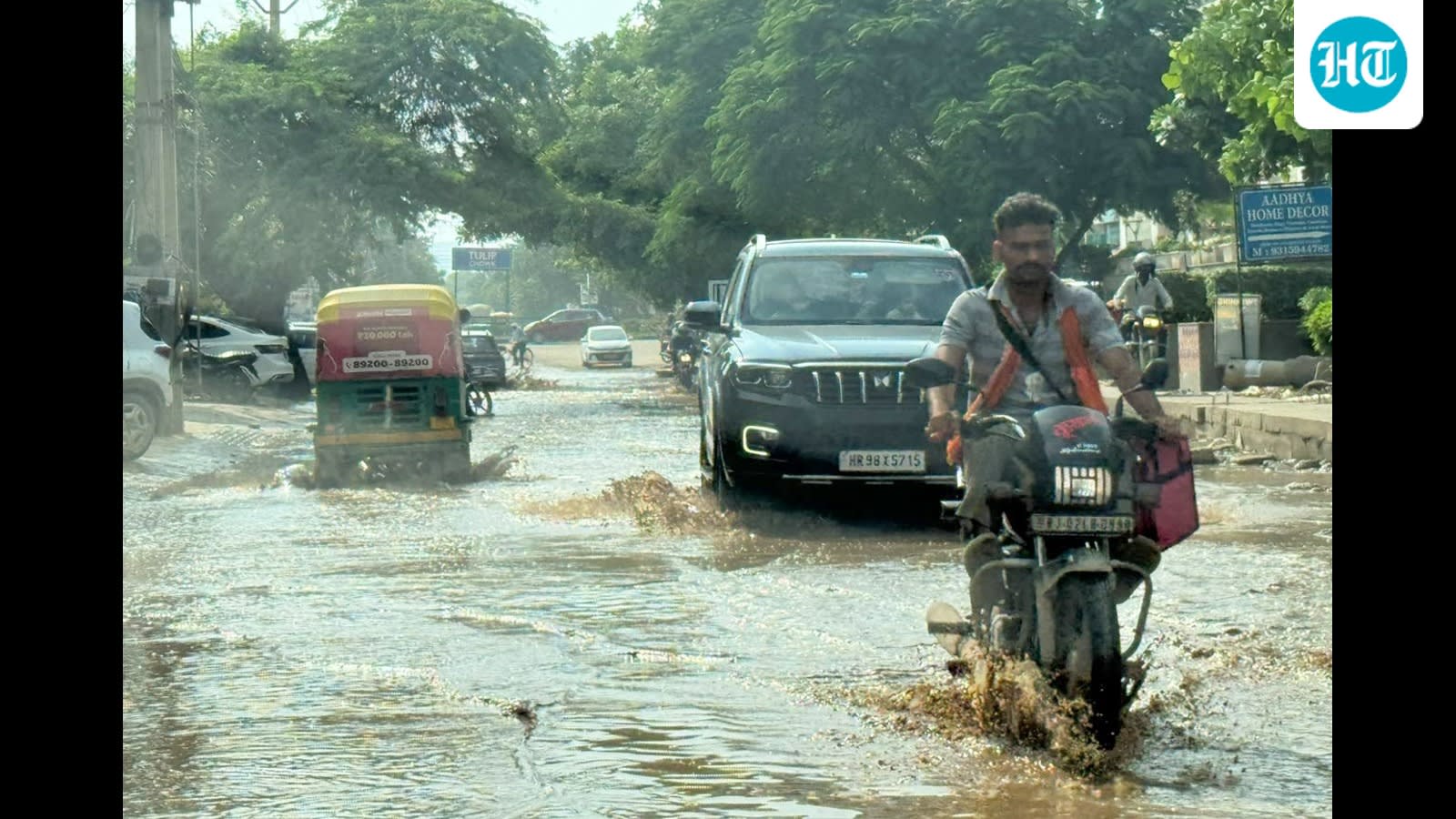
Residents of Gurugram's Sector 69 are protesting persistent sewage overflow and waterlogging at Tulip Chowk. While locals blame inadequate infrastructure, the GMDA has promised drainage upgrades within six months.
Infrastructure Crisis at Tulip Chowk: A Deep Dive
The Immediate Crisis
The residents of Sector 69 in Gurugram are currently grappling with a severe urban infrastructure failure centered around Tulip Chowk. Reports indicate that the intersection has become a hub for sewage overflow and chronic waterlogging, creating hazardous conditions for both pedestrians and motorists. The accumulation of stagnant sewage and slush is not merely a localized nuisance but a significant public health and safety concern that disrupts the daily commute for those living in the eight residential societies situated in the immediate vicinity.
Root Causes: Capacity and Connectivity
At the heart of the issue lies a fundamental disconnect between the rapid pace of residential development and the supporting utility infrastructure. Residents have pointed to inadequate Sewage Treatment Plant (STP) capacity as a primary driver of the overflow. When the volume of discharge exceeds the capacity of the current network, the system inevitably fails, resulting in the untreated waste surfacing on public roads. This suggests that the existing sewerage network was likely designed for a lower population density than what is currently present in Sector 69.
The Failure of Temporary Mitigation
For months, the standard operational response to this flooding has been the use of water pumps to clear the stagnant liquid. However, residents correctly identify this as a superficial fix that fails to address the underlying structural deficit. Relying on pumping provides only temporary relief, leaving the road surface vulnerable to prolonged exposure to sewage. This constant saturation has begun to cause physical damage to the Ready-Mix Concrete (RMC) roads, further degrading the area's transport infrastructure and forcing vendors and pedestrians into unsafe conditions on footpaths.
GMDA Response and Future Outlook
In response to the mounting public pressure, the Gurugram Metropolitan Development Authority (GMDA) has stated that work to lay new drainage infrastructure is underway. The authority has projected a six-month timeline for the completion of these works. If successful, this project could represent a transition from reactive, temporary measures to a permanent, systemic solution capable of handling the current residential load.
Broader Urban Implications
The situation at Tulip Chowk serves as a microcosm of the challenges facing rapidly urbanizing hubs like Gurugram. As high-density residential clusters continue to expand, the pressure on municipal services intensifies. The failure to synchronize civil engineering projects with real estate development often leads to these exact scenarios, where basic sanitation and transit are compromised. Moving forward, the success of the GMDA’s intervention will be a critical litmus test for whether the city can effectively manage its aging or undersized utility networks while continuing to support its growing population.
Verification Required?