Former DGP Tomin Thachankary approaches Kerala HC in appeal against disproportionate assets case conviction
Source Entity
India Latest News: Top National Headlines Today & Breaking News | The Hindu
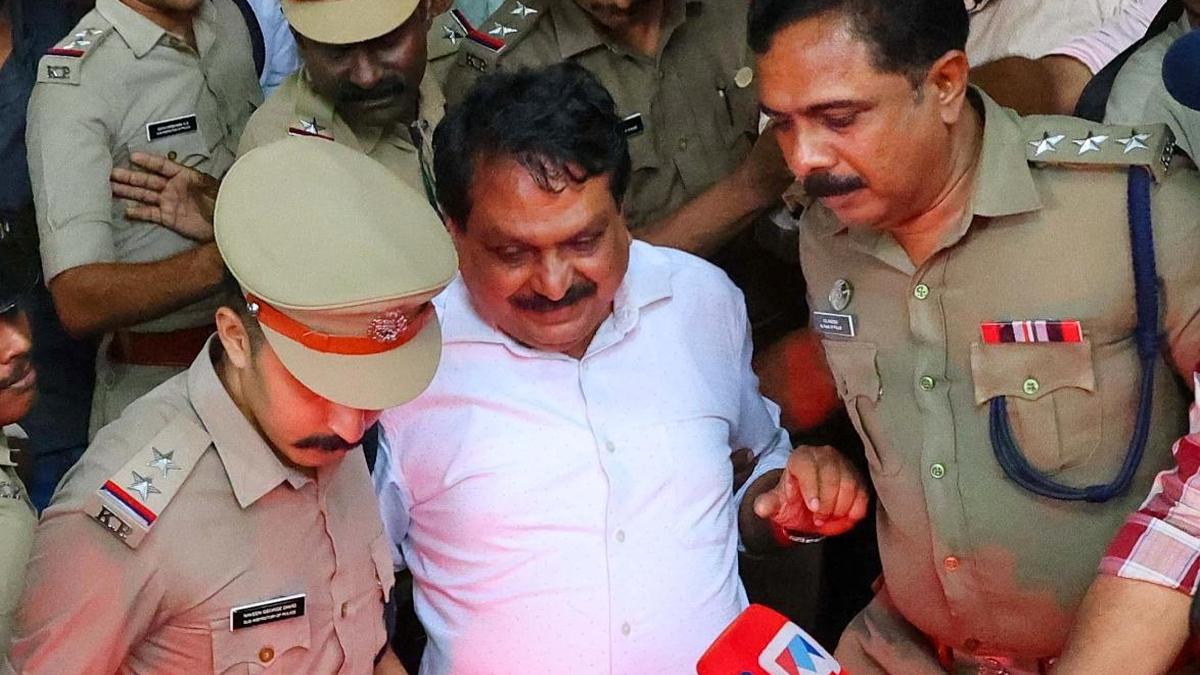
Former Kerala DGP Tomin Thachankary has filed an appeal in the Kerala High Court challenging his conviction in a disproportionate assets case. He argues that the trial court miscalculated his income sources and ignored his wife's independent earnings.
Legal Challenge to Conviction
Former Director General of Police (DGP) Tomin J. Thachankary has officially initiated an appeal process in the Kerala High Court. This legal move comes as a direct response to a recent Vigilance Court order that found him guilty in a high-profile disproportionate assets case. The case centers on allegations that the retired officer amassed wealth beyond his known sources of income, a charge that carries significant professional and legal consequences for high-ranking public officials.
Disputing Financial Calculations
At the heart of Mr. Thachankary’s appeal is a technical challenge regarding the accounting methods employed by the prosecution. He contends that the state failed to accurately calculate his rental and property income, leading to an inflated assessment of his total assets. By questioning the mathematical foundation of the prosecution's case, the former DGP is attempting to dismantle the core evidence used to secure the initial conviction.
The Role of Independent Assets
Furthermore, the appellant argues that the trial court overlooked critical financial data, specifically regarding his wife’s independent business ventures and agricultural properties. Thachankary maintains that these assets were legally acquired and should not have been bundled into the calculation of his personal wealth. This highlights a common complexity in corruption litigation involving public servants, where the separation of personal and familial assets becomes a point of intense forensic debate.
Procedural and Tax Considerations
Thachankary has specifically pointed to the trial court's failure to consider his revised income tax returns as a significant procedural oversight. He asserts that these documents provide a clearer, more accurate picture of his legitimate income during the investigation period. The argument suggests that had the court properly vetted these filings, it would have arrived at a different conclusion regarding the alleged surplus wealth.
Evaluating Expenditure Claims
Beyond his income, the appellant claims the trial court erroneously included expenditures that were never actually incurred. By challenging these phantom costs, Thachankary is arguing that the prosecution’s model for determining 'disproportionate' wealth was fundamentally flawed. He posits that the court’s failure to differentiate between projected and actual spending led to an unfair conviction that does not reflect his true financial status.
Broader Implications and Future Outlook
This case underscores the rigorous scrutiny public servants face regarding their financial disclosures. As the Kerala High Court prepares to review the appeal, the outcome will likely hinge on the judicial interpretation of financial evidence and the burden of proof required in corruption cases. The case serves as a reminder of the delicate balance between ensuring institutional integrity and protecting the rights of individuals against potentially erroneous prosecution calculations.
Verification Required?