Hans Niemann reacts to ‘Rakhi Sawant of Chess’ tag: ‘Not sure who she is’
Source Entity
The Indian Express
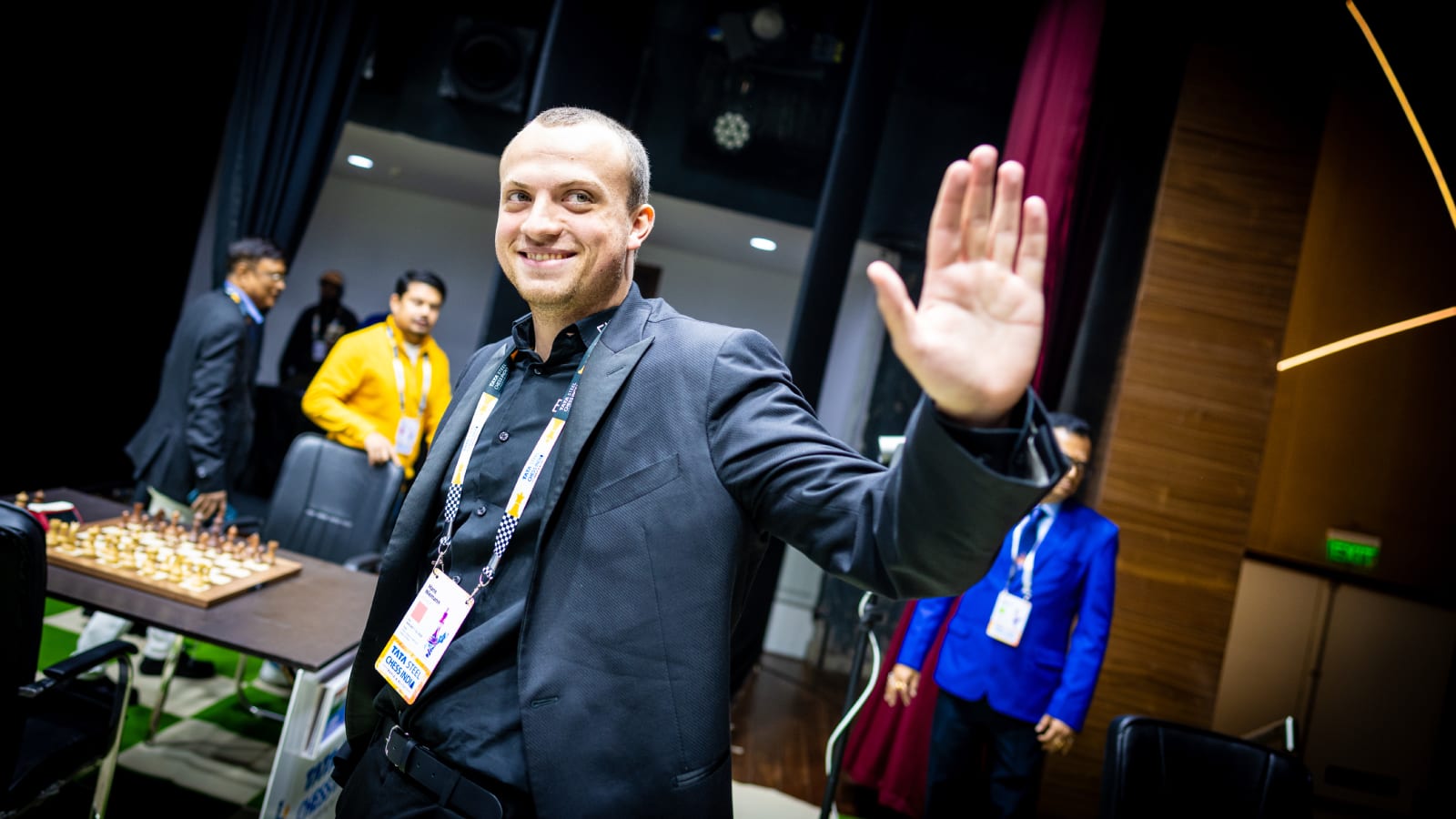
Grandmaster Hans Niemann has publicly dismissed a comparison made by influencer Shraddha Jain, who likened him to Indian reality star Rakhi Sawant. Niemann expressed confusion and offense, particularly criticizing ChessBase India for using a juxtaposition image of the two.
The Intersection of Chess and Pop Culture
The recent exchange between American grandmaster Hans Niemann and Indian content creator Shraddha Jain—widely known as 'Aiyyo Shraddha'—highlights the increasingly blurred lines between professional sports and digital influencer culture. When Jain, during an interview with ChessBase India, characterized Niemann as the 'Rakhi Sawant of chess,' she was likely drawing a parallel between Niemann’s polarizing reputation in the global chess circuit and Sawant’s history of generating headlines through sensationalist reality television appearances in India.
Niemann’s Response and Disavowal
Niemann’s reaction, voiced via the social media platform X, was one of bemusement and mild indignation. By explicitly stating, 'Not sure who Rakhi Sawant is but I don’t really understand the comparison,' Niemann signaled a cultural disconnect between his American professional experience and the specific, localized celebrity status of Rakhi Sawant. This interaction underscores how international figures often find themselves subject to cultural analogies that do not translate across borders, leading to confusion rather than clarity.
The Role of Media Framing
Beyond the initial remark, Niemann’s critique shifted toward ChessBase India, a prominent media outlet in the chess community. He took specific offense at the editorial decision to feature a side-by-side thumbnail of him and Sawant, the latter of whom was depicted wearing 'fake devil horns.' Niemann noted that, 'CB India is usually wholesome, not comparing me to someone with devil horns,' suggesting that he feels the media has crossed a boundary from professional coverage into personal lampooning.
Broader Implications for Athlete Branding
This incident reflects a broader trend where professional athletes are increasingly scrutinized not just for their performance on the board, but for their 'brand' and public persona. In the digital age, journalists and influencers are constantly seeking ways to contextualize complex figures for their audiences. However, as this case demonstrates, such attempts at cultural shorthand can be perceived as disrespectful or inflammatory by the subject, potentially straining the relationships between athletes and the media outlets that cover them.
Future Trends in Chess Journalism
As chess continues to grow in popularity, the pressure on specialized media outlets to produce viral content will only intensify. This incident serves as a cautionary tale for outlets balancing the need for engagement with the need for journalistic integrity. Moving forward, creators will need to navigate the delicate balance of offering insightful commentary without resorting to comparisons that may alienate the high-profile individuals they aim to feature in their content.
Concluding Thoughts
The clash between Niemann and the portrayal by ChessBase India illustrates the tension inherent in modern sports media. While influence and virality are prioritized, the human element of the athlete remains paramount. Ultimately, this exchange highlights the friction that occurs when global sports figures are integrated into local pop-culture narratives, creating a unique, albeit contentious, moment in the digital history of the chess world.