Uttarakhand Police write to CBI for 2003 case files in fresh rape complaint against Congress leader
Source Entity
Latest News: Todays Latest News Headlines from India & World | Hindustan Times
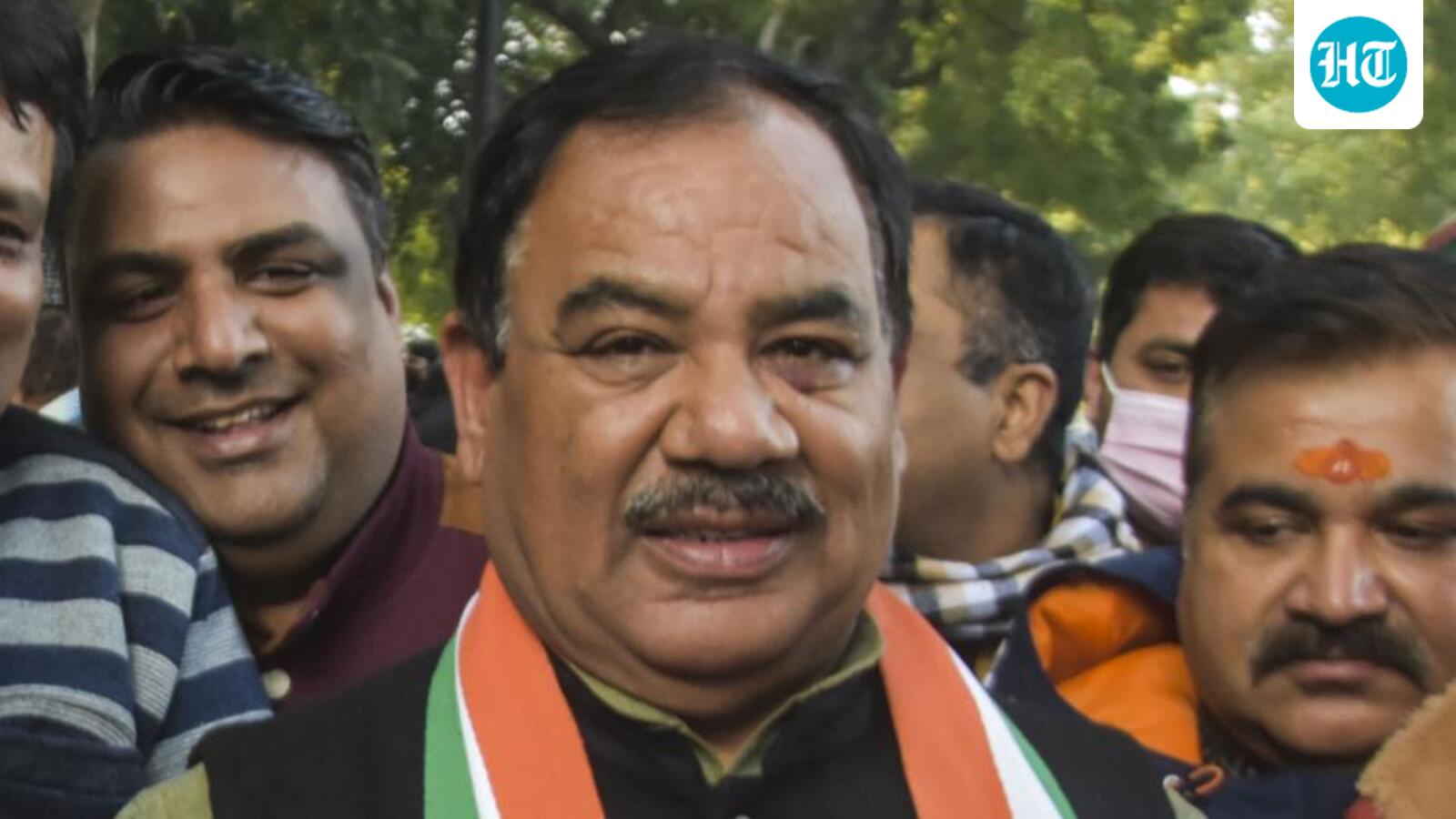
Uttarakhand Police have requested 2003 and 2016 case records from the CBI following new rape allegations against Congress leader Harak Singh Rawat. Rawat has dismissed the charges as a politically motivated conspiracy by the BJP ahead of upcoming assembly polls.
Political Turmoil in Uttarakhand: The Case Against Harak Singh Rawat
The Resurgence of Past Allegations
The political landscape in Uttarakhand has been significantly destabilized following a fresh rape complaint filed by a 39-year-old woman from Assam against veteran Congress leader Harak Singh Rawat. In response to these serious accusations, the Uttarakhand Police have taken the procedural step of contacting the Central Bureau of Investigation (CBI) and Delhi Police to retrieve case files dating back to 2003 and 2016. This move indicates a rigorous, if high-stakes, effort to cross-reference historical litigation with current allegations, marking a pivotal moment in the state’s pre-election discourse.
Historical Context of the 2003 Case
To understand the gravity of these requests, one must look at the historical precedent of 2003. At that time, Harak Singh Rawat was forced to resign from his ministerial position following allegations by the same complainant, who claimed he had fathered her child. The subsequent investigation, handled by the CBI, culminated in a DNA test that returned negative results. This scientific exoneration led to a formal closure report, effectively clearing his name at the time. The decision to revisit these closed files suggests that authorities are looking for potential inconsistencies or patterns that may have been overlooked in previous decades.
The Intersection of Law and Political Strategy
Congress leader Harak Singh Rawat has vehemently denied the recent accusations, characterizing them as a calculated political conspiracy orchestrated by the ruling Bharatiya Janata Party (BJP). He argues that the timing of these allegations is not coincidental, suggesting they are designed to shift public focus away from the high-profile 2022 Pauri Garhwal receptionist murder case. By framing the complaint as a diversionary tactic, Rawat is attempting to shift the narrative from his personal conduct to the perceived political desperation of his opponents.
Broader Implications for State Assembly Polls
As Uttarakhand approaches critical assembly elections, the weaponization of criminal complaints has become a central theme in the political rhetoric of both the BJP and Congress. The legal entanglement of a prominent figure like Rawat serves as a catalyst for deeper public scrutiny into the integrity of political candidates. This situation underscores the fragile nature of political stability in the state, where legal battles frequently transcend the courtroom to become decisive factors in voter sentiment.
Future Trends and Judicial Oversight
The outcome of this police inquiry will likely set a tone for the remainder of the election cycle. If the investigation into the 2003 and 2016 files yields new evidence, it could irrevocably alter Rawat’s political career. Conversely, if the investigation fails to corroborate the new claims, the BJP may face significant backlash for participating in what might be perceived as a smear campaign. The reliance on historical records highlights the importance of institutional memory in law enforcement, ensuring that past judicial findings remain relevant in evaluating contemporary claims of misconduct.
Verification Required?