‘Look at Messi’: Harbhajan says age no bar for Virat, Rohit to play 2027 WC
Source Entity
The Indian Express
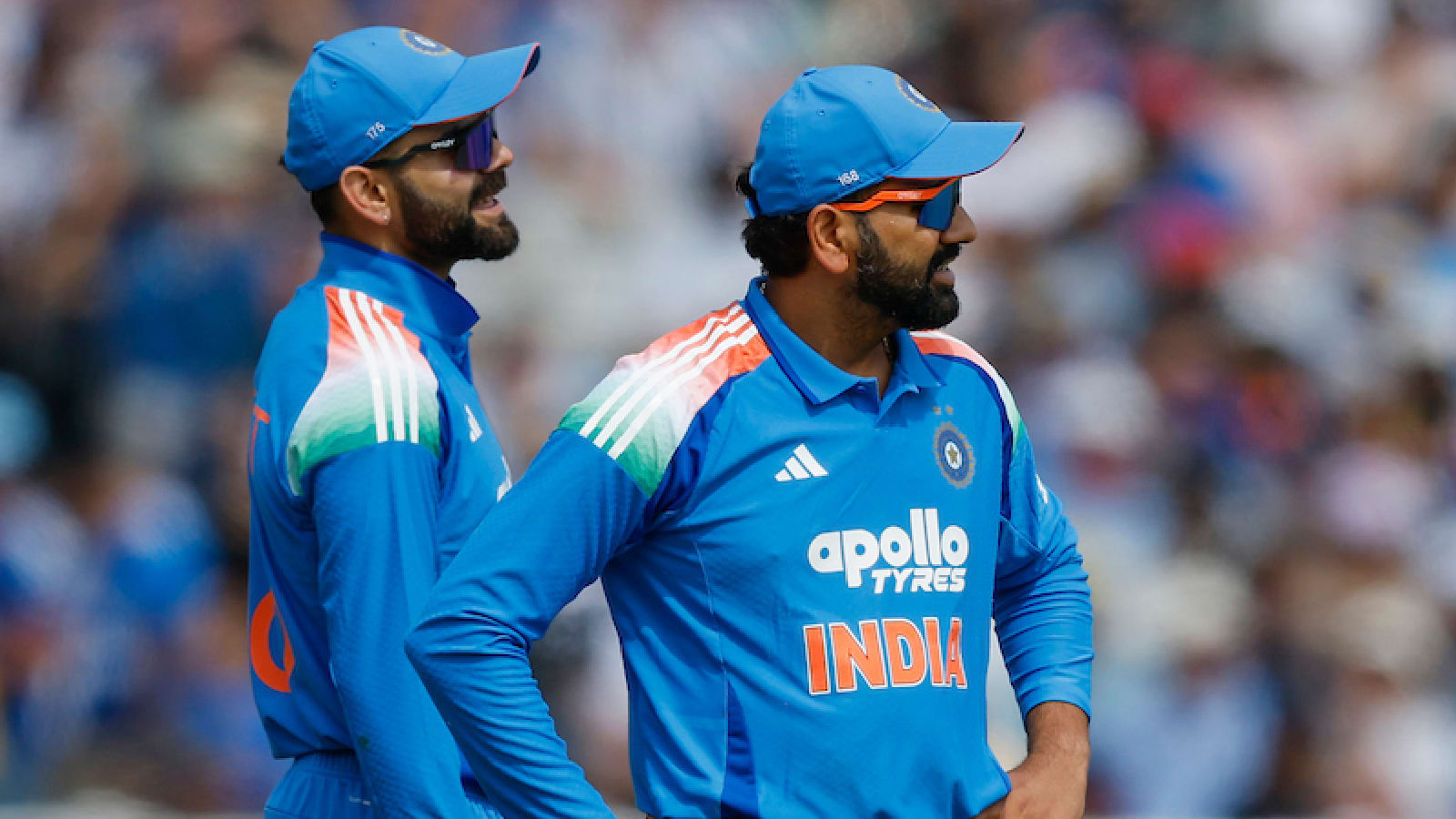
Harbhajan Singh has publicly backed Virat Kohli and Rohit Sharma for the 2027 World Cup, citing Lionel Messi's longevity as proof that performance should outweigh age. He also defended head coach Gautam Gambhir, urging critics to look beyond recent Test match struggles.
The Longevity Debate: Harbhajan Singh’s Vision for Indian Cricket
Former Indian spin legend Harbhajan Singh has sparked a significant conversation regarding the future of Indian cricket, specifically addressing the career trajectories of veterans Virat Kohli and Rohit Sharma. In a recent podcast, Harbhajan drew a compelling parallel between the fitness standards of these Indian icons and Argentine football legend Lionel Messi. By highlighting that Messi remains a dominant force on the global stage at 39, Harbhajan makes a strong case for shifting the discourse from a player's chronological age to their actual on-field output.
Prioritizing Performance Over Age
Harbhajan’s core argument centers on the philosophy that fitness and skill should be the primary determinants for selection, rather than an arbitrary age ceiling. He explicitly stated that if Kohli can outperform younger players in physical metrics and maintain his technical prowess, there is no logical reason to exclude him from the 2027 ODI World Cup plans. This perspective challenges the traditional 'youth-first' policy often seen in international sports, suggesting that in the modern era of sports science, elite athletes can maintain peak performance levels well into their late 30s.
Defending the Coach: The Gambhir Context
Beyond personnel, Harbhajan also addressed the intense scrutiny surrounding head coach Gautam Gambhir. While acknowledging that the Indian Test team has endured a difficult period—marked by heavy defeats against Australia, New Zealand, and South Africa—Harbhajan pushed back against the narrative that solely blames the coach for these systemic failures. He characterized Gambhir as a 'badhiya banda' (a good person) and a passionate individual, suggesting that the public's negative reaction to Gambhir's direct communication style is a matter of perception rather than professional incompetence.
Understanding the Criticism
It is important to contextualize this defense within the recent performance of the Indian Test team. While Gambhir’s tenure has seen frustration from fans and experts due to home-series whitewashes, Harbhajan suggests that the 'flak' is disproportionate. He emphasizes that the blame culture inherent in high-stakes sports often unfairly targets the leadership, ignoring the complexities of team transitions and the reality of facing formidable international opposition.
Historical Perspective and Future Outlook
Harbhajan’s comments offer a bridge between the 'old guard' mentality and the current demands of professional cricket. By referencing his personal history with Gambhir—noting his intense nature even as a young player alongside peers like Virender Sehwag—he provides a nuanced view of the coach's personality. As the Indian team looks toward future ICC events, the debate ignited by Harbhajan underscores a critical crossroads: whether to embrace a strategy of continuity with proven veterans or to initiate a complete overhaul of the leadership and personnel structure.
Conclusion
Ultimately, Harbhajan Singh’s recent interventions serve as a reminder that the health of Indian cricket relies on balancing institutional patience with high-performance expectations. Whether or not the selectors choose to heed his advice regarding Kohli and Rohit, or whether the public cools their criticism of Gambhir, the underlying message is one of empathy for the challenges faced by those at the top of the game. The coming months will be decisive in determining if this 'performance-first' mindset can stabilize the team's trajectory.
Multiple Citing Sources