Why Mumbai Indians might have won the trade with Arshdeep Singh’s acquisition
Source Entity
Shuvaditya Bose
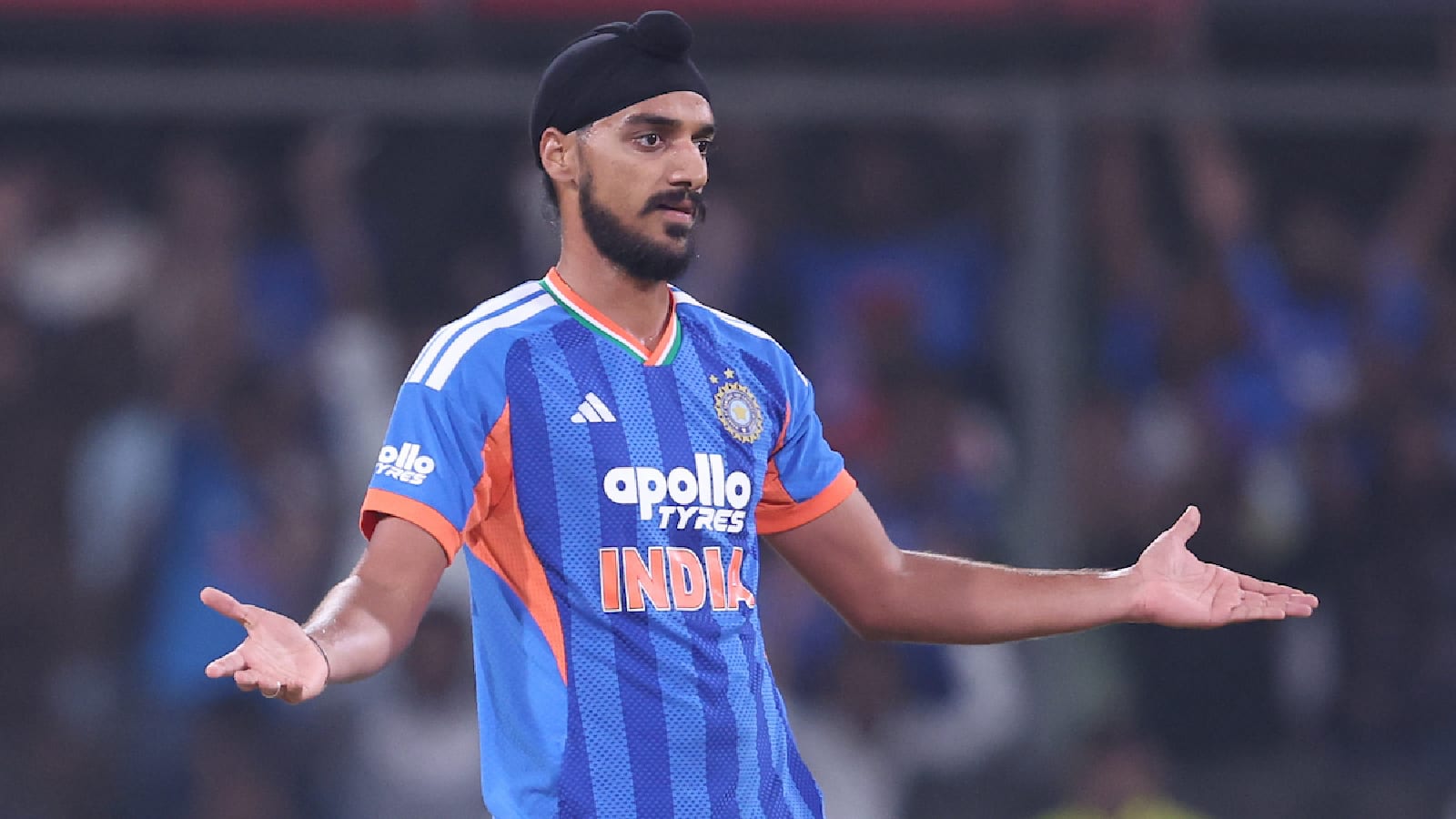
In a major IPL 2027 trade, Hardik Pandya has moved to Punjab Kings for Rs 18 crore, while left-arm pacer Arshdeep Singh joins Mumbai Indians. This high-profile swap aims to reshape both squads ahead of the upcoming retention deadline.
A Strategic Shift in IPL Dynamics: The Pandya-Arshdeep Swap
The landscape of the Indian Premier League (IPL) has undergone a seismic shift with the official announcement that Hardik Pandya has been traded from the Mumbai Indians (MI) to the Punjab Kings (PBKS). In a reciprocal move that highlights the evolving nature of franchise squad building, the five-time champions have acquired the services of elite left-arm seamer Arshdeep Singh. This blockbuster transaction, valued at Rs 18 crore for both players involved, marks one of the most significant player movements in the league’s history.
The Strategic Rationale for Mumbai Indians
For the Mumbai Indians, the acquisition of Arshdeep Singh is a tactical masterstroke designed to provide long-term stability to their pace battery. The MI think-tank has long been aware of Arshdeep’s prowess, particularly after his standout 4/29 spell at the Wankhede Stadium in 2023. By securing a bowler who can deliver high-pressure overs—evidenced by his ability to concede only two runs in a final over during a high-scoring encounter—Mumbai is clearly looking to pair him alongside Jasprit Bumrah to create a lethal dual-threat attack that can dominate the middle and death overs.
Hardik Pandya’s New Chapter in Punjab
Hardik Pandya, who rejoined Mumbai Indians in 2024 after a successful stint with the Gujarat Titans, now finds himself in Punjab red. With a salary increase to Rs 18 crore, Pandya brings significant leadership experience and all-round versatility to the Punjab Kings. As he transitions to this new environment, the focus will shift to whether he can rediscover his best form and provide the stability that Punjab has often sought in its quest for a maiden IPL title. This move also marks a departure from his tenure as MI captain, signaling a fresh start for both the player and the franchise.
Financial and Tactical Implications
From a financial perspective, the trade represents a significant investment for both parties. The IPL organizing committee confirmed that Pandya will earn Rs 18 crore at PBKS, up from his previous fee of Rs 16.35 crore, while Arshdeep moves to MI at his existing Rs 18 crore valuation. These figures underscore the premium placed on match-winners who can influence the outcome of games through either specialized bowling or all-round contribution.
Historical Context and Future Trends
Player trades of this magnitude are rare in the IPL, often occurring when franchises seek to balance their books or realign their core philosophy. Mumbai’s decision to move on from a captain they brought back just three seasons ago suggests a pivot toward a more balanced bowling-heavy strategy. Meanwhile, Punjab’s willingness to invest heavily in an established star like Pandya reflects an aggressive push for playoff success. As the 2027 retention deadline approaches, this trade sets a precedent for how top-tier franchises will prioritize roster flexibility over long-term loyalty.
Concluding Thoughts
Ultimately, this trade is a testament to the high-stakes nature of modern IPL management. Mumbai Indians gain a specialized left-arm weapon in Arshdeep Singh, potentially solving a long-standing need for variety in their attack. Conversely, Punjab Kings secure a high-profile leader in Hardik Pandya, hoping his experience will anchor their squad. As both teams prepare for the upcoming season, the success of this trade will be measured not just by individual performances, but by how effectively these marquee players integrate into their new tactical frameworks.
Multiple Citing Sources