After Ambala And Hansi, Haryana Police Braces For Protests In Khanauri
Source Entity
NDTV News Search Records Found 1000
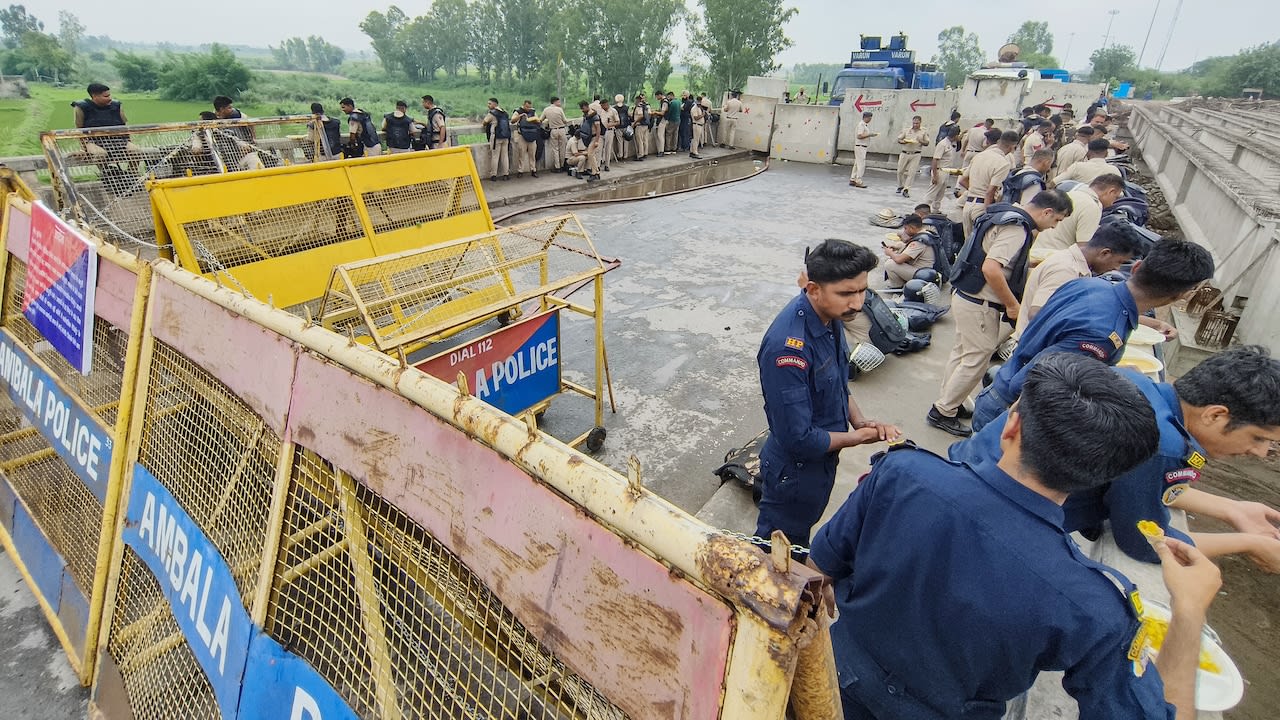
Haryana Police have sealed the Khanauri border to prevent farmers from marching toward Delhi. The protest, led by SKM (Non-Political), seeks a legal guarantee for MSP and opposes a potential India-US trade deal.
Escalation at the Punjab-Haryana Border: The Khanauri Standoff
The ongoing tensions between agricultural unions and state authorities have reached a critical juncture at the Khanauri-Data Singh Wala border. Haryana Police have implemented a strategic, multi-layer barricading system to prevent farmers, organized under the banner of the Samyukt Kisan Morcha (SKM) (Non-Political), from entering the state. This move follows similar precautionary measures taken in Ambala and Hansi, signaling a coordinated effort by state security forces to contain the movement of demonstrators before they can reach the national capital.
The Objectives of the 'Kisan Bachao Padyatra'
The current mobilization stems from a formal call for a 228-km 'Kisan Bachao Padyatra.' This march was intended to originate from Data Singh Wala village and conclude at Jantar Mantar in Delhi on August 29. The primary intent of the organizers is to stage a farmers' panchayat in the heart of Delhi to voice grievances regarding the current agricultural policy landscape. The scale of this march reflects the continued organizational capacity of farm unions to mobilize large numbers of protesters across state lines.
Core Demands and Policy Concerns
At the center of this agitation are two fundamental issues: the demand for a legal guarantee for the procurement of crops at the Minimum Support Price (MSP) and opposition to the proposed India-US trade deal. For many farmers, the MSP serves as a critical safety net against market volatility. The concern regarding the India-US trade deal suggests a broader apprehension among the farming community that international trade agreements may adversely affect local agricultural subsidies and domestic pricing structures.
Historical Context and Security Strategy
The decision to seal the border highlights the sensitivity of civil unrest in the region. By utilizing multi-layer barricading, the Haryana Police aim to preemptively neutralize the march's progress, likely drawing lessons from previous large-scale protests that disrupted transport and public order in the national capital region. This tactical approach underscores the state’s priority of maintaining law and order while navigating the volatile intersection of economic policy and public dissent.
Broader Implications and Future Trends
This standoff represents a wider struggle regarding the future of Indian agricultural policy. As the government navigates both international trade obligations and domestic demands for price protection, the friction between farmers and the state is likely to persist. Future trends suggest that until a consensus is reached on MSP legal frameworks, such protests will remain a recurring feature of the political landscape, testing the agility of both state administration and the agricultural sector’s advocacy efforts.
Verification Required?