Maggie Walz came to Michigan with $7, later founded a 1,000-person colony
Source Entity
TOI WORLD DESK
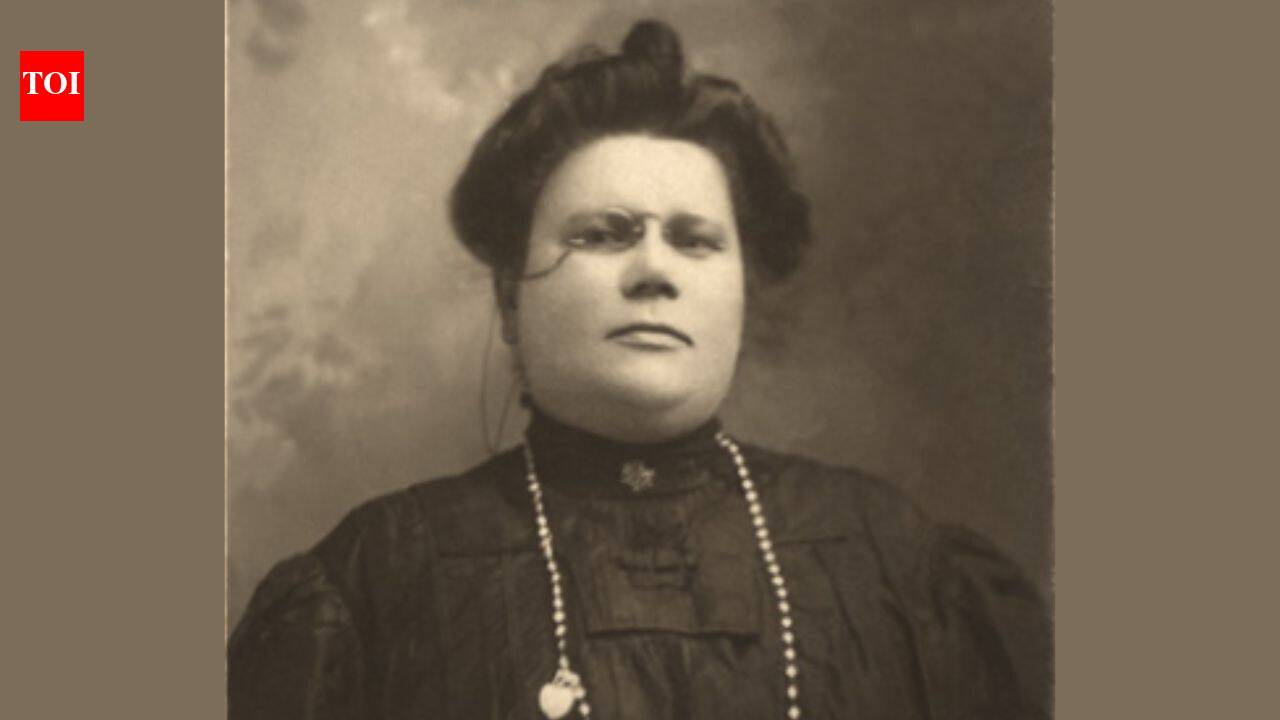
Maggie Walz, a Finnish immigrant who arrived in Michigan with only $7, rose from a domestic servant to a trailblazing entrepreneur. She founded a 1,000-person colony on Drummond Island and challenged gender norms of the late 19th century.
The Remarkable Rise of Maggie Walz: From Immigrant to Visionary
Born Margareeta Johanna Konttra Niiranen in 1861 in Tornio, Finland, Maggie Walz represents the quintessential story of American perseverance. Arriving in Michigan's Upper Peninsula at age 20 with a mere $7 to her name, she entered a rugged, industrial landscape as a stranger. Her initial role as a domestic servant provided a humble beginning, but her commitment to learning English through night school signaled an ambition that would eventually reshape the local community.
Breaking Barriers and Building Wealth
Walz’s transition from a servant to a pioneering entrepreneur marks a significant historical narrative of female empowerment in the late 19th century. By navigating the complexities of a cosmopolitan immigrant settlement, she managed to transcend the rigid socio-economic boundaries typically imposed on women of her era. Her ability to accumulate capital and influence allowed her to establish the 'Walz Block,' a physical testament to her business acumen and a personal signature on the urban landscape of her time.
Challenging Gender Norms
Beyond her commercial success, Walz was a catalyst for social change. She actively challenged the prevailing gender norms that sought to restrict women to domestic spheres, instead spearheading a women’s movement that prioritized economic independence and communal growth. Her work was not merely about individual accumulation; it was about creating institutional support for other women navigating the same difficult transition as immigrants in a new land.
The Drummond Island Colony
Perhaps her most ambitious endeavor was the founding of a 1,000-person colony on Drummond Island. This project showcased her capacity for leadership and organizational management, moving beyond local trade to large-scale community development. By organizing such a significant population, Walz provided a blueprint for immigrant integration, proving that a single individual with limited resources could foster a thriving, self-sustaining community.
A Legacy of Transformation
Over the course of four decades, Walz fundamentally shifted the perception of what immigrant women could achieve in the United States. Her legacy, documented by the National Park Service, serves as an essential case study in the power of individual agency. By evolving from a destitute newcomer into a colony founder, Maggie Walz remains a pivotal figure in the history of the Michigan Upper Peninsula, illustrating the profound impact of grit, education, and visionary leadership.