Hassett sees no 'excuse' to raise rates, says Warsh will push Fed to 'right answer'
Source Entity
US Top News and Analysis
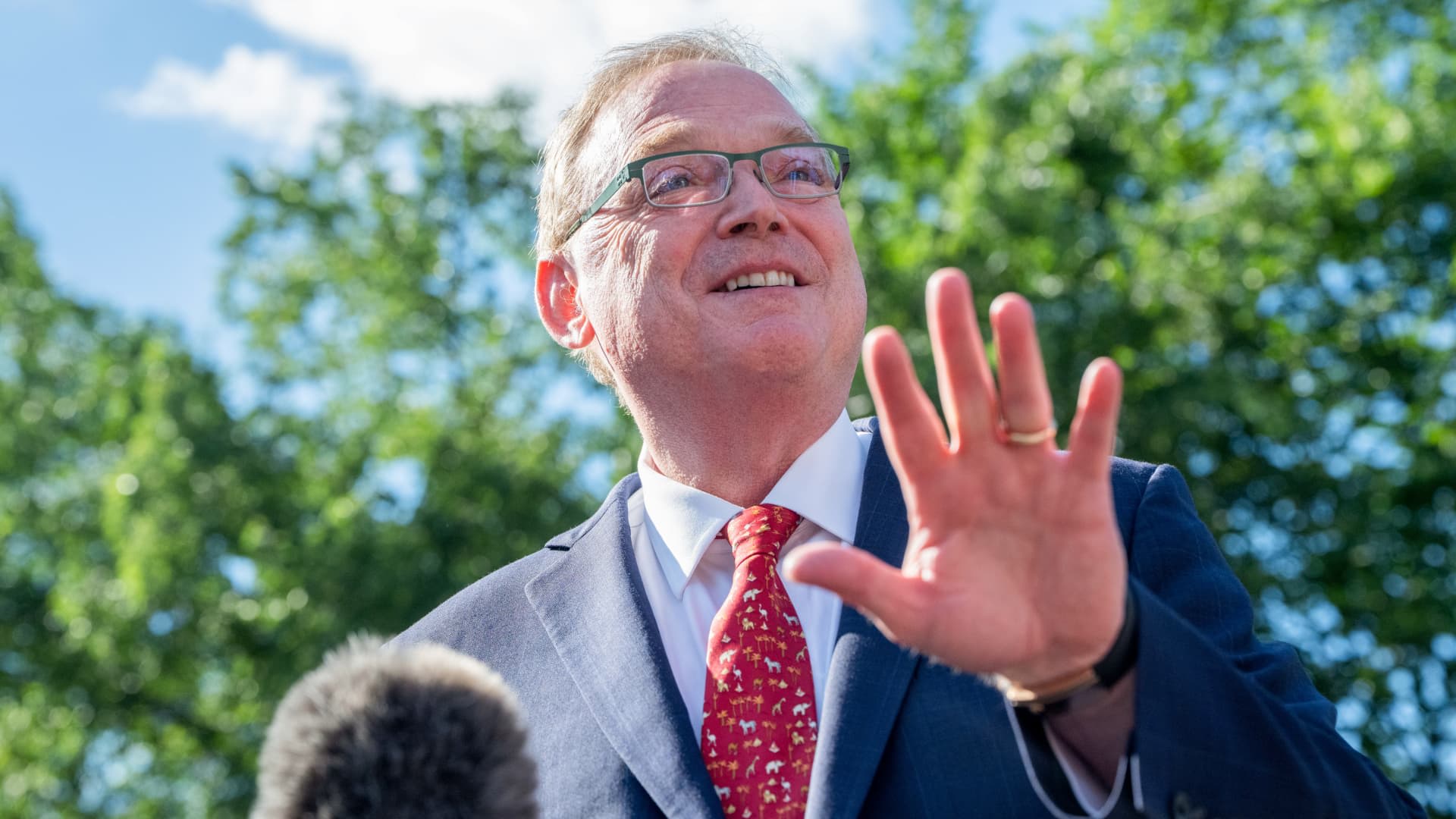
Former economic advisor Kevin Hassett asserts that lower-than-expected CPI data eliminates the justification for Federal Reserve rate hikes, attributing the economic trend to Donald Trump's policies and suggesting Kevin Warsh will guide the Fed toward the correct monetary decisions.
Analysis of Monetary Policy Pressures and the Role of Inflation Data
In a recent appearance on CNBC, Kevin Hassett sparked a significant conversation regarding the trajectory of U.S. monetary policy. By stating that there is no longer an "excuse" for the Federal Reserve to raise interest rates, Hassett is directly reacting to the latest Consumer Price Index (CPI) reading, which came in significantly lower than market expectations. This statement highlights the ongoing tension between political economic advisors and the Federal Reserve's independent mandate to maintain price stability and maximum sustainable employment.
The Significance of the CPI Reading
To understand Hassett's position, one must analyze the role of the Consumer Price Index (CPI) as a primary barometer for inflation. When CPI data arrives lower than expected, it suggests that the purchasing power of the dollar is stabilizing and that the inflationary pressures that typically drive the Fed to raise rates are receding. In the eyes of Hassett and other proponents of lower rates, this data serves as a green light for the Federal Reserve to either pause its tightening cycle or begin cutting rates to stimulate further economic growth. The "excuse" Hassett refers to is the Fed's traditional reliance on high inflation data to justify restrictive monetary policy.
Attributing Success to Executive Policy
Crucially, Hassett does not attribute this cooling of inflation to organic market forces alone, but specifically credits the policies of President Donald Trump. This perspective suggests that deregulation, tax reforms, and specific trade strategies implemented during the Trump administration created a supply-side efficiency that helped lower costs for consumers. By linking the CPI drop to specific political actions, Hassett is framing the current economic state as a victory of executive policy over traditional monetary management, arguing that the government's fiscal approach has done the heavy lifting in controlling inflation.
The Influence of Kevin Warsh
Hassett's mention of Kevin Warsh adds a strategic layer to his analysis. As a former member of the Federal Reserve Board of Governors, Warsh possesses the institutional credibility and deep understanding of the Fed's inner workings. Hassett’s confidence that Warsh will push the Fed toward the "right answer" implies a desire for a shift in the Federal Reserve's internal philosophy—moving away from a hawkish stance (raising rates to fight inflation) toward a more dovish approach (lower rates to support growth). This suggests a belief that personnel changes or the influence of specific figures can pivot the direction of the U.S. economy.
Broader Implications for Fed Independence
This discourse touches upon the perennial debate regarding the independence of the Federal Reserve. While the Fed is designed to operate without political interference to avoid short-term electoral cycles influencing long-term economic health, Hassett's public comments represent a form of external pressure. If the Fed is perceived as ignoring clear data (like a low CPI) in favor of a rigid policy path, it risks losing credibility. Conversely, if it pivots too quickly due to political pressure, it may risk a resurgence of inflation. The interplay between Hassett's public advocacy and the Fed's actual decision-making process will be a key indicator of the current administration's influence on monetary policy.
Conclusion and Future Outlook
Ultimately, the narrative presented by Hassett is one of alignment: aligning the Federal Reserve's interest rate decisions with the positive data provided by the CPI and the growth-oriented goals of the Trump administration. Moving forward, market participants will be watching closely to see if the Federal Reserve acknowledges this lower inflation data in its upcoming policy meetings. If Kevin Warsh or similar figures gain more influence within the monetary hierarchy, we may see a decisive shift toward lower interest rates, potentially sparking a new wave of investment and corporate expansion driven by cheaper borrowing costs.