Hegseth boasts about Maduro’s capture while vowing to deepen US military cooperation with Venezuela
Source Entity
Tom Phillips Latin America correspondent
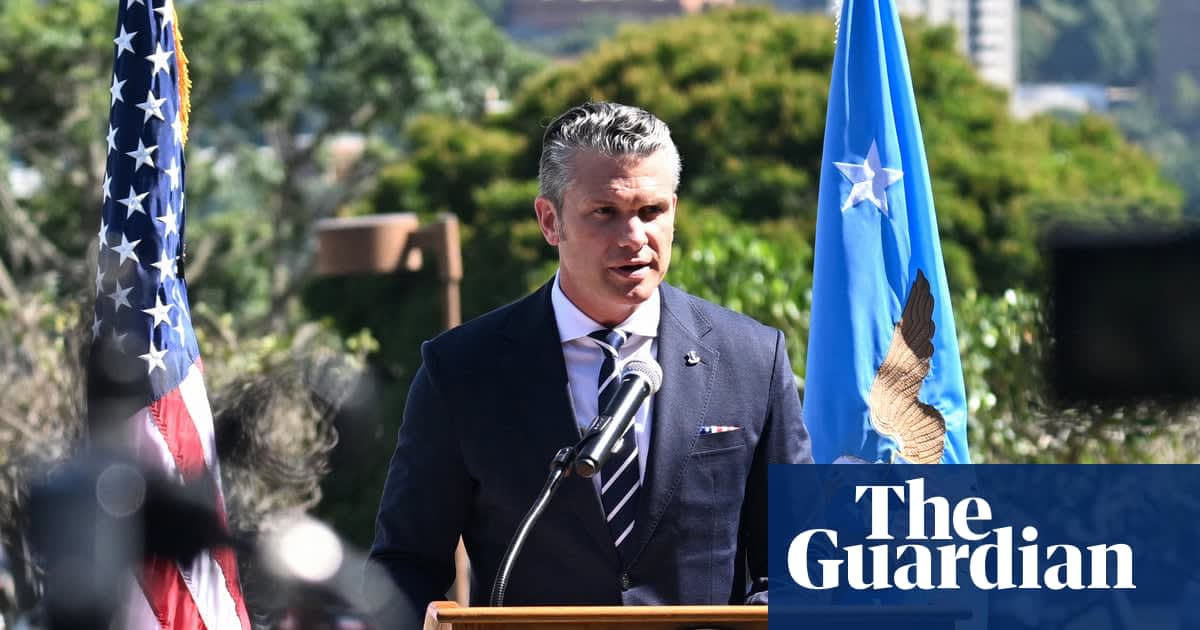
US Defense Secretary Pete Hegseth visited Caracas to formalize a new military partnership following the January capture of Nicolás Maduro by Delta Force. This historic shift signals a transformation of Venezuela from a regional adversary to a US security partner.
A New Era in US-Venezuela Relations
The recent visit of US Secretary of Defense Pete Hegseth to Caracas marks a seismic shift in Western Hemisphere geopolitics. Following the successful abduction of former President Nicolás Maduro by US Delta Force operatives on January 3, the long-standing hostility between Washington and the Chavista regime has been replaced by an improbable strategic rapprochement. Hegseth’s presence at the newly reopened US embassy serves as a potent symbol of this transition, signaling a departure from decades of diplomatic cold war.
The Operation: A Turning Point
The capture of Maduro is being framed by the current US administration as the most sophisticated military operation in the history of Latin America. By neutralizing the central figure of the regime that has held power since 1999, the United States effectively dismantled the primary obstacle to bilateral cooperation. This operation has not only altered the leadership landscape in Venezuela but has also recalibrated the regional security architecture, effectively removing what Washington previously identified as its most aggressive threat in the area.
Strategic Realignment and Military Cooperation
During his visit, Secretary Hegseth announced a formal agreement to revive military cooperation between the two nations. This partnership is set to include extensive training programs and intelligence sharing, effectively integrating Venezuelan defense capabilities into a broader US-led framework. By leveraging the expertise of the US military, the interim leadership in Venezuela is moving to standardize its security protocols, marking a complete reversal of the anti-imperialist rhetoric that defined the previous administration.
Diplomatic Implications and Regional Stability
The transition from an adversarial relationship to a "compliant security partner" carries significant weight for regional stability. For years, the political volatility in Venezuela served as a flashpoint for interventionist debates and continental tension. The current path toward cooperation suggests a desire for regional containment and the establishment of a unified security front, though questions remain regarding the long-term legitimacy and domestic acceptance of the interim leadership currently engaging with Washington.
Future Trends and Challenges
Looking ahead, the success of this partnership depends on the stability of the interim government and its ability to maintain control in a post-Maduro landscape. While the military cooperation agreement provides a foundation for security, the broader challenge lies in the socio-political integration of a country that has been isolated for nearly a quarter-century. The international community will be closely watching how this newfound alliance influences energy markets, migration patterns, and the eventual transition to permanent governance in Venezuela.
Conclusion
The visit of Pete Hegseth underscores a definitive end to the era of Chavismo as a hostile entity to the United States. While the tactical success of the Maduro capture was the catalyst, the ongoing efforts to deepen military ties represent a fundamental realignment of US foreign policy in Latin America. Whether this partnership can endure the complexities of Venezuelan internal politics remains the defining question for the coming years.
Multiple Citing Sources