Himachal high court strikes down state’s role in agri university V-C picks
Source Entity
Saurabh Parashar
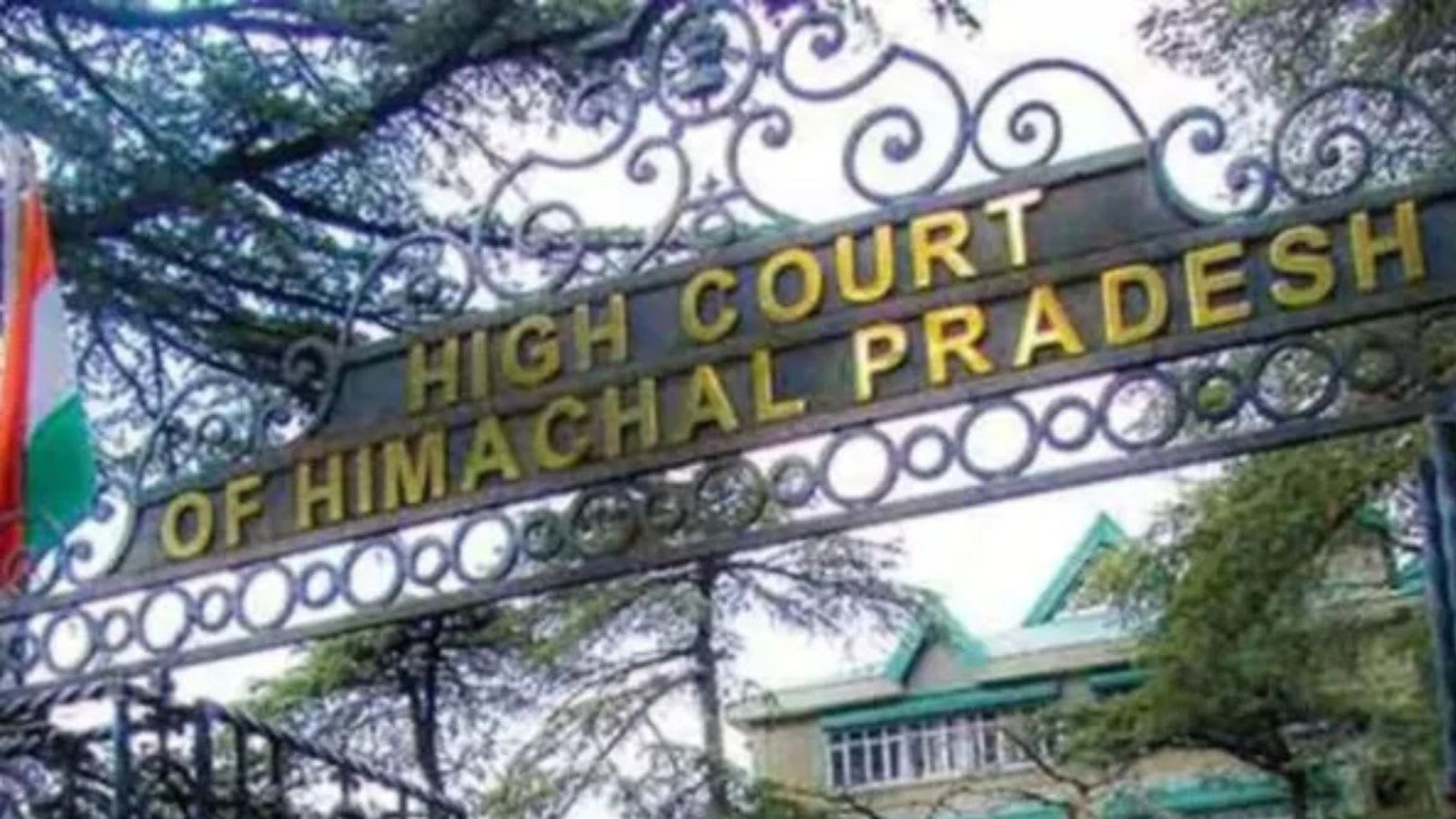
The Himachal Pradesh High Court has struck down state-level amendments that granted the government control over appointing agricultural university vice-chancellors. The court mandated that all future appointments must strictly adhere to University Grants Commission (UGC) regulations.
Judicial Intervention in Academic Governance
The Himachal Pradesh High Court recently delivered a landmark judgment regarding the autonomy of higher education institutions in the state. By striking down amendments to the Himachal Pradesh Universities of Agriculture, Horticulture and Forestry Act, 1986, the court has effectively curtailed the state government's direct influence over the selection of vice-chancellors (V-Cs). The division bench, comprising Justices Vivek Singh Thakur and Ranjan Sharma, ruled that the state's attempt to consolidate power in academic appointments was constitutionally infirm.
The Legal Basis of the Ruling
The petitions, filed by Narender Kumar Sankhyan and Sanjeev Kumar Chauhan, centered on the argument that state-level legislative changes undermined the established standards for academic leadership. The court specifically declared the 2025 amendment to the Act unconstitutional, emphasizing that the state cannot bypass national standards. By mandating that the selection process for the vice-chancellors of Chaudhary Sarwan Kumar Himachal Pradesh Krishi Vishvavidyalaya and the Dr. Y.S. Parmar University of Horticulture and Forestry must strictly follow University Grants Commission (UGC) norms, the judiciary has reasserted the supremacy of central regulatory frameworks in higher education.
Upholding Institutional Autonomy
This ruling serves as a critical check on the politicization of academic administrative roles. In India, the appointment of V-Cs is often a contentious issue, frequently caught between state-level political interests and the need for merit-based, autonomous academic leadership. The court’s decision ensures that the selection process remains insulated from executive overreach, thereby protecting the intellectual independence of agricultural research and forestry education in Himachal Pradesh.
Implications for Future Appointments
The court’s order for a fresh selection process signifies a reset for the leadership of the affected universities. By enforcing strict adherence to UGC guidelines, the judgment eliminates the discretionary power previously held by the state government, which had sought to play a 'decisive role' in these appointments. This move is likely to raise the bar for candidates, ensuring that appointees possess the requisite academic credentials and experience as defined by national regulatory bodies rather than political suitability.
Broader Impact on Education Policy
This judicial intervention highlights a growing trend of courts stepping in to protect the sanctity of university governance across India. As agricultural and horticultural sectors are vital to the economy of Himachal Pradesh, the quality of leadership at these institutions has profound implications for research output and agricultural innovation. By forcing compliance with UGC norms, the High Court has signaled that academic excellence must take precedence over political patronage, setting a precedent that could influence how other states structure their university appointment processes moving forward.