Why 6-state Kishau pact gives bragging rights to CM Sukhu before Himachal polls
Source Entity
Saurabh Parashar
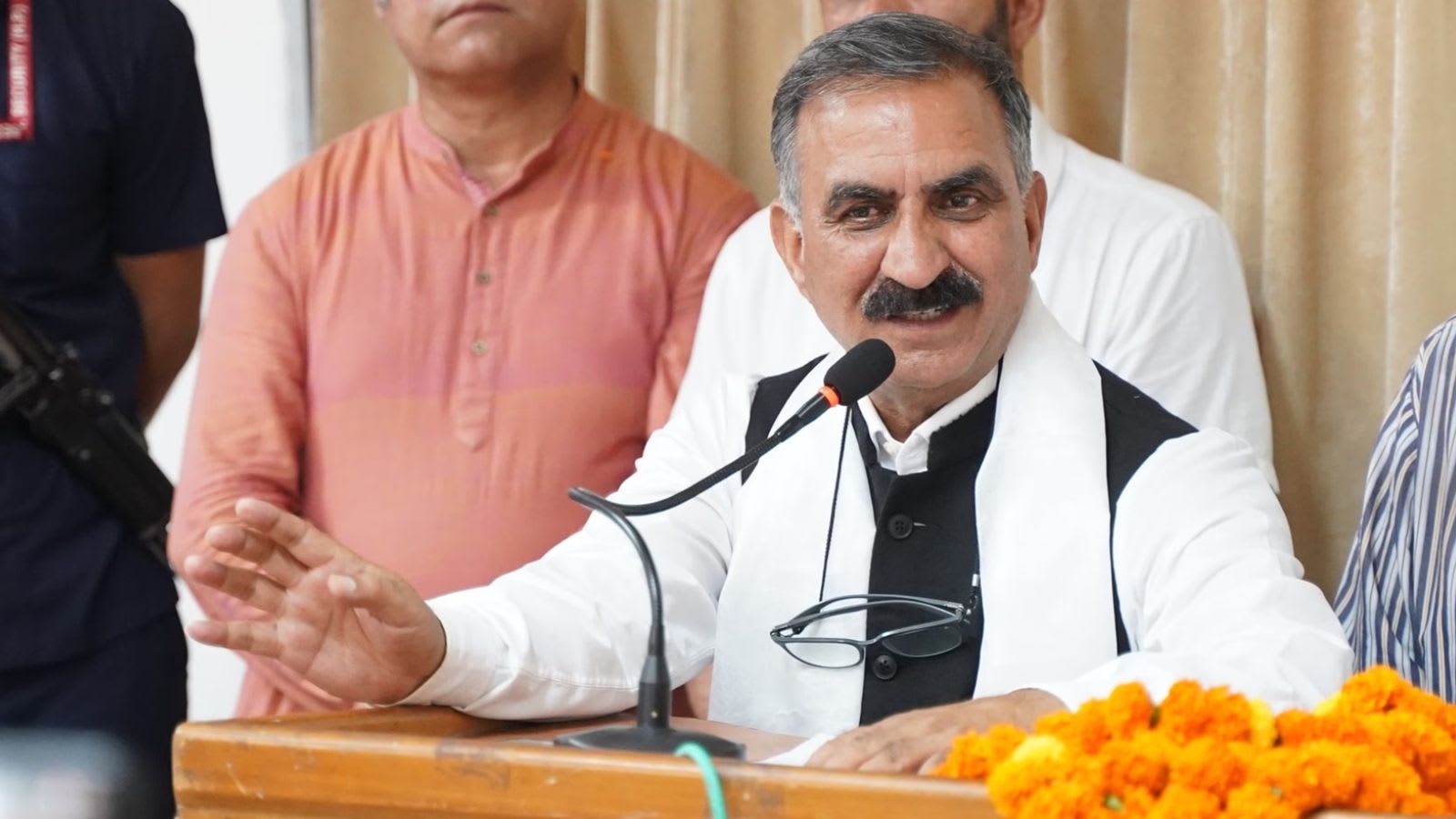
Himachal Pradesh CM Sukhvinder Singh Sukhu has secured a landmark agreement for the 422-MW Kishau dam and reclaimed the Dhaulasidh hydroelectric project. These moves are being positioned as major political victories to protect state interests ahead of upcoming polls.
Strengthening Himachal’s Energy Sovereignty
Himachal Pradesh Chief Minister Sukhvinder Singh Sukhu has recently solidified his administration's focus on state-led resource management through two significant developments: the signing of a six-state agreement for the 422-MW Kishau multipurpose dam and the reclamation of the 66-MW Dhaulasidh hydroelectric project. By positioning these moves as 'milestones' for regional development, the Chief Minister is signaling a shift toward assertive governance regarding state assets.
The Kishau Dam: A Diplomatic and Fiscal Win
The agreement regarding the Kishau multipurpose dam, signed on September 15, represents a complex negotiation between six states: Himachal Pradesh, Uttarakhand, Haryana, Rajasthan, Uttar Pradesh, and Delhi. The project, situated on the Tons River along the border of Himachal and Uttarakhand, has long been stalled by inter-state disputes over financing. CM Sukhu’s success in ensuring that Himachal Pradesh bears no financial burden for the Rs 15,624-crore investment is a significant fiscal achievement, allowing the state to reap infrastructure benefits without straining its debt-laden treasury.
Political Dynamics of the Kishau Pact
Politically, the Kishau agreement is highly symbolic. In a landscape where five of the six signatory states are governed by the BJP, Himachal Pradesh stands as the sole Congress-led participant. By successfully negotiating favorable terms within this coalition, the Sukhu government has effectively neutralized potential criticism regarding the state's influence in national projects. This 'bragging rights' aspect is crucial for the Congress party as it looks to solidify its standing before impending electoral challenges.
Reclaiming the Dhaulasidh Project
Parallel to the Kishau development, the government’s decision to reclaim the 66-MW Dhaulasidh project from SJVN Limited marks a aggressive pivot toward state-controlled energy management. By committing to pay Rs 800 crore to take back control of the project on the Beas River in Hamirpur, the Chief Minister is reinforcing his administration's commitment to protecting the state’s long-term rights over its natural resources, a move that resonates deeply with local constituencies.
Implications for Future Policy
The emphasis on the Dhaulasidh project, announced during a gathering in the Nadaun assembly constituency, highlights the strategic importance of energy projects in local political rhetoric. By asserting control, the state government aims to streamline project development and ensure that the economic benefits—such as employment and power generation—are more directly managed by the state. This strategy reflects a broader trend of regional leaders reclaiming autonomy over state-based infrastructure projects from central public sector units.
Conclusion
Collectively, these actions serve as a dual-pronged approach to policy: securing massive national infrastructure investment without local fiscal liability, and reclaiming existing assets to assert regional sovereignty. As Himachal Pradesh moves toward its next electoral cycle, these projects will likely serve as the cornerstone of the government's narrative, showcasing a leader who is capable of both navigating complex inter-state diplomacy and standing firm on the protection of state-held assets.
Multiple Citing Sources