Mark Carney hopes to redirect Canada’s economy around Donald Trump
Source Entity
Latest News: Todays Latest News Headlines from India & World | Hindustan Times | Hindustan Times
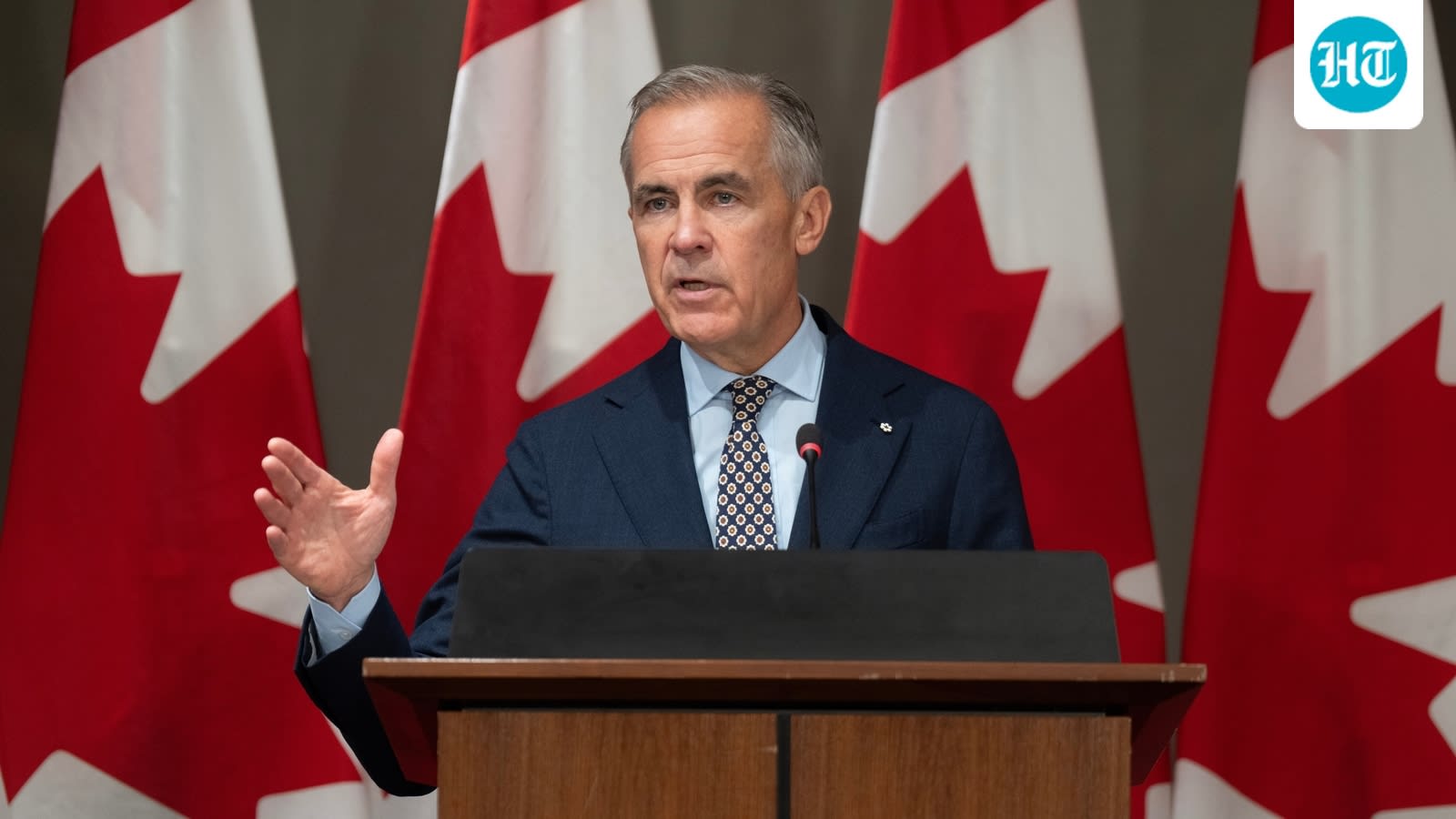
Prime Minister Mark Carney is navigating a tense economic landscape as Canada faces severe trade pressures from the United States under Donald Trump. By implementing counter-tariffs and diversifying diplomatic efforts, Carney seeks to insulate Canada's GDP from significant projected losses.
Navigating Economic Turbulence: Canada's Strategic Pivot
Canada currently finds itself in a precarious economic position, caught between its deep integration with the United States and the aggressive protectionist policies of the Trump administration. With 2.5 million jobs and approximately one-sixth of the national GDP tied directly to exports to the U.S., the Canadian economy is uniquely vulnerable to shifts in American trade policy. The current climate is defined by what can only be described as an intense trade war, which has forced Ottawa to reconsider the sustainability of its singular reliance on the North American market.
The Impact of Protectionism on Domestic Growth
The economic consequences of these trade tensions are already manifesting in tangible data. Projections from the Bank of Canada suggest that the ongoing friction with the U.S. could lead to a 1.5% reduction in GDP by the end of 2026. This forecast underscores the gravity of the situation; such a contraction represents a significant drag on Canadian prosperity, threatening to stall industrial growth and limit labor market expansion. The administration’s decision to engage in this conflict is a defensive move intended to signal that Canada will not accept unfavorable trade terms at the expense of its domestic stability.
Mark Carney's Diplomatic Counter-Offensive
Prime Minister Mark Carney has adopted a proactive, albeit risky, stance in response to these pressures. By rejecting a proposed American trade deal that was deemed detrimental to Canadian interests, Carney has asserted a degree of sovereign economic autonomy that deviates from traditional North American diplomatic norms. The implementation of counter-tariffs on September 8th serves as a direct retaliatory measure, illustrating the government's willingness to engage in a tit-for-tat trade escalation to protect local industries.
Diversification as a Long-term Strategy
Recognizing the danger of over-reliance on a volatile partner, the Canadian government is actively seeking to diversify its economic footprint. Carney’s recent high-level engagements across Europe and Asia represent a deliberate pivot in foreign policy. By strengthening trade ties in these regions, Canada aims to create a buffer against the whims of American protectionism, attempting to redistribute its export dependency away from the United States and toward more stable, global markets.
Future Trends and Economic Resilience
The road ahead remains uncertain. As Canada navigates this multifaceted trade conflict, the success of its economic strategy will depend on the effectiveness of its new international partnerships and the resilience of its domestic industries. While the short-term outlook is clouded by the threat of further trade barriers, the strategic diversification efforts spearheaded by Carney suggest a fundamental shift in how Canada approaches its foreign economic policy, prioritizing long-term security over immediate, but potentially fragile, trade comfort.
Verification Required?