'Look beyond image': Hindu seer's letter to Rahul, Priyanka over Shiva-Parvati post
Source Entity
AYUSH PANDEY
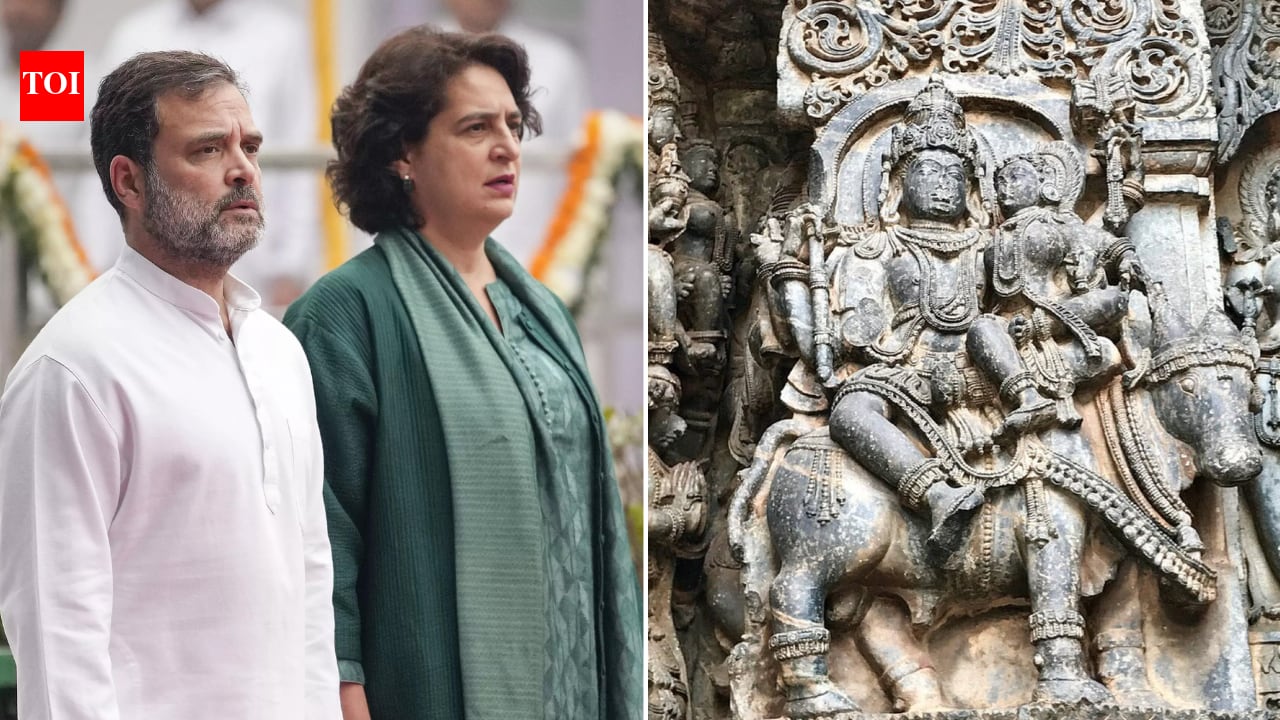
A Hindu seer has issued an open letter to Rahul and Priyanka Gandhi, urging them to look beyond the surface of a recent Shiva-Parvati image controversy. The letter calls for a deeper understanding of religious imagery amidst ongoing political discourse.
Examining the Call for Perspective in Political-Religious Discourse
Recent developments have brought a spotlight on the intersection of religious iconography and political communication in India. A Hindu seer has addressed an open letter to prominent opposition leaders Rahul Gandhi and Priyanka Gandhi Vadra, specifically concerning the public reaction to a post featuring Shiva-Parvati imagery. The core of this correspondence, titled 'Look beyond what an image shows,' serves as a plea for nuance in a climate where digital imagery frequently triggers intense socio-political debates.
The Intersection of Faith and Public Image
In the Indian political context, religious symbols and imagery are deeply embedded in the cultural fabric, often becoming flashpoints for controversy. When political figures engage with such imagery, the scrutiny is multifaceted. The seer's intervention suggests that the current discourse surrounding the Shiva-Parvati post may be reductive, failing to account for the broader philosophical or symbolic intent behind the content. By urging the Gandhis to 'look beyond' the literal interpretation, the seer advocates for a more sophisticated engagement with religious narratives that transcends superficial critique.
Analyzing the Political Implications
For leaders like Rahul and Priyanka Gandhi, navigating the terrain of religious sentiment is a high-stakes endeavor. The letter highlights the delicate balance these figures must maintain; they are often caught between modern secular political messaging and the deep-seated traditional values of the electorate. The seer’s letter acts as a mediator, suggesting that the misunderstanding of such images often stems from a lack of depth in the public discourse, which politicians are tasked with navigating carefully to avoid alienating or offending religious sentiments.
Historical Context and Digital Sensitivity
Historically, the use of deity imagery in political campaigns or social media outreach has been a double-edged sword. In the digital age, where social media posts are dissected for political subtext, the margin for error is slim. The seer’s appeal reflects a growing concern among religious leaders regarding how sacred symbols are repurposed in the secular political arena. This event underscores a broader trend where religious authorities are increasingly asserting their role in policing or interpreting the usage of divine imagery by public figures.
Future Trends in Political Communication
Looking ahead, this incident signals that political parties will need to adopt more rigorous vetting processes for their digital content. The demand for 'looking beyond the image' suggests that future engagement with religious themes will require a higher level of cultural and religious literacy. If political leaders fail to account for the symbolic weight of their posts, they risk continued friction with religious institutions, which could influence voter perception and the overall tone of political campaigns.
Conclusion: A Call for Intellectual Maturity
Ultimately, the open letter from the Hindu seer serves as a reminder of the gravity of religious representation in public life. It calls for an elevated level of dialogue, moving away from reactive outrage toward a more contemplative understanding of religious symbols. Whether this intervention leads to a shift in how political parties manage their digital presence remains to be seen, but it undoubtedly highlights the enduring power and complexity of religious imagery in the national consciousness.