'Have more babies': Leavitt to Americans as Muslims projected to outnumber Christians
Source Entity
SUBHADRA SRIVASTAVA
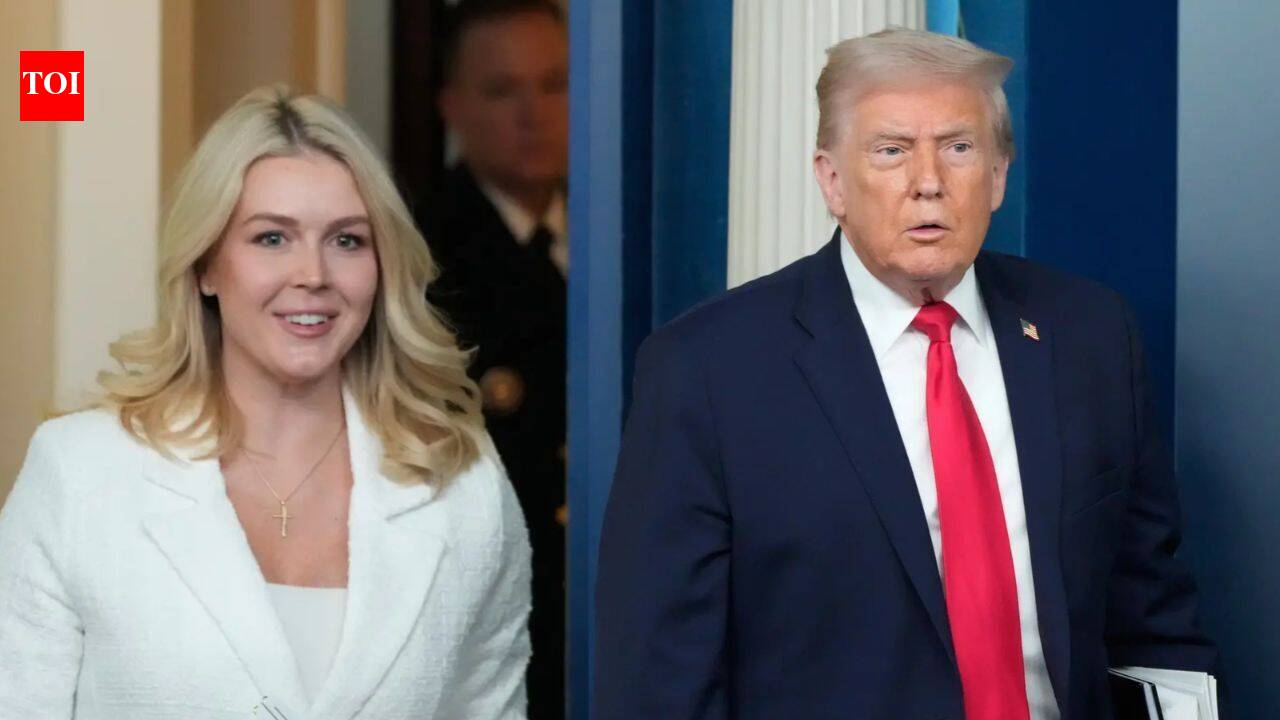
Former White House press secretary Karoline Leavitt has urged Christians to increase birth rates in response to Pew Research projections. The call follows reports suggesting Muslims could become the world's largest religious group by 2035.
The Intersection of Demographics and Public Discourse
Former White House press secretary Karoline Leavitt recently ignited a public conversation by urging Christians to prioritize marriage, child-rearing, and religious instruction. Her comments, shared on X, were a direct response to a report highlighting demographic projections by the Pew Research Center, which suggests that Muslims could potentially outnumber Christians as the world's largest religious group by 2035. By framing personal family decisions as a matter of cultural and national preservation, Leavitt has elevated demographic statistics into the realm of political and social advocacy.
Understanding the Demographic Projections
The core of this discourse rests on long-term population modeling conducted by the Pew Research Center. These projections are based on current fertility rates, age structures, and religious conversion patterns globally. When figures indicate a shift in the world's largest religious demographic, it often triggers widespread debate regarding the future of societal composition. For many, these numbers represent a fundamental change in the global landscape, prompting figures like Leavitt to advocate for specific behavioral shifts among their core constituents to address perceived demographic declines.
The Role of Political Figures in Cultural Advocacy
Leavitt’s transition from White House press secretary to a Fox News contributor has allowed her to maintain a prominent platform from which to influence conservative discourse. By explicitly linking the call for higher birth rates to the instruction to "teach them to love America," she is effectively merging religious identity with patriotic duty. This narrative strategy is designed to mobilize a specific demographic by creating a sense of urgency regarding the preservation of traditional American values in the face of changing global trends.
Societal Implications and Public Reaction
The public nature of this call has sparked significant discussion regarding the intersection of religion, politics, and private life. Critics often argue that demographic shifts are natural occurrences driven by complex socio-economic factors, while proponents view such calls as a necessary defense of cultural heritage. The debate highlights how statistical data can be repurposed to fit specific political agendas, often leading to polarized reactions across digital platforms where users engage in discussions about the future of religious and national identity.
Future Trends in Demographic Debates
As we look toward 2035, it is highly likely that demographic projections will continue to be a focal point for political debate. As religious and ethnic compositions evolve, public figures will increasingly use these data points to advocate for policy changes or social movements. The trend suggests that birth rates and religious identification will remain central to the conservative agenda, particularly as global demographics shift in ways that challenge existing power structures and cultural majorities. This event serves as a microcosm for the broader, ongoing tension between global demographic shifts and the desire to maintain local cultural continuity.